


 2026-10-21

 BEST
BestFPC is a medical flexible circuit board manufacturer in China, supplying custom FPCs for diagnostic equipment, patient monitoring systems, and other medical electronics. With over 20 years of manufacturing experience and an ISO 13485-certified quality management system, we support medical OEMs with precision FPC fabrication, material control, and quality inspection.
BestFPC manufactures single-sided, double-sided, and multilayer flexible PCBs, with customized polyimide materials, fine-line circuitry, and reinforced connection areas. Our services include free DFM reviews, flexible order quantities, and manufacturing support for international OEM customers.
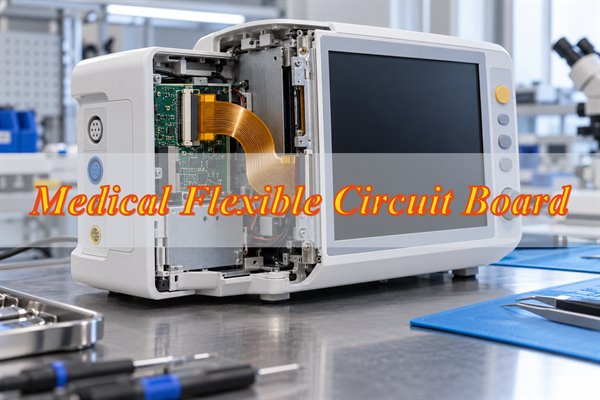
What Types of Medical Flexible Circuit Boards Can BestFPC Manufacture?
BestFPC manufactures three main types of medical flexible circuit boards, with different layer structures to accommodate circuit density, installation space, and connection requirements.
- Single-Sided Flexible PCB: A single copper circuit layer on a flexible substrate, suitable for medical sensors, monitoring modules, and simple internal connections.
- Double-Sided Flexible PCB: Two conductive layers provide more routing space for diagnostic instruments, patient monitors, and compact medical electronics.
- Multilayer Flexible PCB: Three or more conductive layers accommodate dense circuitry and complex signal routing in medical imaging and diagnostic equipment.
What Custom Manufacturing Capabilities Does BestFPC Offer?
BestFPC manufactures custom medical flexible circuit boards with thin polyimide substrates, fine-line circuitry, precise drilling, and reinforced connection areas. Our standard FPC manufacturing capabilities are listed below.
| Manufacturing Parameter | Standard Capability | Conditions / Options |
|---|---|---|
| Flex Layer Count | 1–4 layers | Standard all-flex construction |
| Finished Board Thickness | 0.06–0.60 mm | Depends on the approved stackup |
| Maximum Production Panel Size | 240 × 1,100 mm | Standard FPC process |
| Inner-Layer Line Width / Spacing | 3/3 mil (0.076/0.076 mm) | 18 μm finished copper, before compensation |
| Outer-Layer Line Width / Spacing | 3.5/3.5 mil (0.089/0.089 mm) | 18 μm finished copper, before compensation |
| Line Width / Spacing at 35 μm Copper | 4/4 mil (0.102/0.102 mm) | Inner and outer layers, before compensation |
| Minimum Mechanical Drill Diameter | 0.15 mm | Board thickness ≤1.6 mm |
| Adhesive PI Core Thickness | 0.5, 1, 2 mil | Standard material options |
| Adhesiveless PI Core Thickness | 0.5, 1, 2, 3 mil | Standard material options |
| Copper Foil Options | 0.33, 0.5, 1 oz | Up to 2 oz with selected adhesiveless materials |
| PI Stiffener Thickness | 3, 5, 7, 9 mil | Connector and mounting reinforcement |
| Surface Finish | ENIG, Gold Plating, OSP, Tin Plating | Depends on contact and assembly requirements |
| Controlled Impedance Tolerance | ±10% | Subject to approved stackup and impedance requirements |
Nonstandard constructions, special materials, and tighter tolerances require individual manufacturing review. BestFPC's free DFM service covers stackup feasibility, bend areas, coverlay openings, connector contacts, and stiffener placement before fabrication.
How Does BestFPC Ensure Medical Flexible PCB Quality and Reliability?
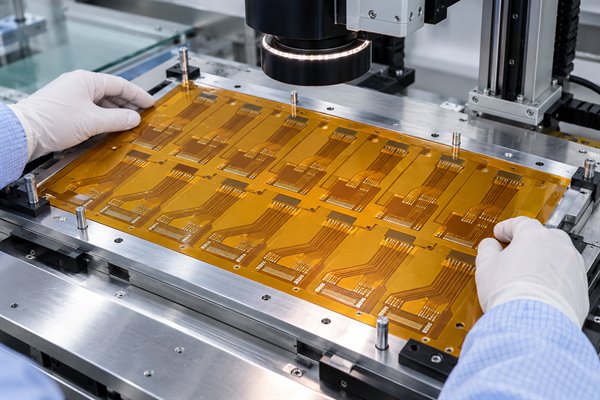
BestFPC follows ISO 13485 quality management requirements and applies material verification, in-process inspection, and electrical testing to medical flexible PCB production. Manufacturing and inspection are carried out against approved drawings and customer-defined acceptance criteria.
- Material Verification: Check polyimide laminates, copper foil, coverlay, and adhesives against approved specifications.
- Process Control: Inspect circuit formation, drilling, plating, coverlay alignment, and reinforcement placement.
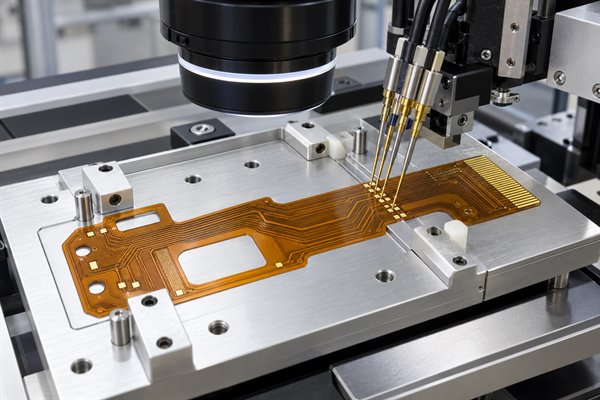
- Automated Optical Inspection (AOI): Identify missing conductors, unintended shorts, and other detectable circuit-pattern defects.
- Electrical Testing: Verify circuit continuity and isolation against the approved electrical test requirements.
- Dimensional Inspection: Check board outlines, hole positions, connector contacts, and stiffener placement.
- Reliability Testing: Perform specified bending or environmental tests using agreed test conditions and acceptance criteria.
- Quality Documentation: Maintain applicable manufacturing and inspection records, with supporting documentation available according to project requirements.
ISO 13485:2016 certification covers the applicable quality management system, not individual PCBs as certified medical devices. BestFPC can provide certification information and relevant quality documentation for customer supplier qualification.
What Affects Medical Flexible Circuit Board Cost and Lead Time?
The main factors affecting medical flexible circuit board pricing and lead time are layer count, materials, circuit complexity, order quantity, and testing requirements.
| Factor | Cost Impact | Lead Time Impact |
|---|---|---|
| Layer Count | Additional layers increase processing and inspection requirements | More fabrication and lamination operations |
| Material Selection | Specialized PI laminates and copper materials may cost more | Nonstandard materials may require additional procurement time |
| Circuit Complexity | Fine traces and tight tolerances require greater process control | Additional engineering and manufacturing review |
| Board Size and Shape | Irregular outlines may reduce panel utilization | Complex profiling may require additional processing |
| Surface Finish | Different finishing processes affect manufacturing cost | Specialized finishes may add processing steps |
| Coverlay and Stiffeners | More openings and reinforcement areas increase processing requirements | Additional preparation, alignment, and lamination |
| Order Quantity | Setup and tooling costs are distributed across the order quantity | Production scheduling depends on batch size |
| Testing Requirements | Additional qualification testing and documentation increase cost | Testing and customer approvals may extend completion time |
For international orders, confirm the factory completion date and shipping schedule separately. The final quotation should reflect the approved manufacturing specifications, required quantity, testing scope, and delivery destination.
Why Choose BestFPC as Your Medical Flexible Circuit Board Manufacturer in China?
BestFPC gives medical OEM customers direct access to a China-based FPC manufacturer, with custom fabrication, free DFM reviews, and flexible production quantities.
- 20+ Years of FPC Manufacturing Experience: Work with a manufacturing team experienced in thin polyimide materials, fine-line circuits, custom outlines, and complex flexible constructions.
- Direct Factory Communication: Confirm material availability, manufacturing feasibility, critical tolerances, and order requirements directly with the production team.
- Free DFM Review: Identify potential fabrication problems before production, particularly around bend areas, conductor spacing, coverlay openings, and connector dimensions.
- No Minimum Order Quantity: Order a prototype, small batch, or production quantity according to your project requirements, subject to material availability and manufacturing feasibility.
- Custom Fabrication and Assembly Support: Source bare FPCs and coordinate applicable assembly requirements through one manufacturing partner.
- Quality Records for Supplier Approval: Request applicable certification documents, inspection requirements, and supporting records for medical OEM purchasing reviews.
Case Study: 2-Layer Flexible PCB for Medical Diagnostic Equipment
BestFPC provides 2-layer flexible PCBs for medical diagnostic testing equipment and has supplied FPCs for point-of-care and rapid PCR testing applications. These products require compact circuitry, suitable polyimide materials, and accurate electrical connections.
Project Background Medical diagnostic equipment uses flexible circuits to connect sensors, control modules, and other electronic components within confined spaces. A double-sided FPC provides additional routing space while allowing the circuit to fit around the equipment's internal structure.
Project Requirements and Challenges
- Compact Construction: Finished board thickness options of 0.10–0.44 mm support different installation requirements.
- Fine-Line Circuitry: Closely spaced conductors require controlled etching and accurate circuit-pattern formation.
- Reliable Interconnections: Plated through-holes and connector contact areas must meet the specified electrical and dimensional requirements.
- Material Compatibility: Polyimide film, copper thickness, and any reinforcement must match the required mechanical construction.
Our Solution
BestFPC offers custom 2-layer polyimide FPC fabrication based on the customer's approved manufacturing files and material specifications.
- Material and Stackup Review: Confirm PI thickness, copper weight, finished board thickness, and required layer construction.
- Precision Circuit Fabrication: Manufacture double-sided circuitry and plated interconnections according to the approved Gerber and drill files.
- Connection Area Processing: Control coverlay openings, contact geometry, surface finish, and specified stiffeners.
- Quality Verification: Inspect circuit patterns and critical dimensions, followed by electrical continuity and isolation testing against the agreed requirements.
Project Results BestFPC has supplied flexible circuits for medical diagnostic testing systems, including point-of-care and rapid PCR equipment. Its published 2-layer medical FPC product supports 0.10–0.44 mm finished board thickness and multiple polyimide and copper options for different equipment configurations.
For similar medical OEM projects, the final construction, dimensional acceptance, and required qualification testing are confirmed against the customer's approved manufacturing specifications.
What Information Is Required for a Medical Flexible PCB Quote?
Send BestFPC your Gerber files, fabrication specifications, and order quantity to receive an accurate quotation for custom medical flexible circuit board manufacturing.
- Gerber and Drill Files: Copper layers, drill data, coverlay openings, and board outlines.
- Fabrication Drawing: Finished dimensions, thickness, critical tolerances, and special manufacturing requirements.
- Material Specifications: PI laminate, copper weight, layer stackup, and surface finish.
- Mechanical Requirements: Bend radius, connector dimensions, stiffener placement, and installation restrictions.
- Order Details: Required quantity, delivery destination, and target schedule.
- Quality Requirements: Applicable acceptance standards, inspection documentation, and additional testing requirements.
Email your files to sales@bestfpc.com for a free DFM review and custom FPC manufacturing quotation.
FAQs About Medical Flexible Circuit Boards
Q1: Can a medical flexible PCB connect directly to a ZIF connector?
A1: Yes. The FPC contact pitch, insertion thickness, exposed contact length, and reinforcement must match the connector specification. Connector compatibility should be verified before fabrication.
Q2: Is rolled annealed copper better for repeated bending?
A2: Rolled annealed (RA) copper is often preferred for dynamic bending applications. However, bending durability also depends on copper thickness, conductor geometry, stackup, bend radius, and operating cycles.
Q3: Should a medical FPC use polyimide coverlay or flexible solder mask?
A3: Polyimide coverlay is generally preferred in repeated bending areas. Flexible solder mask can be suitable for selected constructions, depending on the required bending performance.
Q4: Can medical flexible PCBs use hard gold on connector contacts?
A4: Yes. Hard gold plating is suitable for contacts requiring repeated mating cycles. Gold thickness, underlying nickel, and contact geometry must meet the connector requirements.
Q5: Can a medical FPC carry controlled-impedance signals?
A5: Yes. Controlled impedance requires an approved stackup, suitable dielectric materials, defined conductor dimensions, and appropriate reference conductors.
Q6: Can medical flexible PCBs be supplied in panels for automated assembly?
A6: Yes. Panelization can support automated handling and assembly. Tooling holes, panel support, and separation methods must be suitable for the flexible construction.
Q7: Can a flexible PCB have reinforced mounting areas without becoming a rigid-flex PCB?
A7: Yes. PI or FR4 stiffeners can reinforce selected sections of an FPC. Adding local reinforcement does not automatically make the construction a rigid-flex PCB.
Q8: Is IPC-6013 Class 3 mandatory for every medical flexible PCB?
A8: No. The required acceptance class depends on the application, reliability requirements, and customer specifications. It should be agreed before manufacturing.
Q9: Can medical flexible PCBs withstand sterilization processes?
A9: Compatibility depends on the complete material construction, surface finish, sterilization method, and exposure conditions. Sterilization compatibility must be validated for the intended application.
Q10: How are exposed FPC contacts protected during shipping?
A10: Contacts can be protected with suitable packaging, separators, and handling controls to prevent scratching, contamination, and ESD-related damage where applicable.
Conclusion
BestFPC is a medical flexible circuit board manufacturer in China, providing custom FPC fabrication, free DFM reviews, and quality-controlled production under an ISO 13485-certified management system. Our manufacturing services support medical OEM projects requiring precise circuitry, controlled materials, and reliable electrical interconnections.
Need custom medical flexible circuit boards for your next project? Send your Gerber files, specifications, and order quantity to sales@bestfpc.com. BestFPC will review your requirements and prepare a tailored manufacturing quotation.


.png)
.png)
.png)
.png)

.png)