


 2025-12-03
 BEST
BEST
When I make Flexible Printed Circuit Boards (FPCs), I look at many cost factors that change my design choices:
- Material selection
- Layer count
- Board size and shape
- Design complexity
- Manufacturing processes
These things help me decide what to do. They also change how much money the project needs and how well the product works.
I always try to keep cost, performance, and reliability even. This way, my design does not have costly problems. It also helps my project work well for a long time.
Key Takeaways
- Pick your materials carefully. Use polyimide if you need heat resistance. Choose cheaper materials if heat is not a problem.
- Try to use fewer layers in your design. Use one layer for easy jobs. Add more layers only if you need extra strength.
- Make the size and shape better. Keep boards small. Use regular shapes to save money and make building easier.
- Make your design simple. Do not use sharp bends or tricky layouts. This helps lower costs and stops mistakes.
- Talk to manufacturers early. Share what you need in your design. This helps find ways to save money and skip things you do not need.
Cost Drivers for Flexible Printed Circuit Boards (FPCs)
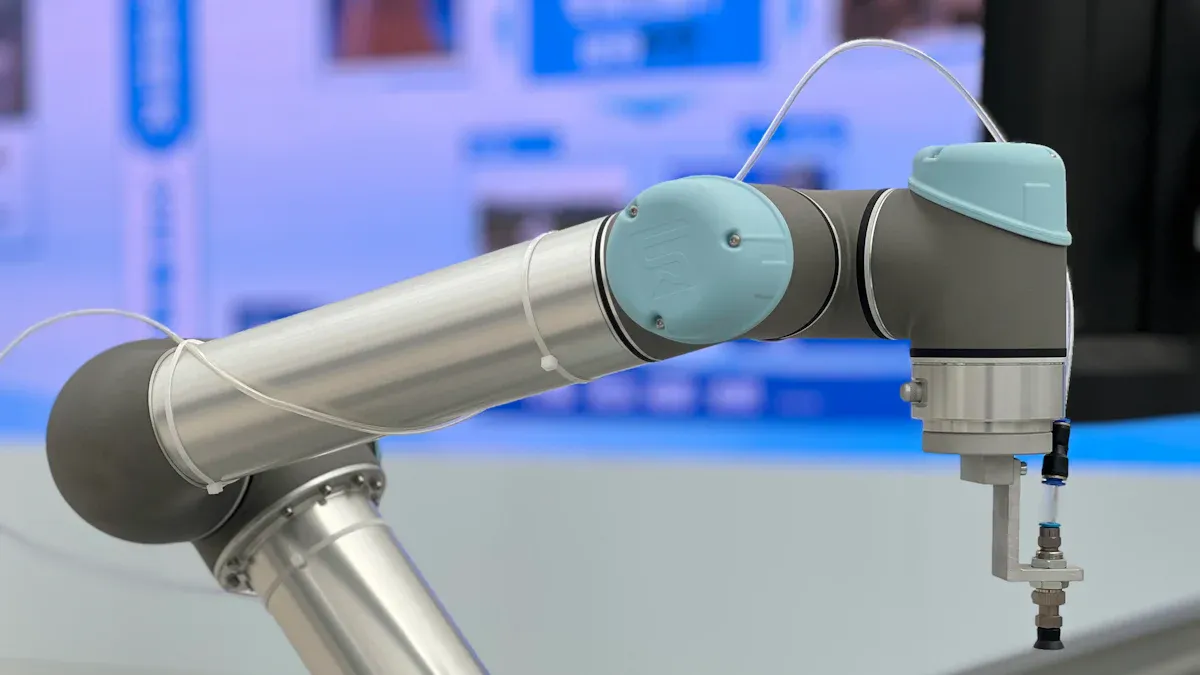
Material Choices for Flex PCB
When I pick materials for flexible printed circuit boards (fpcs), I see that prices can change fast. Polyimide is used most because it stays strong in heat and lasts long. Cheaper materials can make the board less reliable and not last as long. Copper thickness is important too. Thicker copper costs more, but it lets more current flow and works better.
Tip: I always pick materials that fit my design’s needs. If my project does not need to handle high heat, I use regular polyimide to save money. I do not choose fancy materials if I do not need them.
Layer Count and Structure
The number of layers in a flexible pcb changes the price a lot. Boards with one layer are simple and cost less. Boards with two or more layers cost more because they use more stuff and are harder to make. More layers make the board stronger and last longer, which is good for tough jobs.
- Single-layer: Cheaper, easy to make, not as strong.
- Double-layer: Costs a bit more, works better, more reliable.
- Multi-layer: Most expensive, very strong, hard to make.
I use polyimide film to help the board handle heat and last longer. If my board needs to be extra strong, I add more layers, but only if I really need to.
Note: I try to use just enough layers for the job. If my board will bend a lot or be in rough places, I add layers to make it stronger. If not, I keep it simple to save money.
Size, Shape, and Thickness
The size and shape of a flexible printed circuit board change the price. Bigger boards need more material and take more time to make. Odd shapes or sharp curves need special tools, which cost more. Thickness matters too. Thicker boards are stronger but cost more.
| Factor | Impact on Price | My Strategy |
|---|---|---|
| Size | Higher | Use all space well |
| Shape | Higher | Pick normal shapes if I can |
| Thickness | Higher | Only use thick boards if needed |
I always try to use space well in my designs. I do not make the board thicker unless I really need to.
Design Complexity and Bending
If my design has lots of lines, tight bends, or tiny parts, it costs more. More complex boards take longer to make and can have more mistakes. If my board needs to bend a lot, I use wider lines and smooth curves so it does not crack.
Tip: I make my design simple when I can. I use soft bends and do not use sharp corners. This makes the board easier to make and costs less. I also check if I can use normal parts to save money.
Manufacturing and Handling
Making flexible printed circuit boards (fpcs) is harder than making stiff boards. Handling flexible pcbs needs special care so they do not break. Things like laser cutting, checking with machines, and careful gluing make the price go up.
- Automated inspection: Checks for mistakes, costs more.
- Laser cutting: Needed for tricky shapes, adds cost.
- Special handling: Stops damage, needs skilled workers.
I talk with my maker to know which steps my board really needs. I skip extra steps and pick makers who know how to make flexible pcbs.
Note: Talking early with the maker helps me find ways to save money. I ask about normal steps and do not add special ones unless I need them.
Application Factors
Industry and Component Needs
When I work on flexible PCBs, I always look at the industry and the parts I need to use. Each industry has its own rules and needs. Medical devices need high reliability and strict testing. Automotive projects need strong boards that can handle heat and vibration. Consumer electronics want thin, light boards for small gadgets.
I match my design to the industry. For medical or aerospace, I use more layers and better materials. This makes the board cost more, but it keeps the product safe and working. For simple gadgets, I use fewer layers and basic materials. This helps me keep the cost low.
Some parts need special footprints or shapes. If I use odd-shaped parts, I must change my design. This can make the board harder to build and raise the price. I always check if I can use standard parts to keep my design simple and save money.
Tip: I talk to my team about the industry needs before I start my design. This helps me pick the right materials and layout from the start.
Order Quantity and Customization
Order size changes the price a lot. If I order just a few boards, the price for each one goes up. Large orders let me spread setup costs over many boards, so each board costs less. I plan my design and order size together to get the best price.
Customization also affects cost. If I want special shapes, colors, or features, the price goes up. Custom stiffeners, unique finishes, or odd sizes all add to the cost. I ask myself if each custom feature is needed for my design. If not, I keep things standard.
| Factor | Cost Impact | My Approach |
|---|---|---|
| Small orders | Higher per unit | Combine orders if possible |
| Custom features | Higher | Use only when needed |
I always balance my design needs with my budget. I look for ways to use standard options and larger orders to keep costs down.
Additional Features
Stiffeners and Support
I sometimes add stiffeners to my flexible PCB designs for extra help. Stiffeners keep the board flat and make it easier to hold during assembly. They also protect spots where connectors or parts are placed. Adding stiffeners costs more because they use extra materials like FR4 or stainless steel. It also takes more time to put them on.
Tip: I only add stiffeners where I really need them, like under connectors or heavy parts. This keeps my board strong but does not make it too expensive.
Coverlays and Finishes
Coverlays protect the copper lines on my flexible PCBs. They keep the board safe from water, dust, and scratches. I use coverlays when my design needs to bend or move a lot. Special finishes, like gold or tin, stop rust and help with soldering. These things cost more, but they make the board last longer.
| Feature | Purpose | Cost Impact |
|---|---|---|
| Coverlay | Protects traces | Moderate |
| Gold finish | Prevents corrosion | Higher |
| Tin finish | Eases soldering | Moderate |
I always think about the good and bad sides of flexible pcb when I look at these extra features. If my board will be in tough places, I add coverlays and finishes. For easy jobs, I might skip them to save money.
Storage and Packaging
Good storage and packaging keep my flexible PCBs safe when shipping and before assembly. I use anti-static bags, moisture barriers, or special trays for boards that need more care. These choices cost more, but they stop damage and lower waste.
Note: I use simple packaging for normal boards. For expensive or sensitive boards, I pay more for better protection.
I have learned that the bad sides of flexible pcb show up when I skip these extra features. Boards can crack, rust, or stop working early. I always pick what my project needs to keep cost and reliability balanced.
Cost vs. Performance Trade-Offs
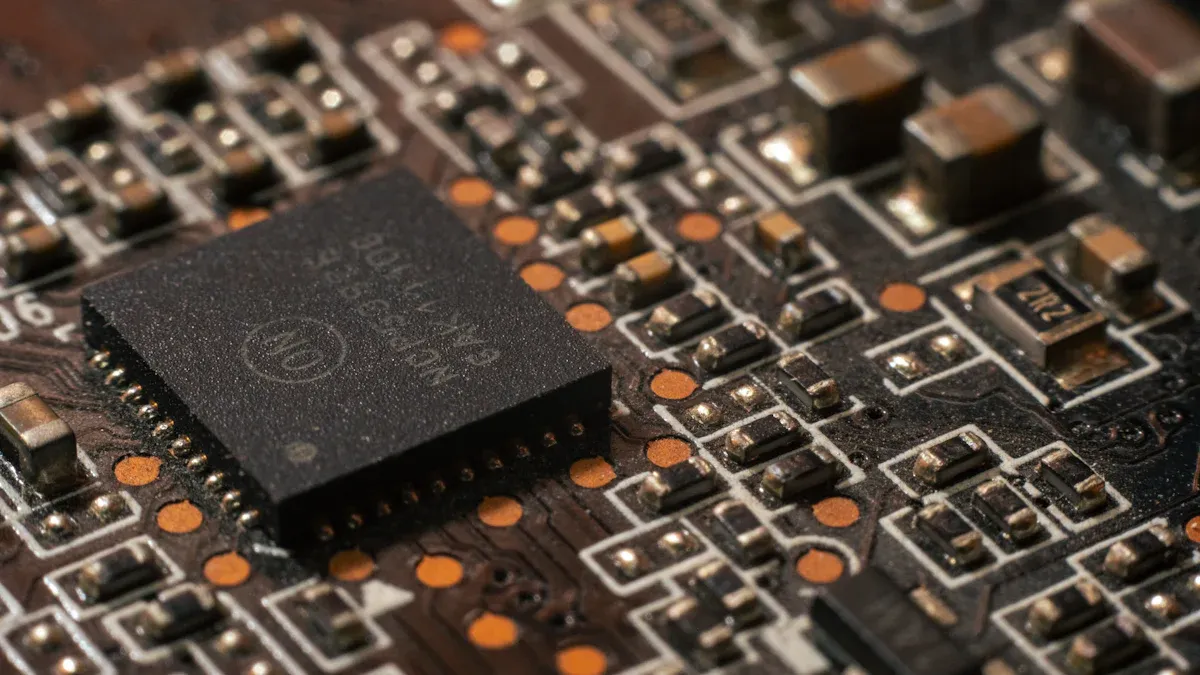
Choosing Flex PCB vs. Rigid PCB
When I start a new project, I always weigh the benefits and drawbacks of flexible PCBs against rigid PCBs. Flexible PCBs usually cost more, but they offer unique advantages that can make a big difference in my design. Here are the main trade-offs I consider:
- Flexible PCBs save space and reduce weight, which helps when I need a compact or lightweight design.
- They provide high reliability, especially in products that move or bend often.
- Rigid PCBs cost less and work well for simple layouts or when the board does not need to flex.
- Flexible PCBs become essential in high-demand applications where performance and efficiency matter most.
I look at the needs of my design before I choose. If my project needs to fit into a tight space or must handle bending, I pick a flexible PCB. If my design stays flat and does not move, I often use a rigid PCB to save money.
Tip: I always match the board type to my design’s needs. This helps me get the best cost performance for my project.
Design and Budget Compromises
Every project forces me to make choices between features and cost. I want the best design, but I also have to stay within budget. Here is how I handle these trade-offs:
- I list the most important needs for my design, like flexibility, size, and reliability.
- I check which features add the most cost and see if I can simplify the design.
- I talk with my team and the manufacturer early to find ways to save money without losing quality.
| Compromise | Impact on Design | My Approach |
|---|---|---|
| Fewer layers | Lower cost | Use only what I need |
| Standard shapes | Easier to produce | Avoid odd shapes |
| Basic finishes | Lower cost | Use special finishes only if needed |
I always remember that the best design balances cost, performance, and reliability. I do not add features unless they help my project work better or last longer. By making smart choices, I keep my design strong and my costs under control.
I find that material choice, layer count, board size, and extra features drive most flexible PCB costs. Smart design decisions help me balance price, performance, and reliability. I always talk with manufacturers early to find cost-saving options. I review my project needs often to keep my designs sharp. If you have questions or want a quote, send me an email or use the contact form on this site. I am ready to help you with your next project!


.png)
.png)
.png)
.png)

.png)