


 2026-10-22

 BEST
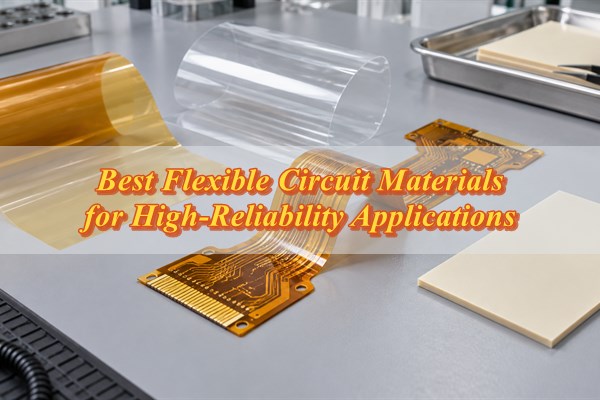
Polyimide (PI) and liquid crystal polymer (LCP) are among the best flexible circuit materials for high-reliability applications. PI offers an excellent balance of thermal stability, mechanical durability, and manufacturing compatibility, while LCP is particularly suitable for high-frequency circuits exposed to moisture.
The right choice depends on how the circuit will operate. High temperatures, repeated bending, humidity, and signal frequency place different demands on flexible circuit materials. Selecting the appropriate substrate and laminate construction helps prevent premature failure and maintain long-term performance.
Which Flexible Circuit Materials Offer the Best Reliability?
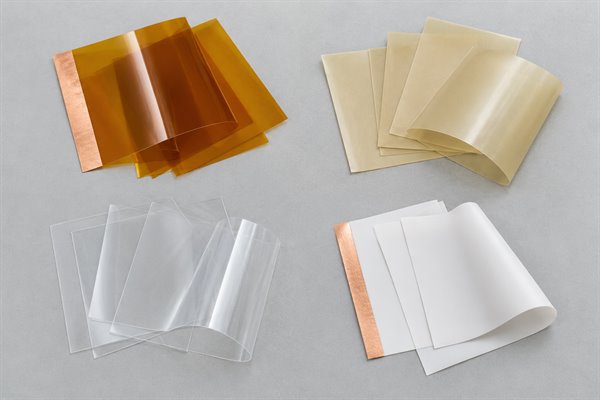
Polyimide is the most versatile material for high-reliability flexible PCBs. LCP offers advantages in moisture-sensitive and high-frequency applications, while PET is better suited to lower-temperature products. PTFE-based materials are used primarily in specialized RF circuits, although many reinforced PTFE laminates are not suitable for dynamic bending.
| Material | Thermal Performance | Moisture & Electrical Properties | Flexibility & Durability | Best Applications |
|---|---|---|---|---|
| Polyimide (PI) | Excellent film-level heat resistance; compatible with conventional lead-free assembly in qualified laminate constructions | Good insulation; higher moisture absorption than LCP; dielectric loss varies by grade | Suitable for static and dynamic flexing with appropriate copper and stackup | Automotive electronics, industrial controls, medical electronics, flexible interconnects |
| Liquid Crystal Polymer (LCP) | Good heat resistance; soldering limits depend on the specific laminate grade | Very low moisture absorption, low dielectric loss, stable high-frequency performance | Good flexibility in suitable film constructions; fatigue life requires qualification | RF antennas, high-frequency modules, automotive radar, moisture-sensitive circuits |
| Polyester (PET) | Lower thermal resistance; generally incompatible with conventional lead-free reflow | Good electrical insulation and relatively low moisture absorption | Suitable for low-temperature, limited-movement applications; not a direct PI substitute for demanding thermal environments | Membrane switches, low-temperature sensors, printed electronic interfaces |
| PTFE-Based RF Laminates | Excellent heat and chemical resistance; processing depends on the composite construction | Very low dielectric loss and moisture absorption; suitable for microwave frequencies | Many ceramic-filled or glass-reinforced grades are rigid or semi-rigid and unsuitable for repeated bending | RF transmission lines, microwave circuits, specialized high-frequency substrates |
PI is the preferred starting point when thermal resistance and mechanical flexibility are both required. For applications where dielectric loss and humidity-related performance changes are more critical, LCP deserves closer consideration.
What Properties Matter Most in High-Reliability Flexible Circuit Materials?
Thermal stability, flexural fatigue resistance, moisture absorption, dielectric performance, and dimensional stability are the main properties used to judge flexible circuit material reliability. Each should be evaluated against the actual operating conditions.
-
Thermal Stability: Compare continuous-use temperature, soldering compatibility, thermal expansion, and resistance to repeated heating and cooling. The complete laminate must tolerate the specified exposure.
-
Flexural Fatigue Resistance: Evaluate the ability of the copper-clad construction to survive repeated bending. Copper thickness, foil type, dielectric thickness, and bend radius directly influence fatigue life.
-
Moisture Absorption: Check how absorbed moisture affects material dimensions, insulation resistance, and dielectric behavior. Low absorption is particularly valuable in precision RF circuits.
-
Dielectric Performance: Compare dielectric constant (Dk) and dissipation factor (Df) at the operating frequency. Low Df helps reduce dielectric-related signal loss.
-
Dimensional Stability: Review expansion and shrinkage under thermal and humidity exposure, especially for fine-pitch connections, multilayer registration, and controlled-impedance circuits.
Test conditions matter as much as published values. Dk and Df measured at different frequencies should not be compared without accounting for measurement conditions. Similarly, fatigue data from bare film cannot predict the bending life of a finished copper-clad flexible PCB.
Which Flexible Circuit Materials Perform Best Under High Temperatures?
Polyimide is generally the preferred flexible circuit substrate for high-temperature applications. Qualified PI laminates can withstand conventional soldering processes and provide stable performance in products exposed to elevated operating temperatures.
For more demanding thermal conditions, adhesiveless PI laminates are worth considering. They eliminate the separate adhesive layer between the copper and base dielectric, reducing one potential temperature-sensitive interface. However, coverlay and multilayer bonding materials may still contain adhesives.
LCP can also provide good heat resistance, although its thermoplastic characteristics make the allowable processing conditions grade-dependent. PET has much lower thermal capability and is generally unsuitable for conventional lead-free reflow assembly.
Short-term soldering resistance and long-term operating temperature are different specifications. Before selecting a high-temperature laminate, confirm its continuous-use limits, soldering compatibility, and thermal aging performance, including those of its bonding materials.
Which Flexible Circuit Materials Are Best for Repeated Bending?
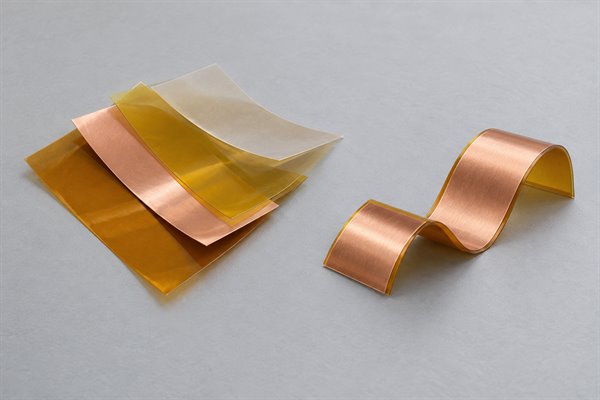
Thin PI-based laminates combined with suitable rolled annealed (RA) copper are commonly used for dynamic-flex circuits. RA copper generally provides better fatigue resistance than conventional electrodeposited (ED) copper, making it a preferred option when conductors must survive repeated movement.
Adhesiveless PI constructions can further reduce the circuit's overall thickness and bending strain. However, the advantage depends on the complete stackup, including copper thickness, coverlay, and any additional bonding layers.
A circuit folded once during installation does not require the same material construction as one moving continuously inside industrial machinery. Dynamic-flex applications typically favor thinner, fatigue-resistant conductors, while higher-current circuits may require thicker copper and a larger bend radius.
Specify the expected bending cycles, minimum bend radius, and movement pattern before selecting the laminate. RA copper and PI alone do not guarantee a particular fatigue life; endurance must be verified using the finished circuit construction.
Which Flexible Circuit Materials Are Best for Different Applications?
Material selection should follow the dominant reliability risk of each application. Automotive systems may experience repeated temperature changes, industrial interconnects may move continuously, and high-frequency circuits may be sensitive to moisture-related dielectric changes.
| Application | Recommended Material Direction | Reliability Requirements | Verification Focus |
|---|---|---|---|
| Automotive Electronics | PI or qualified adhesiveless PI | Thermal cycling, vibration, stable electrical connections | Thermal cycling, adhesion, electrical continuity |
| Medical Electronics | Thin PI with application-compatible bonding and protective materials | Repeated movement, electrical insulation, application-specific material requirements | Flex fatigue, insulation testing, applicable qualification requirements |
| Aerospace Electronics | Qualified high-performance PI laminate systems | Temperature extremes, vibration, traceable materials | Thermal stress, mechanical durability, material traceability |
| Industrial Automation | Thin PI with fatigue-resistant copper | Continuous movement, long service life, reliable interconnections | Dynamic-flex testing, conductor continuity, environmental exposure |
| High-Frequency Electronics | LCP, qualified low-loss PI, or suitable PTFE-based laminate | Low insertion loss, stable impedance, low moisture sensitivity | Dk/Df characterization, insertion loss, humidity exposure |
| Wearable Electronics | Thin PI with suitable copper construction | Repeated deformation, low thickness, stable connections | Flex fatigue, electrical continuity, dimensional inspection |
Medical and aerospace applications may require additional qualification beyond normal flexible PCB testing. Material traceability, environmental limits, regulatory requirements, and customer specifications should be established for the particular product rather than inferred from the application category.
What Material-Related Failures Can Affect Flexible Circuit Reliability?
Copper fatigue cracking, delamination, moisture-related degradation, and thermal expansion mismatch are major material-related failure mechanisms in flexible circuits. The failure pattern often helps identify which part of the material construction requires investigation.
-
Copper Fatigue Cracking: Repeated bending can create conductor cracks and intermittent electrical connections. Excessive copper thickness, unsuitable foil, or a tight bending radius increases the risk.
-
Delamination: Copper or dielectric layers may separate when adhesive strength is insufficient for the thermal or mechanical exposure. Bonding materials and lamination conditions influence this failure.
-
Moisture-Related Degradation: Absorbed moisture can affect insulation and dielectric properties or contribute to damage during subsequent heating.
-
Thermal Expansion Mismatch: Different expansion rates between copper, dielectric, and reinforcement materials generate stress during temperature cycling, potentially damaging bonded interfaces and interconnections.
A blister appearing after soldering, for example, may result from absorbed moisture or an unsuitable bonding layer rather than degradation of the PI film itself. The affected interface and operating conditions should be identified before replacing the laminate, since changing the substrate alone may leave the original failure mechanism unresolved.
How Can You Verify the Reliability of Flexible Circuit Materials?
Reliable material selection requires mechanical, thermal, and electrical verification under conditions relevant to the finished product. A material datasheet establishes nominal properties, but it cannot guarantee long-term performance for every PCB construction.
The following tests address different reliability concerns:
-
Flexural Endurance Testing: IPC-TM-650 2.4.3F addresses flexural endurance of flexible printed board materials. Finished-circuit bending tests should also account for the intended bend radius, movement pattern, and electrical continuity.
-
Peel Strength Testing: IPC-TM-650 2.4.9E provides a method for evaluating peel strength of flexible dielectric materials. Results help assess copper-to-dielectric adhesion.
-
Thermal Cycling and Thermal Stress Testing: Evaluate material interfaces and interconnection integrity after specified temperature changes or thermal exposure.
-
Moisture and Insulation Resistance Testing: Assess electrical insulation behavior under controlled humidity conditions and identify moisture-related reliability risks.
-
Dimensional and Electrical Inspection: Confirm that fabricated circuits satisfy dimensional tolerances, conductor continuity, and insulation requirements.
IPC-6013F:2026 establishes qualification and performance requirements for flexible and rigid-flex printed boards. The IPC-4202, IPC-4203, and IPC-4204 specifications address flexible base dielectrics, cover and bonding materials, and flexible metal-clad dielectrics, respectively.
For dynamic-flex applications, the acceptance criteria should define test radius, cycle count, electrical failure conditions, and post-test inspection requirements. Without these conditions, bending results from different materials or suppliers may not be directly comparable.
How Do You Balance Material Reliability and Cost?
Conventional PI laminates often provide the best balance of cost, availability, and performance for high-reliability flexible PCBs. Premium materials are most worthwhile when their properties solve a specific thermal, mechanical, or electrical problem.
Adhesiveless PI may justify a higher material cost when reduced thickness or demanding bending requirements make it advantageous. LCP is worth considering when stable high-frequency performance under humidity exposure is a priority. Specialized PTFE-based materials can be appropriate for microwave applications, but their fabrication requirements and limited bending suitability must be considered. PET remains economical for lower-temperature products using compatible manufacturing and assembly processes.
For production orders, compare approved laminate grades, copper constructions, qualification requirements, and expected manufacturing yield, not just the price per sheet. A cheaper material that requires additional processing or fails qualification may increase the finished product cost.
Why Choose BestFPC for High-Reliability Flexible PCB Manufacturing?
BestFPC has more than 20 years of flexible PCB manufacturing experience, providing material review, DFM support, prototyping, and custom manufacturing for applications with demanding reliability requirements.
Our services include:
-
Material Selection Support: Review PI laminate grades, copper foil, coverlay, and bonding materials against the specified operating conditions.
-
Custom Flexible PCB Manufacturing: Manufacture single-sided, double-sided, multilayer, and rigid-flex constructions with project-specific material and stackup requirements.
-
DFM Review: Examine bend areas, copper thickness, coverlay openings, stiffener placement, and manufacturing risks before fabrication.
-
Inspection and Quality Control: Perform electrical testing, dimensional inspection, and applicable manufacturing checks according to approved build requirements.
For projects requiring controlled material specifications or additional reliability verification, BestFPC can review the requested documentation, inspection criteria, and manufacturing requirements before production release.
Frequently Asked Questions
Q1: Can a low-loss polyimide laminate replace LCP in RF circuits?
A1: Sometimes. Low-loss PI can be suitable for high-frequency circuits, but replacement depends on Dk, Df, moisture absorption, conductor characteristics, and operating frequency. Compare qualified laminate data rather than polymer names alone.
Q2: Does low moisture absorption make a flexible circuit waterproof?
A2: No. Low moisture absorption improves material stability but does not waterproof the finished circuit. Exposed contacts, edges, and material interfaces may still require sealing or protective coatings.
Q3: Can PET flexible circuits withstand lead-free reflow soldering?
A3: Conventional PET flexible circuits are generally unsuitable for standard lead-free reflow. PET-based products typically use lower-temperature joining methods, conductive adhesives, or mechanical connections compatible with the selected material.
Q4: Does copper surface roughness affect high-frequency signal loss?
A4: Yes. Copper roughness can increase conductor-related losses at high frequencies. Low-profile copper may improve signal performance, but adhesion and fabrication compatibility must also be considered.
Q5: Can a material datasheet guarantee one million bending cycles?
A5: No. Finished-circuit fatigue life depends on more than the base material. Copper thickness, layer count, bend radius, movement conditions, and protective layers affect endurance. The complete construction requires qualification.
Q6: Are all PI laminates compatible with lead-free soldering?
A6: No. Compatibility depends on the complete laminate and bonding system. The selected copper-clad material, coverlay, and adhesives must tolerate the specified assembly temperature and exposure duration.
Q7: Does IPC Class 3 guarantee a specific dynamic-flex life?
A7: No. IPC Class 3 does not establish a universal bending-cycle lifetime. Dynamic-flex requirements, test conditions, and acceptance criteria must be defined for the intended application.
Q8: Is ENIG suitable for flexible circuits exposed to repeated bending?
A8: ENIG is generally avoided on conductors in dynamic bending regions because the nickel layer is relatively brittle. Surface finish selection should distinguish between soldering areas and sections exposed to repeated movement.
Q9: Does UL 94 V-0 certification prove flexible circuit reliability?
A9: No. UL 94 V-0 is a flammability classification. It does not establish thermal cycling endurance, conductor fatigue life, dielectric stability, or resistance to delamination.
Q10: What documents should accompany an approved laminate substitution?
A10: Request revised material specifications, equivalence assessment, customer approval, and relevant qualification records. Traceability-controlled projects may also require material identification and production lot documentation.
Conclusion
Polyimide is the preferred starting point for most high-reliability flexible PCB applications, while LCP offers particular advantages for high-frequency and moisture-sensitive circuits. PET and PTFE-based materials serve more specialized requirements. The best flexible circuit materials for high-reliability applications should be selected according to the actual operating conditions and qualified in the intended laminate construction.
Looking for a reliable manufacturer for high-reliability flexible PCBs? BestFPC provides material review, DFM guidance, prototype fabrication, and volume production. Send your Gerber files, material requirements, bending conditions, expected quantities, and delivery requirements to sales@bestfpc.com for technical support and a customized manufacturing quotation.


.png)
.png)
.png)
.png)

.png)