


 2026-03-25
 BEST
BESTTable of Contents
- What Is FPC and FFC?
- Core Differences Between FPC and FFC
- FPC vs FFC: Cost, Performance, and Design Flexibility
- Industry Demand in Australia: How Different Sectors Choose
- Engineering Decision Factors: How to Select FPC or FFC
- FPC vs FFC in High-Reliability Applications
- FAQ: FPC vs FFC Selection Guide
- Why BESTFPC Is the Ideal Flexible PCB Partner
- Conclusion
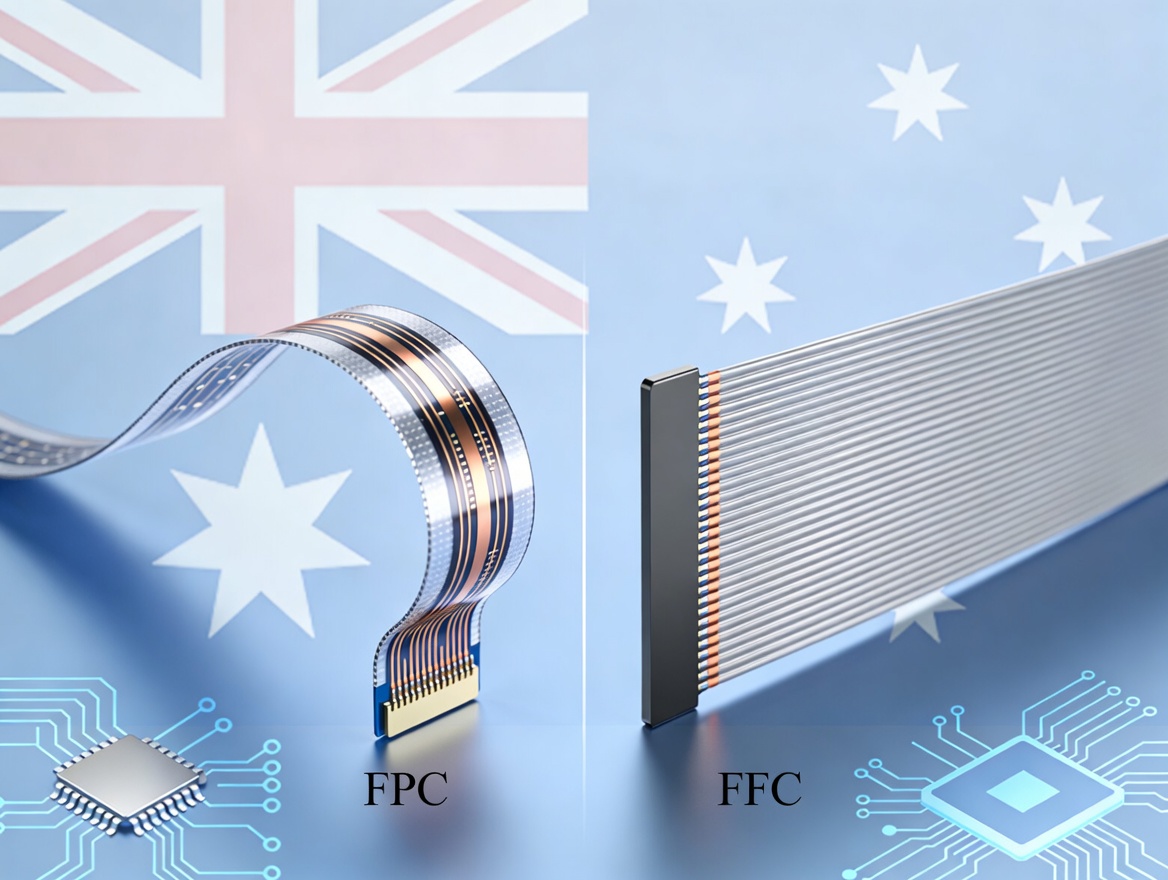
What Is FPC and FFC? Understanding the Fundamentals
Flexible electronics rely heavily on two major interconnect technologies: Flexible Printed Circuits (FPC) and Flat Flexible Cables (FFC). Although they appear similar at first glance, their structure, manufacturing processes, and application scenarios differ significantly.
An FFC (Flat Flexible Cable) is essentially a flat ribbon-like cable composed of parallel conductors laminated between insulating films. It is widely used for simple, linear connections between components, especially in consumer electronics.
In contrast, an FPC (Flexible Printed Circuit) is a true circuit board fabricated on flexible substrates such as polyimide. It supports complex circuit layouts, multilayer structures, and even component integration.
From a functional perspective:
- FFC = connection cable (simple, linear, low-cost)
- FPC = functional circuit (complex, high-performance)
This distinction is critical in modern electronics design. Engineers in Australia increasingly need to choose between cost efficiency and performance flexibility, especially in sectors like medical devices, mining equipment, and telecommunications.
Core Differences Between FPC and FFC
Understanding the differences between FPC and FFC requires analyzing multiple technical dimensions.
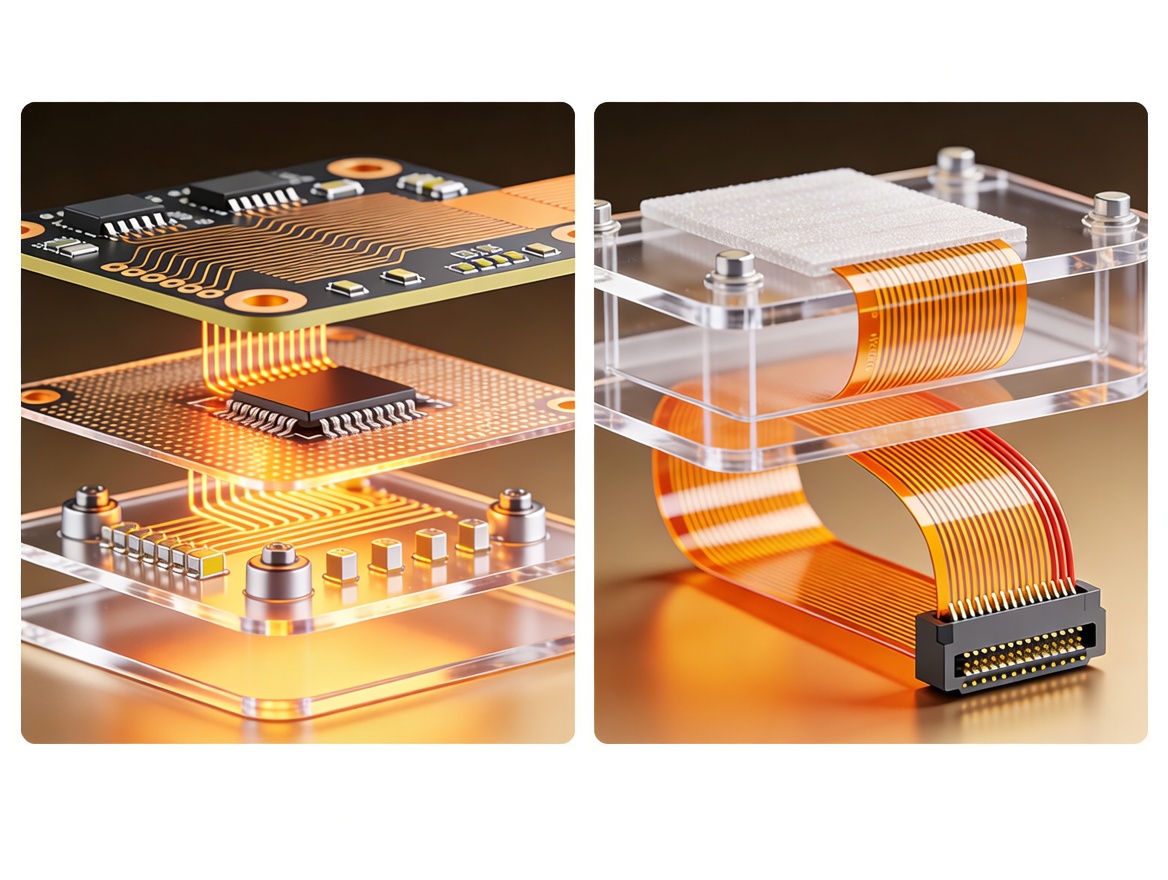
Structure and Design Capability
FPCs are built with etched copper circuits on flexible substrates, allowing multi-layer and high-density routing. Meanwhile, FFCs consist of straight parallel conductors and cannot support complex routing.
Manufacturing Process
FPC manufacturing involves photolithography, etching, lamination, and surface finishing—similar to PCB production.
FFC manufacturing is simpler, involving lamination of conductors within plastic films.
Flexibility and Mechanical Performance
FPCs provide superior dynamic flexing capability and can withstand repeated bending cycles.
FFC cables are better suited for static or limited movement applications.
Application Scope
- FPC: smartphones, medical devices, automotive systems
- FFC: printers, displays, simple internal connections
Customization Level
FPC offers high customization (shape, layers, impedance control).
FFC is standardized and limited in geometry.
These differences make FPC more suitable for high-end applications, while FFC remains a cost-effective solution for simpler designs.
FPC vs FFC: Cost, Performance, and Design Flexibility
From a procurement and engineering perspective, the decision between FPC and FFC often comes down to balancing cost against performance.
FFC cables are significantly cheaper due to simpler manufacturing processes. They are ideal for applications where cost sensitivity is high and circuit complexity is low.
However, FPCs provide several performance advantages:
- higher signal integrity
- better EMI shielding
- support for high-speed transmission
- ability to integrate components
In high-frequency or high-density designs, FFC simply cannot meet requirements due to its structural limitations.
Another key factor is space optimization. FPCs can be folded, bent, and integrated into compact 3D structures, enabling miniaturization of electronic devices.
In Australia’s competitive electronics manufacturing environment, companies increasingly prioritize performance-driven designs, especially in export-oriented products. As a result, FPC adoption is growing despite higher initial costs.
Industry Demand in Australia: How Different Sectors Choose
Australia’s industrial structure creates diverse demand for flexible interconnect solutions.
Medical Devices
Australia has a strong medical technology sector, requiring compact and reliable electronics. FPC is preferred due to its high reliability, flexibility, and ability to integrate complex circuits.
Mining and Industrial Equipment
Harsh environments demand durability and resistance to vibration. FPC provides better mechanical reliability compared to FFC.
Consumer Electronics
FFC remains widely used in low-cost consumer electronics such as displays and printers.
Telecommunications
With the expansion of 5G infrastructure, FPC is increasingly used for high-frequency applications where signal integrity is critical.
Automotive (EV and Smart Systems)
Australia’s growing EV and smart mobility sector requires flexible, lightweight, and high-performance circuits—favoring FPC and rigid-flex solutions.
Across these industries, the trend is clear:
High-end applications → FPC
Cost-sensitive simple connections → FFC
Engineering Decision Factors: How to Select FPC or FFC
Choosing between FPC and FFC requires evaluating several key factors.
Circuit Complexity
If your design includes multiple layers, impedance control, or embedded components → choose FPC.
Movement Requirements
Dynamic bending applications require FPC. Static connections can use FFC.
Cost Constraints
Low-cost mass production favors FFC.
Environmental Conditions
High temperature, humidity, or vibration environments favor FPC.
Signal Integrity
High-speed or RF signals require FPC due to better electrical performance.
In practice, many advanced designs use a combination of both technologies, depending on system requirements.
FPC vs FFC in High-Reliability Applications
In high-reliability sectors such as aerospace, medical devices, and telecommunications, the limitations of FFC become more evident.
FFC cables lack the structural robustness required for complex circuits and high-frequency performance. They are also more vulnerable to mechanical stress and connector failure.
FPC, on the other hand, offers:
- multilayer routing capability
- improved durability
- better thermal performance
- higher integration
This makes FPC the preferred solution for mission-critical systems.
For Australian companies targeting global markets, product reliability directly impacts brand reputation and long-term profitability. Therefore, many OEMs are transitioning from FFC to FPC or rigid-flex solutions.
FAQ: FPC vs FFC Selection Guide
What is the main difference between FPC and FFC?
FPC is a flexible circuit board with complex routing, while FFC is a simple flat cable for linear connections.
Is FPC more expensive than FFC?
Yes, but it provides better performance and reliability.
When should I use FFC instead of FPC?
Use FFC for simple, low-cost, short-distance connections.
Which is better for high-frequency signals?
FPC is better due to superior signal integrity.
Can FFC replace FPC?
No, because FFC cannot support complex circuit designs.
Why BESTFPC Is the Ideal Flexible PCB Partner
Choosing the right supplier is as important as choosing the right technology.
BESTFPC provides:
- advanced flexible PCB manufacturing
- rigid-flex PCB solutions
- HDI and high-frequency PCB capability
- strict quality control systems
Recommended internal links:
- https://www.bestfpc.com/flexible-pcb/
- https://www.bestfpc.com/rigid-flex-pcb/
- https://www.bestfpc.com/hdi-pcb/
With strong engineering expertise and global project experience, BESTFPC helps customers in Australia develop high-performance electronic solutions with optimized cost and reliability.
Conclusion
FPC and FFC are both essential technologies in modern electronics, but they serve fundamentally different purposes.
FFC provides a low-cost solution for simple connections, while FPC enables high-performance, compact, and reliable designs.
As Australia’s electronics industry continues to evolve toward higher performance and miniaturization, the demand for FPC and rigid-flex solutions will continue to grow.
Partnering with an experienced manufacturer like BESTFPC ensures that your design achieves both technical excellence and commercial success.


.png)
.png)
.png)
.png)

.png)