


 2026-03-30
 BEST
BESTTable of Contents
- What Is Polyimide PCB Cloning
- Why Polyimide Is Critical in Flexible PCB Reverse Engineering
- Step-by-Step Polyimide PCB Cloning Process
- Cost Drivers and Complexity Factors
- Industry Demand in Canada (Medical, Aerospace, Telecom, Automotive)
- Engineering Decision Factors for FPC Cloning
- Polyimide vs PET vs LCP: Material Comparison
- FAQ
- Why Choose BESTFPC
What Is Polyimide PCB Cloning (Flexible Circuit Reverse Engineering Explained)
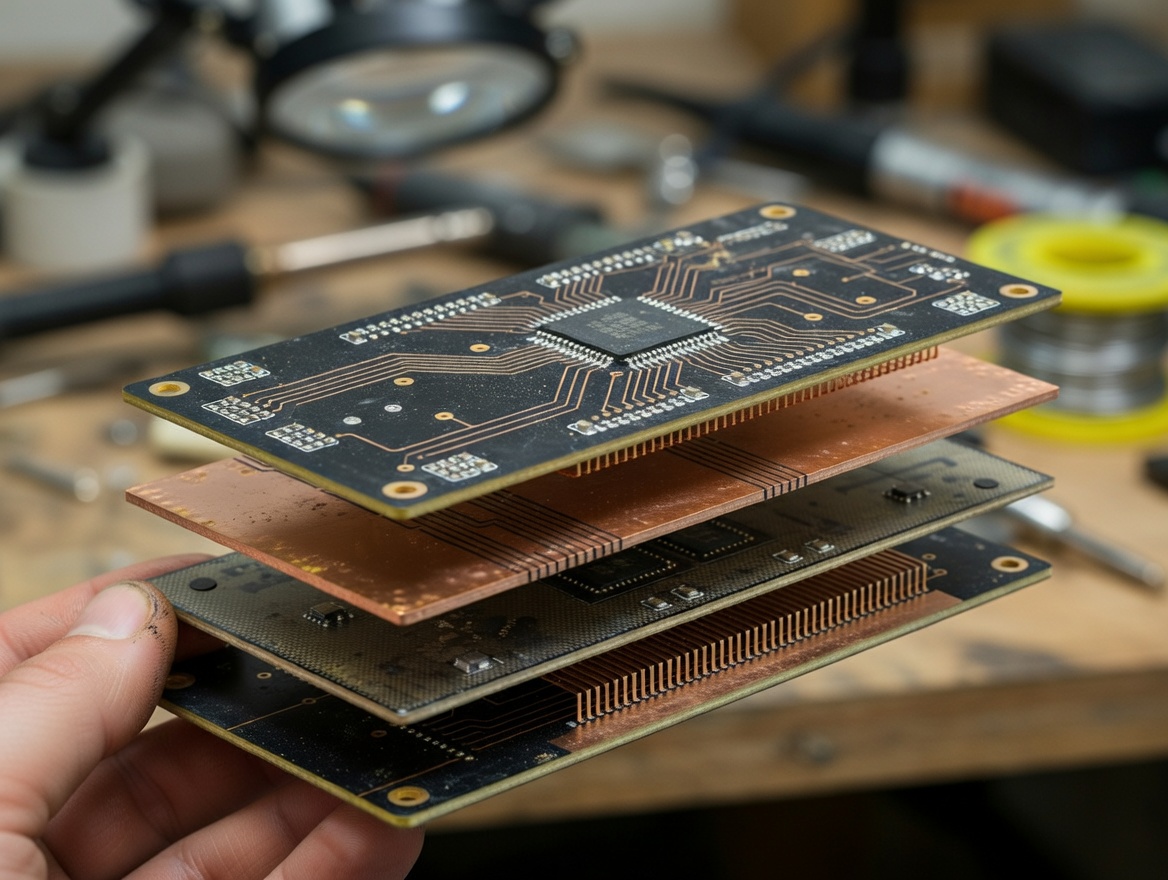
Polyimide PCB cloning refers to the process of reverse engineering an existing flexible printed circuit board (FPC) built on polyimide substrates. In Canada’s electronics manufacturing ecosystem, this process is increasingly used when original Gerber files are unavailable, when legacy systems require duplication, or when performance upgrades are necessary.
Polyimide materials are widely used in flexible circuits due to their exceptional thermal stability, mechanical flexibility, and dielectric performance. These properties make them ideal for high-reliability industries such as aerospace, medical devices, and telecommunications.
In a typical cloning scenario, engineers analyze the physical board structure, extract copper routing data, reconstruct schematics, and validate electrical performance. The objective is not only replication but often optimization—enhancing impedance control, reducing signal loss, or improving thermal resistance.
From an EEAT perspective, Canadian buyers are highly focused on supplier expertise and validation capability. They require manufacturers who can demonstrate deep understanding of materials, testing standards, and compliance requirements.
Why Polyimide Is Essential for High-Reliability PCB Cloning
Polyimide stands out as the dominant substrate material in flexible PCB design due to its superior physical and electrical characteristics. In Canada, industries such as aerospace and medical devices demand materials that can withstand extreme environments.
Thermal Stability and High-Temperature Performance
Polyimide can operate at temperatures exceeding 260°C, making it suitable for harsh environments and lead-free soldering processes.
Mechanical Flexibility and Durability
Unlike rigid substrates, polyimide allows repeated bending cycles without cracking, which is critical in wearable electronics and dynamic systems.
Electrical Performance
Low dielectric constant and stable impedance characteristics make polyimide ideal for high-frequency and high-speed signal transmission.
From a cloning perspective, accurately identifying and replicating polyimide material properties is essential. Even slight deviations can result in signal degradation or mechanical failure.
Step-by-Step Polyimide PCB Cloning Process (From Analysis to Production)
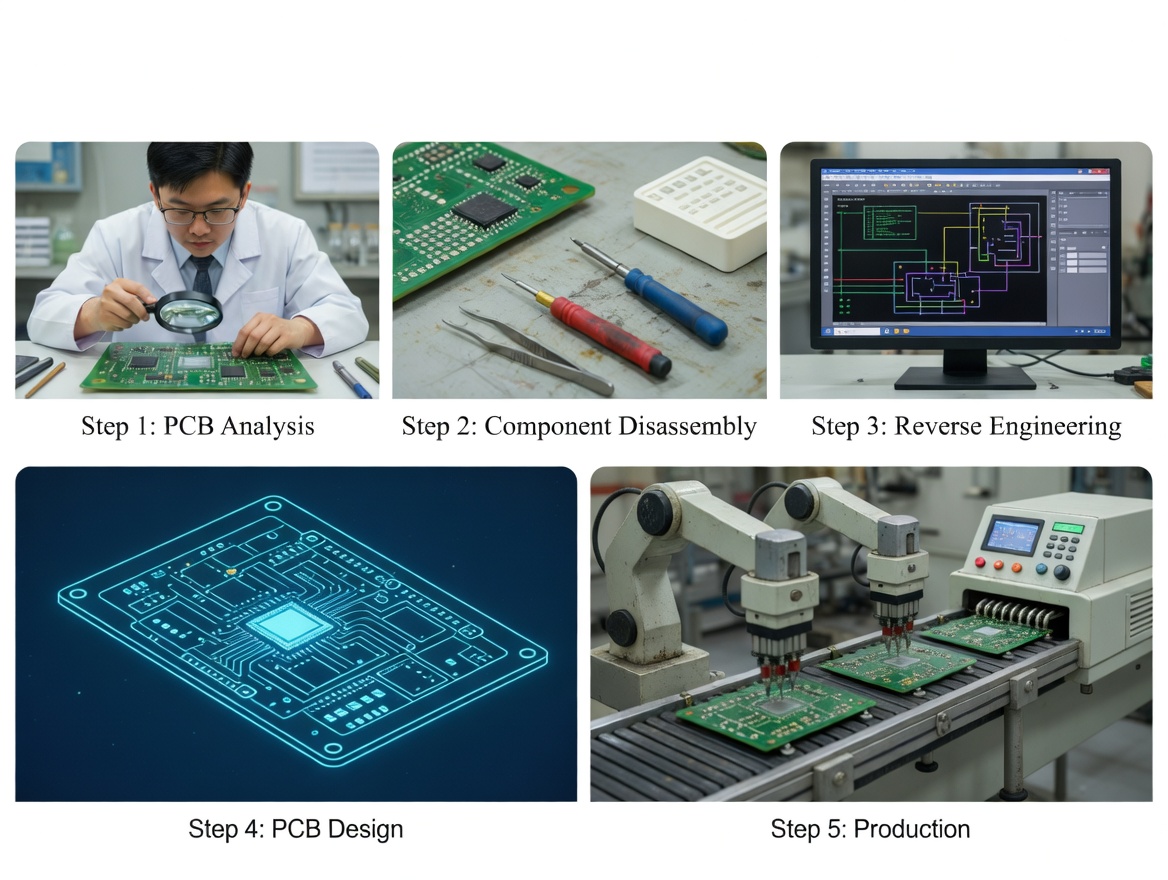
The cloning process involves multiple technical stages, each requiring precision engineering and advanced equipment.
1. Physical Analysis
Microscopic inspection and layer-by-layer separation to identify stack-up and trace geometry.
2. Circuit Extraction
Reconstruction of copper routing using imaging and software tools.
3. Schematic Rebuild
Creation of electrical diagrams to validate functionality.
4. Material Identification
Verification of polyimide thickness, adhesive type, and copper weight.
5. Prototype Validation
Electrical testing, impedance testing, and reliability verification.
Canadian customers typically require strict validation aligned with IPC standards, ensuring consistency and reliability in replicated designs.
Cost Drivers in Polyimide PCB Cloning (Canada Market Analysis)
The cost of polyimide PCB cloning depends on multiple engineering and production factors.
Key Cost Factors:
- Layer count (single-layer vs multilayer vs rigid-flex)
- Trace density and minimum line width
- Material type (PI vs LCP vs PET)
- Testing requirements (AOI, flying probe, impedance testing)
- Volume and lead time
In Canada, cost sensitivity varies by industry. Medical and aerospace sectors prioritize reliability over cost, while consumer electronics focus on cost optimization.
Industry Demand in Canada: Application-Specific Requirements
Medical Devices
Require biocompatibility, miniaturization, and high reliability.
Aerospace
Demand extreme temperature resistance and vibration durability.
Telecommunications
Require high-frequency performance and signal integrity.
Automotive (EV & ADAS)
Focus on thermal management and long lifecycle durability.
Across these industries, polyimide FPC cloning is often used to maintain supply chain continuity and upgrade legacy systems.
Polyimide vs PET vs LCP: Which Material Is Better for PCB Cloning?
|
Material |
Advantage |
Application |
|---|---|---|
|
Polyimide |
High temp, durable |
Aerospace, medical |
|
PET |
Low cost |
Consumer electronics |
|
LCP |
High-frequency |
5G, RF |
Engineering Decision Factors: How to Choose the Right PCB Cloning Partner
When selecting a supplier, Canadian companies evaluate:
- Engineering capability
- Material expertise
- Testing standards
- Lead time reliability
- Communication efficiency
This is where BESTFPC provides strong advantages through advanced manufacturing, strict QC systems, and global project experience.
FAQ
What is polyimide PCB cloning?
A process of reverse engineering flexible circuits built on polyimide materials.
Is PCB cloning legal in Canada?
Yes, if intellectual property rights are respected.
How long does PCB cloning take?
Typically 2–4 weeks depending on complexity.
What industries use FPC cloning?
Medical, aerospace, telecom, automotive.
Why BESTFPC Is the Right Partner for Polyimide PCB Cloning
BESTFPC specializes in flexible PCB and rigid-flex PCB manufacturing, offering:
- Advanced reverse engineering capability
- High-precision impedance control
- Fast prototyping and mass production
- Global delivery support
Start Your Polyimide PCB Cloning Project Today → Get Your PCB Solution Now!


.png)
.png)
.png)
.png)

.png)