


 2025-12-27
 BEST
BEST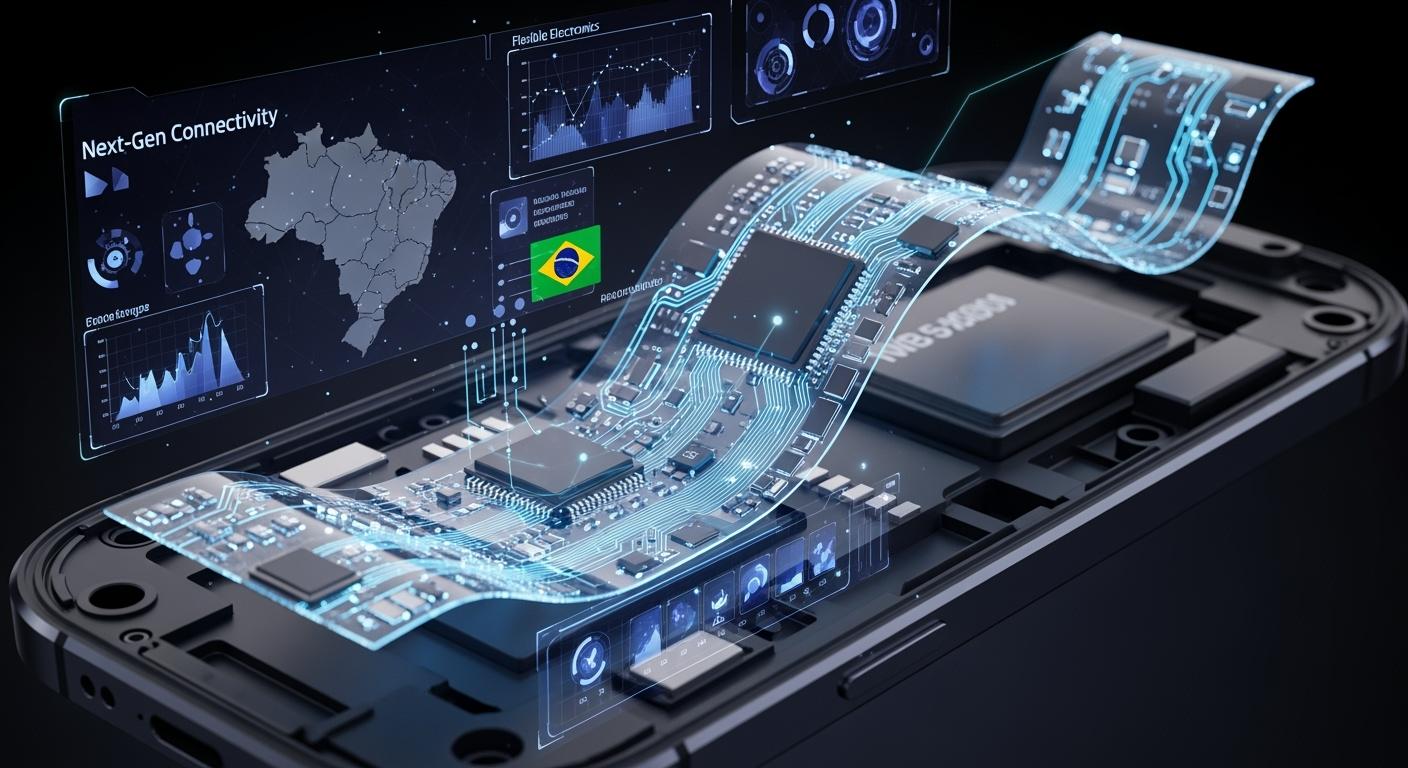
You notice technology is getting smaller and smarter each day. Ultra-thin FPC helps people make lighter and stronger devices. In Brazil, electronics and car companies want smaller products to meet more needs. This flexible circuit technology allows many connections in a small space. It helps make advanced systems work. You see new ideas grow quickly with these thin and strong solutions.
Key Takeaways
- Ultra-thin FPC technology helps make devices smaller and lighter. These devices are also stronger. This is important because people in Brazil want better tech. Choosing the right material is very important. Materials like Liquid Crystal Polymer or Polyimide help FPCs work well and last longer. Ultra-thin FPCs make devices more reliable. They do this by using fewer connectors and solder joints. This means there are fewer places where things can break. Special ways of making FPCs, like laser drilling, are used. These ways help put more features in small spaces. Working with good suppliers like BestFPC is smart. They make sure the FPCs are good quality. They also help send products quickly. This helps companies do well in Brazil’s fast-changing electronics market.
Why Ultra-thin Flexible PCBs are the Future of Compact Electronics
Electronics in Brazil are changing very quickly. Every year, devices become smaller and lighter. They also get smarter. Ultra-thin FPC technology is leading this change. You can add more features to products without making them bigger. This helps make small devices with lithium polymer batteries. Wearables and medical sensors use these small batteries.
Achieving Maximum Flexibility: The Physics Behind 0.1mm FPC Thickness
Ultra-thin FPCs can be as thin as 0.1mm. This makes them very flexible. Thin circuits can bend and twist easily. They do not break when you fold them. You can fit them into smartwatches or fitness trackers. Their thin shape makes devices weigh less. This is good for things you carry around. Ultra-thin FPC helps products last longer and work better.
Tip: Ultra-thin FPCs make devices more reliable. There are fewer connectors and solder joints. This means there are fewer things that can break.
Here is a simple table to compare ultra-thin flexible PCBs and traditional rigid PCBs:
| Advantage | Description |
|---|---|
| Space Efficiency | Lets you make small designs by using both flexible and rigid parts together. |
| Reduced Weight | Weighs less than regular PCBs, which is good for portable things. |
| Enhanced Reliability | Fewer solder joints and connectors mean less chance of breaking. |
| Design Flexibility | You can fold or twist them for cool new designs. |
| Improved Aesthetics | Makes devices look smooth and modern. |
| Cost Savings | Saves money because you do not need many boards or connectors. |
Ultra-thin FPCs are great for small electronics. You can make things smaller, lighter, and stronger.
Advanced Materials: Liquid Crystal Polymer (LCP) vs. Polyimide in Thin Designs
Choosing the right material is important for ultra-thin FPCs. You often pick between Liquid Crystal Polymer (LCP) and Polyimide. LCP does not let water or chemicals in. It is good for high-frequency circuits and medical tools. Polyimide can handle high heat. It is used for car sensors and battery systems.
- LCP helps wireless devices send signals better.
- Polyimide lets circuits work in tough places.
You pick the material that fits your needs. This helps you make strong and advanced electronics for Brazil.
Top Applications for Ultra-thin FPC in the Brazilian Tech Sector
Next-Generation Wearables: Fitness Trackers and Smartwatches Powered by Lithium Polymer Batteries
Wearable technology is changing how people watch their health. Fitness trackers and smartwatches need small and light parts. Ultra-thin FPC helps make slim devices with many circuits. You can add more sensors and features without making them big. Lithium polymer batteries are light and bendy, so they fit well. In Brazil, more brands sell smart wearables that last longer and feel nice to wear.
Note: Making things smaller helps you design cool wearables. These can track more things and last longer on one charge.
Medical Device Innovation: Minimally Invasive Surgical Tools Using Lithium Polymer Battery Technology
Doctors and patients get help from small and careful medical devices. Ultra-thin FPC lets you build tools that go inside the body. These tools use lots of circuits to control sensors and cameras. Lithium polymer batteries give power for a long time. In Brazil, hospitals use these tools for safer and easier surgeries. Patients get better faster and have fewer problems because the devices are light and bendy.
- You can make tools that reach hard places in the body.
- You can add new features without making them bigger.
Automotive Sensors and ADAS Systems for the Mercosur Region with Lithium Polymer Battery Integration
You help car makers by making smart sensors and ADAS. Ultra-thin FPC lets you put more sensors in small spaces in cars. You can make systems that check speed, heat, and safety. Lithium polymer batteries give steady power to these sensors. In Brazil and the Mercosur area, car companies use these ideas to make cars safer and smarter. You help cars connect better and work well.
| Application Area | Benefit of Ultra-thin FPC | Impact in Brazil |
|---|---|---|
| Wearables | Smaller size, lighter weight | More comfy smart devices |
| Medical Devices | Many circuits, flexible shape | Safer, easier surgeries |
| Automotive Sensors | Small, strong connections | Smarter, safer cars |
You help Brazil grow by using ultra-thin FPC for small, light, and strong electronics. You give people smarter, smaller, and better devices.
Technical Challenges in Manufacturing Ultra-thin Flexible Circuits
Making ultra-thin flexible circuits for lithium polymer battery devices is hard. There are many problems to solve when you design, build, and test each circuit. You need special tools and strong quality checks. This makes sure every circuit works well in wearables, medical devices, and car systems.
Precision Laser Drilling and Fine Line Circuitry (HDI) for Lithium Polymer Battery Applications
Precision laser drilling is used to make tiny holes in ultra-thin FPC. These small holes are called microvias. They connect layers in high-density interconnect (HDI) circuits. Lasers are better than drills because drills can hurt thin materials. Lasers make clean holes without cracks or burns.
Fine line circuitry lets you fit more connections in a small space. The lines can be as thin as a hair. This helps add more features to smartwatches, fitness trackers, and ADAS in cars. In Brazil, car makers use these circuits for safer and smarter cars. There is also more need for HDI circuits in wearables and medical devices. Market data shows these areas are growing fast.
Tip: Laser drilling helps make smaller and better designs. It stops problems that can break your device.
Surface Finish Options: ENIG, ENEPIG, and OSP for Thin Substrates in Lithium Polymer Battery Devices
You must pick the right surface finish for ultra-thin FPC. The finish keeps copper safe and helps you solder parts. There are three main choices:
- ENIG (Electroless Nickel Immersion Gold): This gives a flat, smooth surface. It is good for small parts in wearables and medical tools.
- ENEPIG (Electroless Nickel Electroless Palladium Immersion Gold): This is used for circuits that need gold and aluminum wire bonding. It makes strong and reliable joints.
- OSP (Organic Solderability Preservative): This is picked for cheaper projects. It is good for soldering but does not protect as much as metal finishes.
You need to match the finish to what your device needs. For example, you use ENIG or ENEPIG in car sensors that must last a long time. You use OSP in simple fitness trackers to save money.
Ensuring Impedance Control in Multi-layer Ultra-thin Designs for Lithium Polymer Battery Circuits
You must control impedance in multi-layer ultra-thin FPC. Impedance is how much electrical signals are slowed down. If you do not control it, signals can get weak or lost. This is very important for fast data in medical devices and ADAS systems.
To control impedance, you:
- Use special software to design the circuit stack-up.
- Keep each layer’s thickness very even.
- Test each circuit with careful tools.
| Challenge | Solution You Use | Why It Matters in Brazil |
|---|---|---|
| Laser Drilling | High-precision lasers | Needed for small, dense circuits |
| Fine Line Circuitry | Advanced photolithography | Enables miniaturization |
| Surface Finish Selection | ENIG, ENEPIG, OSP | Matches device needs and budgets |
| Impedance Control | Careful design and testing | Ensures reliable signal transfer |
Note: By solving these problems, you help Brazil’s tech sector grow. You make it possible to build smaller, lighter, and smarter devices for health, cars, and daily life.
Partnering with BestFPC: A Reliable FPC Supplier for Brazil-based Companies
Navigating Logistics: Shipping Custom FPCs to the Manaus Free Trade Zone for Lithium Polymer Battery Devices
You want your ultra-thin FPCs to get to you safely and quickly. BestFPC knows what Brazil companies need, especially in the Manaus Free Trade Zone. They know how to handle customs and import rules. This helps you skip long waits and extra fees. BestFPC packs your flexible circuits in strong boxes for shipping. Your custom FPCs arrive ready to use in your lithium polymer battery devices.
Tip: If you choose BestFPC, you get help at every step. They support you from design to delivery. This makes your supply chain easy and dependable.
You also get help from local partners. BestFPC works with trusted shipping companies in Brazil. You can check where your packages are and plan your work. This keeps your projects on time and your customers happy.
Quality Assurance: IPC-6013 and ISO 9001 Standards at BestFPC for Ultra-thin FPCs
You need FPCs that follow strict quality rules. BestFPC uses global certifications to make sure every flexible circuit works well in your lithium polymer battery products. The company follows IPC-6012, ISO 9001:2015, and ISO 13485:2016 standards. These rules cover different types and uses.
| Standard | Classification |
|---|---|
| IPC 6012 | Class 1, 2, 3 |
| ISO 9001:2015 | N/A |
| ISO 13485:2016 | N/A |
BestFPC uses special bonding materials like Loctite to make your circuits stronger. You get good adhesion, so your circuits do not peel apart and last longer. High flexibility lets your FPCs bend and twist without breaking. These things protect your devices from damage and tough places.
| Feature | Description |
|---|---|
| Bonding Materials | Loctite makes flex circuitry stronger and safer. |
| Adhesion | Good adhesion stops peeling and helps circuits last. |
| Flexibility | High flexibility lets FPCs bend and move easily. |
| Crack Resistance | Protects against damage from stress or rough conditions. |
Note: With BestFPC, you get ultra-thin FPCs that pass tough tests. You can trust your products to work well in Brazil’s fast-changing electronics market.
Ultra-thin FPC technology changes how things are made in Brazil. You can make electronics and cars smaller and smarter. These products use lithium polymer batteries for power. To do well, you should:
- Pick FPC suppliers who have good quality checks.
- Use better materials and careful ways to build things.
- Make products smaller to fit what people want now.
You can help bring new ideas to Brazil’s tech world. There will be more ways to grow and do well in the future.
FAQ
What makes ultra-thin FPCs ideal for lithium polymer battery devices?
Ultra-thin FPCs are very thin and can bend a lot. They fit into tiny spaces inside electronics. You can use them in things like wearables, medical tools, and car sensors. These devices use lithium polymer batteries. Ultra-thin FPCs help make products lighter and thinner.
How do you choose between LCP and Polyimide for lithium polymer battery circuits?
You pick LCP if you need to block water or use high-frequency signals. Polyimide is better if your device gets hot or needs to last a long time. Both materials work well with lithium polymer battery devices in Brazil.
Can ultra-thin FPCs improve reliability in lithium polymer battery applications?
Yes. Ultra-thin FPCs need fewer connectors and solder joints. This means there are fewer parts that can break. Your lithium polymer battery devices can last longer and work better.
What surface finish should you use for ultra-thin FPCs in lithium polymer battery products?
| Finish | Best Use Case |
|---|---|
| ENIG | Wearables, medical |
| ENEPIG | Automotive, sensors |
| OSP | Cost-sensitive devices |
You should pick the finish that matches what your product needs.
How does impedance control affect lithium polymer battery-powered electronics?
Impedance control helps signals stay strong and clear. It is important for fast data in medical devices and car systems. This makes sure your lithium polymer battery electronics work well.


.png)
.png)
.png)
.png)

.png)