


 2025-12-29
 BEST
BEST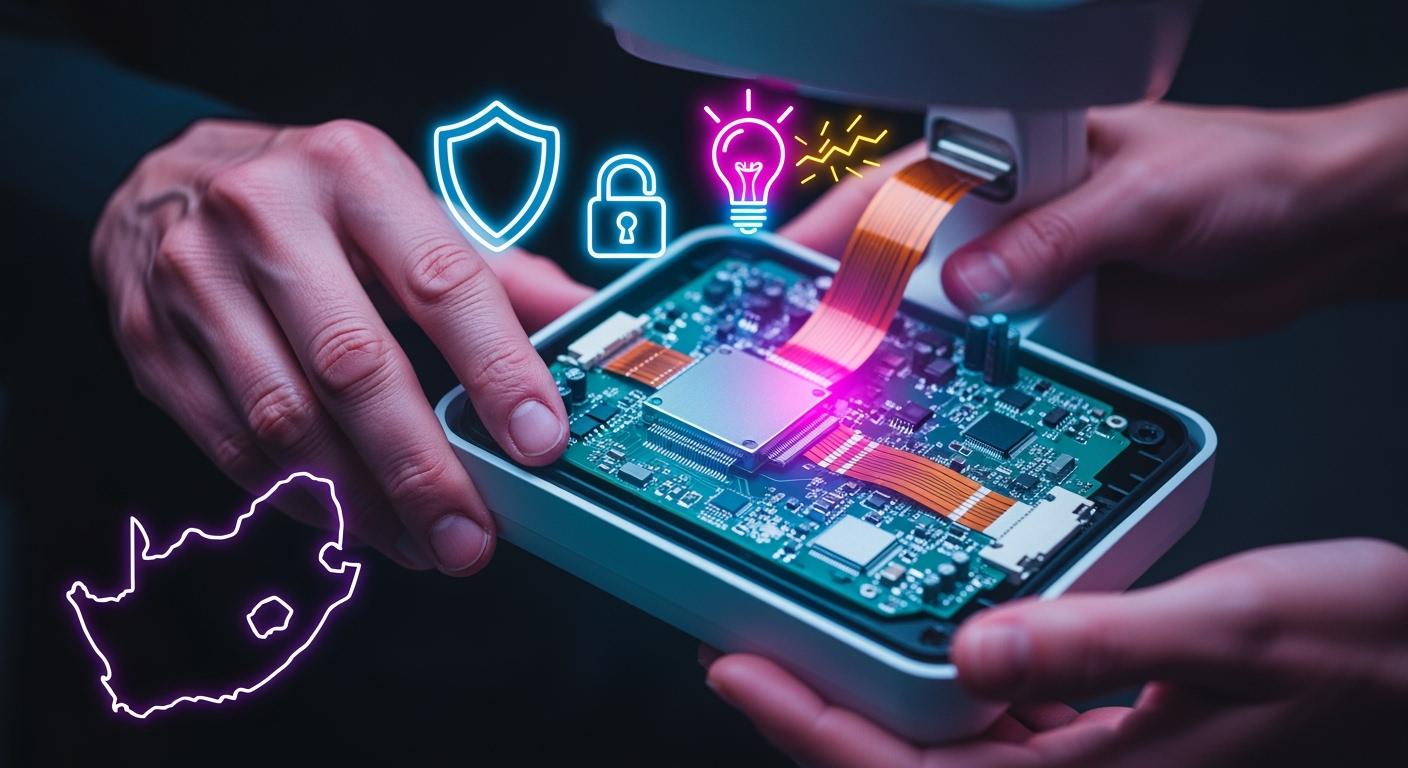
South Africa’s medical device PCB market is growing quickly. This is because more people want better healthcare solutions. Hospitals and clinics now use Medical Equipment FPC and hermetic ceramic PCBs more often. These help make devices that work well and can be trusted. Ceramic PCBs help new ideas by keeping devices cool and steady. This makes devices last longer and work better. These new technologies help people get better care. They also help the economy and create more jobs in the area.
Key Takeaways
- Medical Equipment FPC and ceramic PCBs help healthcare. They make devices smaller and lighter. Devices also work better and break less often.
- Ceramic PCBs stop water from hurting devices. This helps medical tools last longer. It keeps them safe to use in wet places.
- Local help from companies like WWW.BESTFPC.COM speeds up making new products. Startups can sell new medical devices faster.
- Strong safety rules and special materials keep patients safe. These rules also make sure devices follow the law.
- South Africa’s medical device industry needs new technology. This will help patients and make work easier for hospitals.
The Strategic Importance of Medical Equipment FPC in South Africa's Healthcare Transformation
Enhancing Diagnostic Precision with High-Density Flexible Circuits
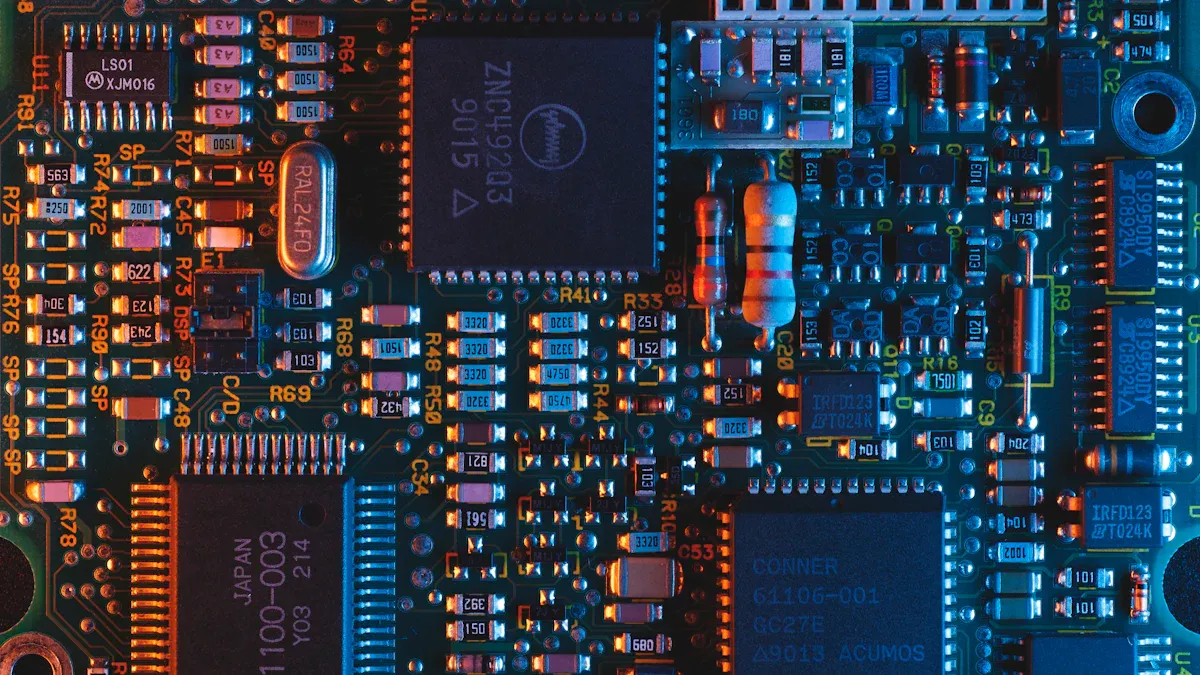
Clinics in South Africa need tools that work fast and well. Medical Equipment FPC helps doctors use smaller and smarter machines. These flexible circuits fit inside portable ultrasound and MRI sensor arrays. The machines are lighter and easy to move. Nurses can take them from one room to another. Patients get their tests done faster.
Portable scanners now go to clinics far from cities. More people get help without long trips. High-density flexible circuits send signals with less noise. Doctors see clearer pictures. They can make better choices for their patients.
How miniaturised FPCs enable portable ultrasound and MRI sensor arrays in local clinics.
Miniaturised Medical Equipment FPC lets engineers make medical devices smaller. They can put more sensors in a tiny space. This makes ultrasound and MRI machines stronger. Now, even small clinics can use advanced technology that only big hospitals had before.
- Each device holds more sensors.
- Pictures are clearer.
- Devices use less power and last longer.
Meeting the Standards of the South African Health Products Regulatory Authority (SAHPRA)
South Africa has strong rules for medical devices. SAHPRA checks every product to keep people safe. Medical Equipment FPC must use materials that are safe and not toxic. This keeps patients safe when they wear or touch these devices.
Ensuring biocompatibility and non-toxic material sourcing for wearable medical devices.
Makers pick materials that do not hurt the skin. They test each batch to make sure it is good. Only trusted suppliers give the raw materials. This keeps the supply chain safe and steady.
| Requirement | How Medical Equipment FPC Meets It |
|---|---|
| Biocompatibility | Uses skin-safe, tested materials |
| Non-toxicity | Sources from certified suppliers |
| SAHPRA Compliance | Passes all safety and quality checks |
Medical Equipment FPC helps South Africa’s healthcare system get better. It brings good care to more people and helps people trust new technology.
The Core Technical Barrier: Why Hermeticity is Non-Negotiable for Life-Critical Electronics
Understanding PCB Hermeticity: Ceramic vs. Organic Substrates
Hermeticity means stopping water and air from getting in. This is very important for medical devices. Ceramic substrates block water and gases very well. Organic substrates, like plastics, let in a little water. This can make problems inside the device.
The physics of "Zero Moisture Absorption": How ceramic substrates prevent ionic migration in humid environments.
Ceramic substrates do not let water in. This stops ions from moving around inside the circuit. If water gets inside, it can move ions that hurt the electronics. Humid places make this problem worse. Ceramic keeps the inside dry. The device works longer and stays safe. Hospitals in South Africa often have high humidity. Ceramic PCBs keep important equipment from breaking.
Note: Devices with ceramic PCBs break less in tough places. This means patients are safer and clinics have fewer problems.
Protecting Sensitive Medical Chips via Hermetic Glass-to-Metal Sealing
Sensitive chips need strong protection. Hermetic glass-to-metal sealing keeps out water and air. This seal keeps the electronics safe for many years.
Case study: Improving the lifespan of implantable pulse generators (IPGs) through ceramic packaging.
A local medical team used ceramic packaging for implantable pulse generators. Before, these devices stopped working early because water got inside. With ceramic and glass-to-metal seals, the new IPGs lasted much longer. Patients needed fewer new devices. Doctors saw better results and fewer risks.
| Technical Challenge | Implication for Hermeticity |
|---|---|
| Need for 100% hermeticity | Stops device failure and keeps patients safe |
| Joint integrity | Makes medical devices work well and stay safe |
| Manufacturing process consistency | Wastes less material and keeps patients safe |
| Complexity of welding and bonding processes | Can cause more quality problems |
South Africa’s healthcare system needs solutions that always work. Medical Equipment FPC and ceramic PCBs help meet these needs. They help clinics give safe care and help the country grow.
Ceramic PCB Hermeticity: Solving the "Failure Points" in Harsh Medical Environments
Thermal Management and Expansion Match (CTE)
Ceramic PCBs fix many problems for medical devices. Hospitals and clinics often have lots of humidity and quick temperature changes. Devices also go through long cleaning cycles. These things can make normal PCBs stop working. Ceramic hermeticity keeps circuits safe from water and heat.
- Water can get in through tiny cracks or weak spots.
- If water gets inside, it can rust parts and ruin insulation.
- Humidity makes this happen faster, so devices break sooner.
- The highly accelerated stress test (HAST) checks how well devices handle heat and humidity.
- HAST proves that water is a big reason medical PCBs fail.
Ceramic PCBs use materials with matching thermal expansion rates. This means the board and its parts grow and shrink together. When temperatures change, the board does not bend or crack. This keeps circuits safe and working longer.
- Stable dielectric geometry helps signals stay clear.
- Devices last longer, even with radiation or vacuum stress.
- Impedance stays the same, so devices work well at any temperature.
Ceramic PCBs also spread heat better than normal boards. Too much heat can break parts and cause problems. Ceramic moves heat away, so no part gets too hot. Engineers use thermal vias and copper pours to help with this.
Maintaining a contamination-free supply chain for high-precision medical sensors
A clean supply chain is very important for medical sensors. Dirt or dust can ruin a batch of sensors. Makers pick trusted suppliers and test every batch. They use strict checks to keep out dust, water, and other dangers. This careful work makes sure every sensor is safe and works well.
Tip: Medical Equipment FPC and ceramic PCBs together help devices survive tough places. They protect against heat, water, and dirt.
Sterilisation Resistance: Withstanding Autoclave and Chemical Cleaning
Medical devices must be clean and safe for each patient. Hospitals use strong cleaning methods to kill germs. These include autoclave, gamma, and ETO sterilisation. Many normal PCBs cannot handle these tough treatments. Ceramic PCBs can be cleaned many times and still work.
| Sterilisation Method | Compatibility with Ceramic PCBs |
|---|---|
| ETO | Compatible |
| Gamma | Compatible |
| Autoclave | Compatible |
Ceramic PCBs can handle high heat and strong chemicals. They do not soak up water or get bigger. This means devices can be cleaned again and again and still work well. Hospitals can trust these devices to be safe for every patient.
Our rigorous inspection process for South African medical hardware startups
South African medical hardware startups need partners they can trust. They must show their devices work in real life. The inspection process checks each device for cracks, leaks, and weak spots. Engineers use special tools to find even tiny problems. Only devices that pass every test are sold.
- Each batch gets visual checks and electrical tests.
- Engineers use HAST to copy years of use in a few days.
- Devices must survive cleaning cycles without breaking.
Startups that use ceramic PCBs get a big advantage. Their devices last longer, work better, and meet strict safety rules. This helps hospitals and patients trust them.
Navigating the Sourcing Landscape in South Africa: Why Choose WWW.BESTFPC.COM?
Localised Engineering Support for the Johannesburg MedTech Hub
Johannesburg is the main place for MedTech in South Africa. Many new businesses begin here. They need quick help and advice from experts. WWW.BESTFPC.COM gives support to engineers in Johannesburg. Their team knows what clinics and hospitals need. They help with design, testing, and picking good materials. This support helps companies make fewer mistakes and save money.
Tip: Local support lets engineers fix problems fast. They do not have to wait for answers from far away. This makes new projects move faster and helps companies grow.
From Rapid Prototyping to Mass Production of Medical FPC & Ceramic Circuits
WWW.BESTFPC.COM helps companies turn ideas into real products. They offer rapid prototyping. Engineers can try out new designs in just a few days. If the design is good, they can make thousands of boards for hospitals and clinics.
Streamlined logistics and technical DFM (Design for Manufacturing) reviews for South African clients
The company uses smart ways to ship products quickly and safely. They check every design with DFM reviews. This makes sure each Medical Equipment FPC or ceramic PCB works well. Engineers get advice before making lots of boards. This stops waste and saves money.
| Service | Benefit for Clients |
|---|---|
| Rapid prototyping | Test ideas fast |
| Mass production | Supply big orders |
| DFM reviews | Fewer mistakes |
| Local engineering support | Fast help and advice |
South Africa’s medical device market gets bigger every year. Experts think the market will keep growing fast. More hospitals want safe and reliable devices. WWW.BESTFPC.COM helps companies meet this need. They give strong support from the first idea to the finished product.
Case Study: A Johannesburg startup wanted to make a new heart monitor. They worked with WWW.BESTFPC.COM for design and testing. The company helped them fix problems early. The startup launched their product on time and earned trust from local hospitals.
Conclusion: Elevating Medical Device Performance with BESTFPC’s Specialised Circuit Board
Future Trends and Opportunities
South Africa’s medical device industry is about to change a lot. Engineers and makers see that people want smaller and smarter devices. These devices also need to be more reliable. They pick advanced circuit boards to help with these needs. The market is showing new trends that will shape the future of medical electronics.
| Aspect | Description |
|---|---|
| Miniaturisation | More people want tiny electronic parts, so special PCBs are needed. |
| High-Performance Materials | Modern medical devices need materials that can handle tough conditions. |
| Thermal Management | Ceramic interposers are becoming popular for moving heat away in strong devices. |
| High Frequency Applications | Ceramics are chosen because they lose less signal and can handle tough places. |
Now, makers in South Africa can sell their products around the world. They follow strict rules and use smart ways to make less waste. They also have good supply chains. This helps them send products faster and for less money.
| Opportunity Type | Description |
|---|---|
| High Regulatory Standards | Quality systems meet or go beyond tough rules for Aerospace, Medical, and Automotive fields. |
| Lean Manufacturing | Smart ways of making things mean fewer mistakes and better work, so companies do well. |
| Global Supply Chain Efficiencies | Factories in cheaper places help lower costs and send products faster to customers in other countries. |
South African companies that follow these trends will be leaders. They will earn trust from hospitals and clinics in South Africa and other countries.
Outlook for Medical Equipment FPC
The future for Medical Equipment FPC in South Africa looks good. Hospitals and clinics want devices that last longer and work better. BESTFPC’s special circuit boards help with these needs. They give strong support, quick testing, and can make lots of boards. As more companies use these new ideas, patients get better care and the industry gets stronger.
- Companies that try new things will do better.
- Good circuit boards keep patients safe and help people trust the devices.
- The future is for those who start now.
BESTFPC is ready to help South African inventors build the future of healthcare technology.
Medical Equipment FPC and Hermetic Ceramic PCBs are changing South Africa’s medical device industry. They help make devices that work well and are very accurate in hospitals. Ceramic PCBs use special materials to keep devices cool and steady for a long time. Doctors and nurses trust these solutions to keep patients safe.
Key drivers of market growth:
| Driver | Description |
|---|---|
| Technological Advancements | New ideas in HDI boards and flexible PCBs help devices work better. |
| Demand for Miniaturisation | Small devices need high-density PCBs. |
| Environmental Regulations Compliance | Making things in a green way helps more people use them. |
- Makers get ahead by picking new and reliable technology.
- The future will have smarter and safer medical devices for everyone.
FAQ
What makes hermetic ceramic PCBs better for medical devices?
Hermetic ceramic PCBs stop water and gases getting in. They protect electronics in tough hospital places. Devices work for longer and do not break easily. Hospitals use these boards for important equipment.
Why do South African clinics choose flexible PCBs for medical equipment?
Flexible PCBs fit inside small and portable machines. Clinics use them for smart tools far from big cities. Doctors see better results. Patients get quicker and better care.
How does BESTFPC support local MedTech startups?
BESTFPC gives advice and quick help to engineers nearby. Startups fix problems fast and launch products sooner. They meet strict safety rules. This help lets them do well in the market.
Are ceramic PCBs safe for repeated sterilisation?
Ceramic PCBs can handle heat and strong cleaning chemicals. Hospitals clean them many times and they do not get damaged. Devices stay safe for every patient. This makes healthcare workers trust them.
Can BESTFPC handle large orders for hospitals?
BESTFPC takes care of both small and big orders. Their team sends circuit boards quickly and checks the quality. Hospitals get good boards on time. This helps with the growing need for healthcare.


.png)
.png)
.png)
.png)

.png)