


 2026-04-20
 BEST
BESTIntroduction: Why HDI Flex Rigid PCB Is Gaining Momentum in Spain
Spain’s electronics manufacturing landscape is undergoing a significant transformation. With the rapid expansion of electric vehicles (EVs), renewable energy systems, industrial automation, and smart devices, the demand for compact, reliable, and high-performance circuit solutions is growing at an unprecedented pace. Traditional PCB technologies are increasingly unable to meet these evolving requirements, particularly when it comes to miniaturization, signal integrity, and mechanical durability.
This is where HDI (High Density Interconnect) flex rigid PCB technology becomes critical. By combining the advantages of flexible circuits with rigid board stability and advanced HDI features such as microvias and fine-line routing, this hybrid solution is reshaping how modern electronic systems are designed and manufactured.
For Spanish engineers and procurement professionals, understanding how to evaluate and source HDI flex rigid PCBs is no longer optional—it is a strategic necessity.
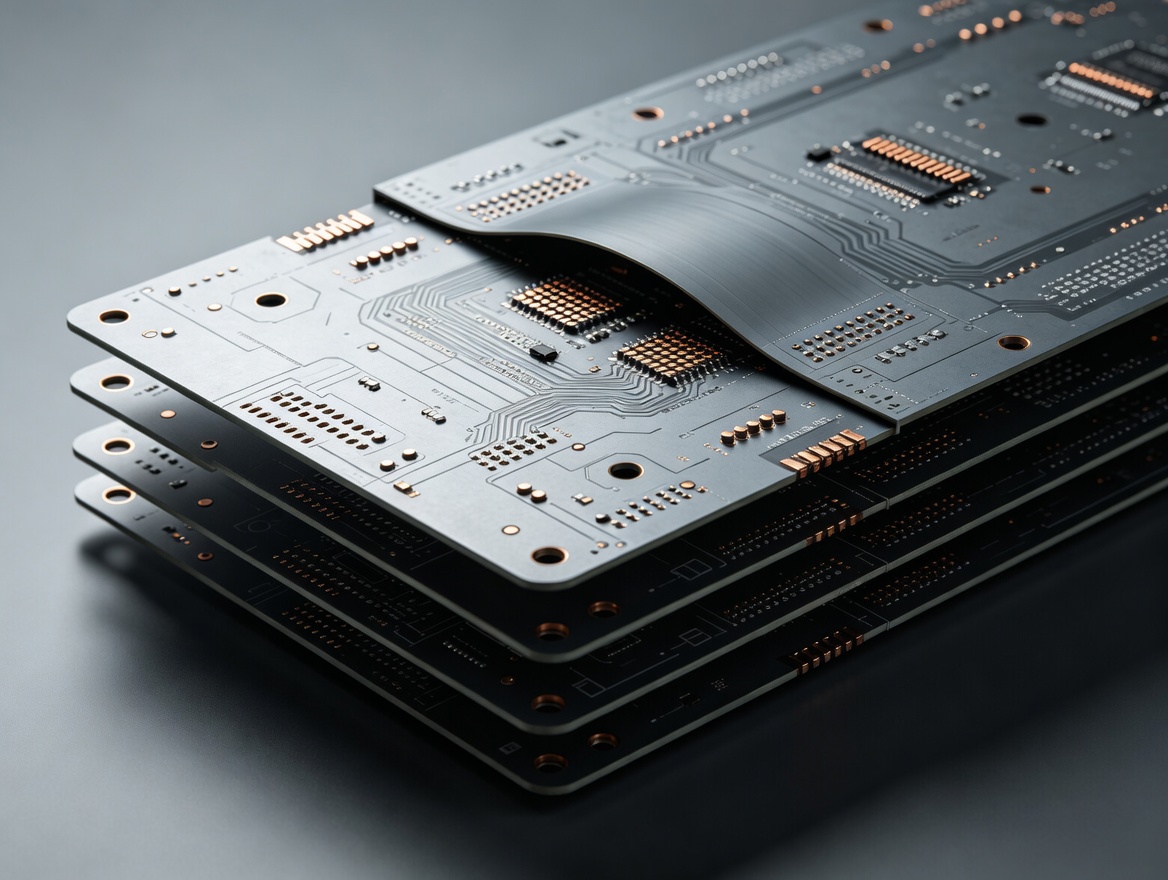
HDI Flex Rigid PCB Demand in Spain: Market Trends and Opportunities
Spain is one of Europe’s key industrial hubs, particularly in automotive manufacturing, renewable energy, and industrial automation. These sectors are driving the adoption of HDI rigid-flex PCB solutions for several reasons.
First, the automotive sector—especially with the transition toward electric mobility and advanced driver assistance systems (ADAS)—requires electronic systems that are both compact and highly reliable. HDI rigid-flex PCBs eliminate connectors and reduce wiring complexity, significantly improving durability in vibration-prone environments.
Second, Spain’s leadership in renewable energy, including solar and wind power, demands electronics that can withstand harsh environmental conditions. Rigid-flex designs reduce failure points and enhance long-term reliability, making them ideal for outdoor and industrial applications.
Third, the rise of Industry 4.0 and smart manufacturing in Spain has increased the need for high-density, high-speed electronic systems. HDI technology supports these requirements by enabling higher circuit density and improved signal performance.
From a procurement standpoint, Spanish buyers are increasingly focusing on total cost of ownership rather than just initial pricing. Factors such as product lifecycle, reliability, compliance with EU regulations (RoHS, REACH), and supplier stability are now central to decision-making.
What Is HDI Flex Rigid PCB and Why It Matters
HDI flex rigid PCB is an advanced circuit solution that integrates rigid PCB layers with flexible substrates while incorporating high-density interconnect features. These include microvias, blind and buried vias, and fine trace geometries that allow for significantly higher wiring density.
The flexible portion, typically made from polyimide materials, provides excellent bending capability and mechanical resilience. The rigid sections, usually constructed from FR4 or high-Tg materials, provide structural support and stable platforms for component mounting.
This hybrid structure enables three-dimensional circuit design, allowing engineers to optimize space and reduce the need for connectors, cables, and solder joints. As a result, the overall system becomes lighter, more compact, and more reliable.
For Spanish engineers, the importance of this technology lies in its ability to enable innovation. Whether in automotive electronics, medical devices, or telecommunications infrastructure, HDI rigid-flex PCBs provide the design flexibility and performance required for next-generation products.
Additionally, HDI technology improves signal integrity by reducing via lengths and enabling better impedance control. This is particularly important for high-frequency and high-speed applications such as 5G and IoT systems.
How Spanish Engineers and Procurement Teams Choose HDI PCB Suppliers
Selecting the right HDI flex rigid PCB supplier is a complex process that involves both technical evaluation and strategic considerations. Spanish engineers and procurement teams typically assess suppliers based on the following key factors:
1. Advanced Manufacturing Capability
Suppliers must demonstrate expertise in HDI processes such as laser drilling, microvia formation, sequential lamination, and fine-line etching. These capabilities directly affect the performance and reliability of the final product.
2. Material Quality and Compliance
High-quality materials, including polyimide and high-Tg substrates, are essential for ensuring thermal stability and durability. Compliance with European standards such as RoHS and REACH is mandatory.
3. Quality Assurance and Testing
Reliable suppliers implement rigorous quality control processes, including Automated Optical Inspection (AOI), X-ray inspection, and thermal cycling tests. These measures are critical for applications in automotive, aerospace, and industrial sectors.
4. Lead Time and Delivery Reliability
Fast prototyping (typically 3–7 days) and consistent delivery schedules are crucial. Delays can significantly impact project timelines and product launches.
5. Engineering Support and DFM Optimization
Suppliers that offer Design for Manufacturing (DFM) support help customers optimize designs, reduce costs, and improve production yields. This collaborative approach is highly valued by Spanish engineering teams.
6. Cost Transparency and Long-Term Value
Rather than focusing solely on unit price, Spanish buyers evaluate the overall value, including reliability, lifecycle cost, and supplier partnership potential.
In this context, companies like BestFPC stand out by combining advanced HDI capabilities, strict quality standards (IPC Class 3), and strong engineering support tailored to global customers.
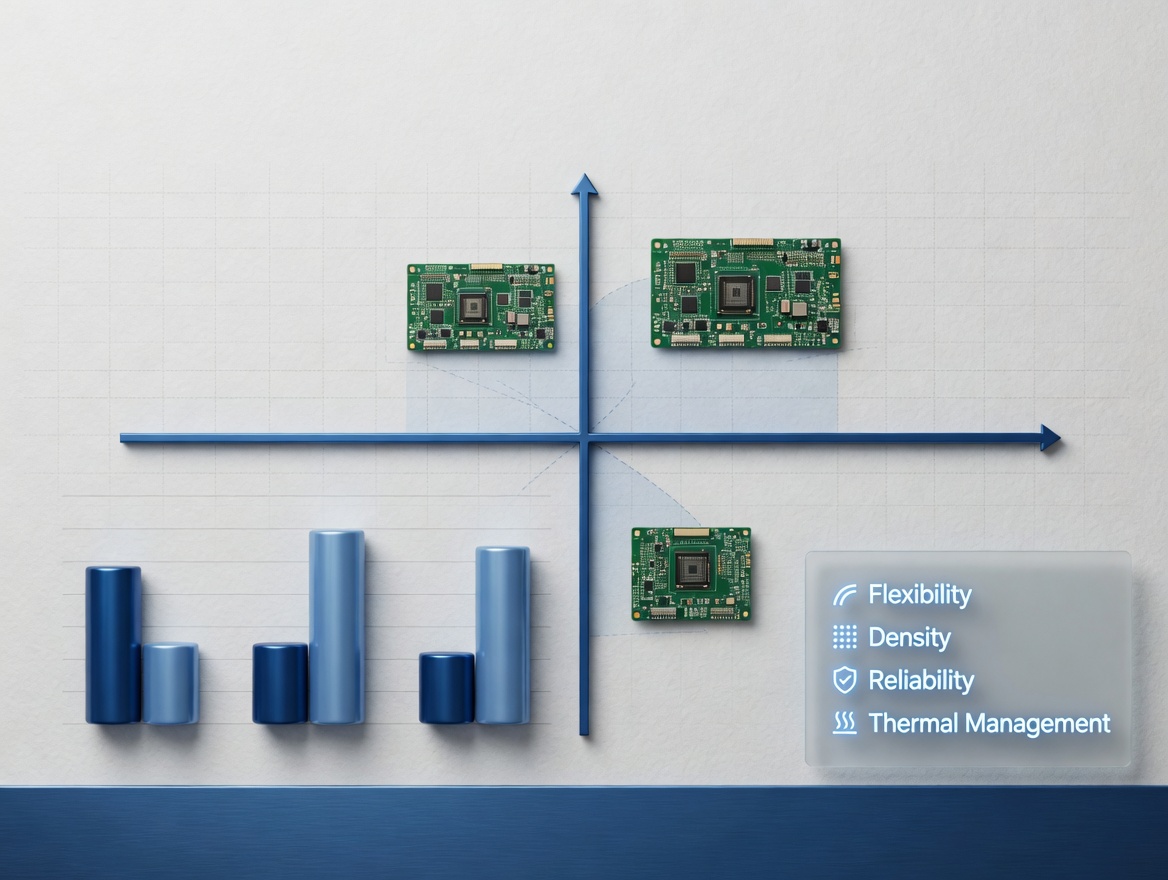
HDI Flex Rigid PCB Cost vs Performance: A Strategic Perspective
One of the most common concerns among procurement teams is the higher upfront cost of HDI flex rigid PCBs compared to traditional PCB solutions. However, this perspective often overlooks the broader economic benefits.
The higher cost is primarily driven by advanced materials, precision manufacturing processes, and tighter tolerances. HDI fabrication involves multiple lamination cycles, laser drilling, and complex quality control procedures.
Despite these factors, HDI rigid-flex PCBs offer significant long-term advantages:
- Reduced assembly complexity due to fewer connectors and cables
- Lower failure rates and maintenance costs
- Improved electrical performance and signal integrity
- Enhanced product miniaturization and weight reduction
For Spanish industries such as automotive and industrial automation, these benefits translate into longer product lifecycles, reduced warranty costs, and improved market competitiveness.
Therefore, HDI rigid-flex PCBs should be viewed not as a cost increase, but as a strategic investment in product performance and reliability.
Key Applications of HDI Flex Rigid PCB in Spain
HDI flex rigid PCB technology is widely used across Spain’s most dynamic industries:
- Automotive: Electric vehicles, battery management systems, ADAS modules
- Industrial Automation: Robotics, control systems, smart sensors
- Medical Devices: Wearable health monitors, diagnostic equipment
- Telecommunications: 5G infrastructure and high-speed communication systems
These applications require high reliability, compact design, and resistance to environmental stress—all of which are enabled by HDI rigid-flex technology.
Why BestFPC Is a Trusted Partner for HDI Flex Rigid PCB
For companies in Spain seeking reliable HDI flex rigid PCB solutions, choosing the right partner is critical. BestFPC offers a comprehensive combination of technical expertise, manufacturing precision, and customer support.
Key advantages include:
- Advanced microvia and stacked via technology
- Compliance with IPC Class 3 quality standards
- Fast prototyping and scalable mass production
- Full engineering support from design to delivery
- Proven experience serving global markets
By focusing on quality, innovation, and customer collaboration, BestFPC helps Spanish companies achieve higher performance and reliability in their electronic products.
Frequently Asked Questions (FAQ)
What is the main advantage of HDI rigid-flex PCB?
The main advantage is its ability to combine high-density interconnect technology with flexible and rigid structures, enabling compact, reliable, and high-performance designs.
Why is HDI PCB more expensive than traditional PCB?
It involves advanced materials and complex manufacturing processes such as microvia drilling and multilayer lamination, which increase production costs.
Is HDI rigid-flex PCB suitable for automotive applications?
Yes. It offers excellent resistance to vibration, temperature variation, and mechanical stress, making it ideal for automotive systems.
How can I choose a reliable PCB supplier?
You should evaluate technical capability, quality standards, delivery reliability, and engineering support.
Conclusion: Turning Technology into Competitive Advantage
As Spain continues to advance in high-tech industries, the demand for reliable and high-performance electronic solutions will only increase. HDI flex rigid PCB technology provides a powerful foundation for innovation, enabling engineers to design more compact, efficient, and durable systems.
For procurement teams, the challenge is not just finding a supplier, but building a partnership that delivers long-term value. By choosing an experienced and reliable manufacturer like BestFPC, companies can reduce risk, improve product quality, and accelerate time-to-market.
If you are looking to optimize your next project with HDI flex rigid PCB solutions, now is the time to take action and collaborate with a trusted global partner.


.png)
.png)
.png)
.png)

.png)