


 2026-02-27
 BEST
BESTTable of Contents
- Understanding Halogen-Free FPC Production Standards in Europ
- Key Design and Production Requirements for Halogen-Free FPCs by 202
- European Industry Expectations for Halogen-Free FPC
- Engineering Challenges and Best Practices for Halogen-Free FPC Productio
- FAQ – Halogen-free FPC Production Standards in Europe 2026
- Why Choose BESTFPC for Halogen-Free FPC Projects
- Conclusion: Aligning Sustainability and High Performance in PCB Manufacturing
Understanding Halogen-Free FPC Production Standards in Europe
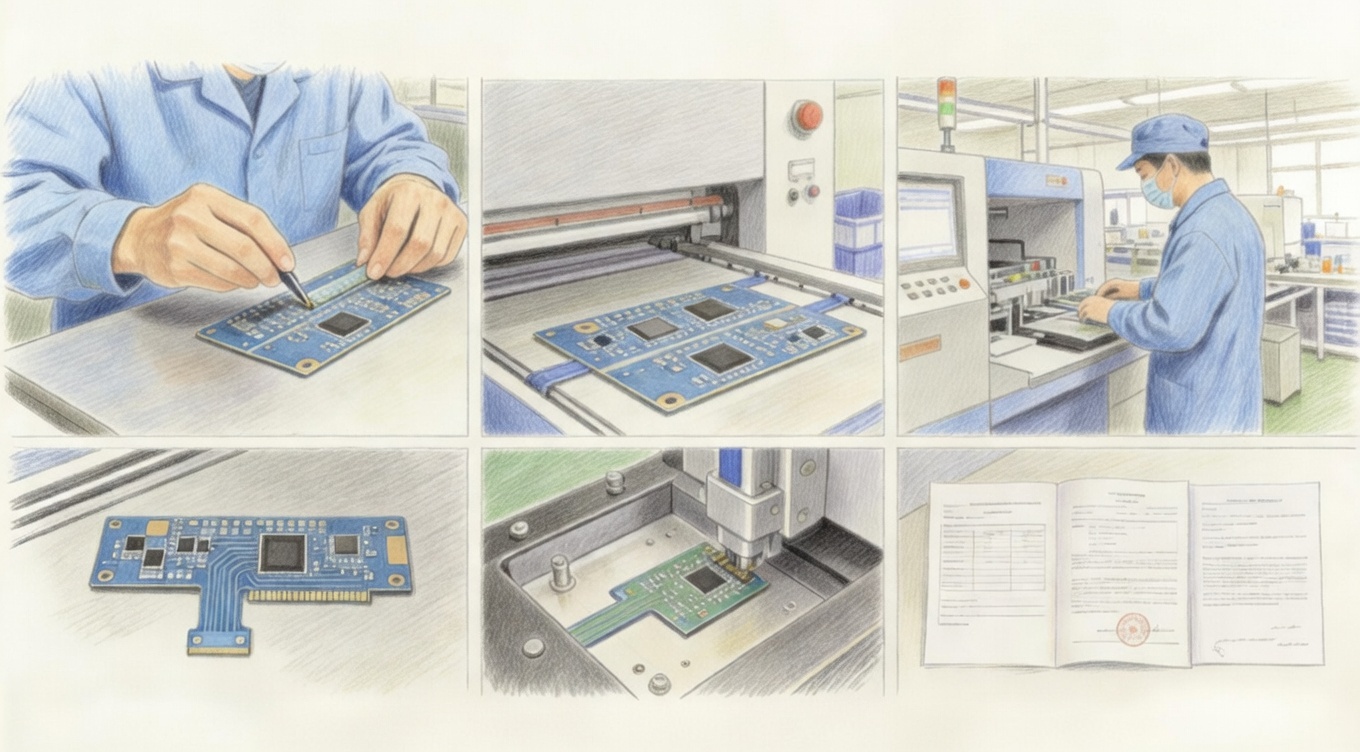
European regulators have increasingly emphasized environmental responsibility for electronic components, including printed circuit boards. A halogen-free Flexible Printed Circuit (FPC) specifically refers to a circuit board manufactured using materials that limit or eliminate halogens such as bromine (Br) and chlorine (Cl). These elements were traditionally used in flame retardants but pose environmental and health concerns due to toxic emissions during manufacturing, use, or disposal.
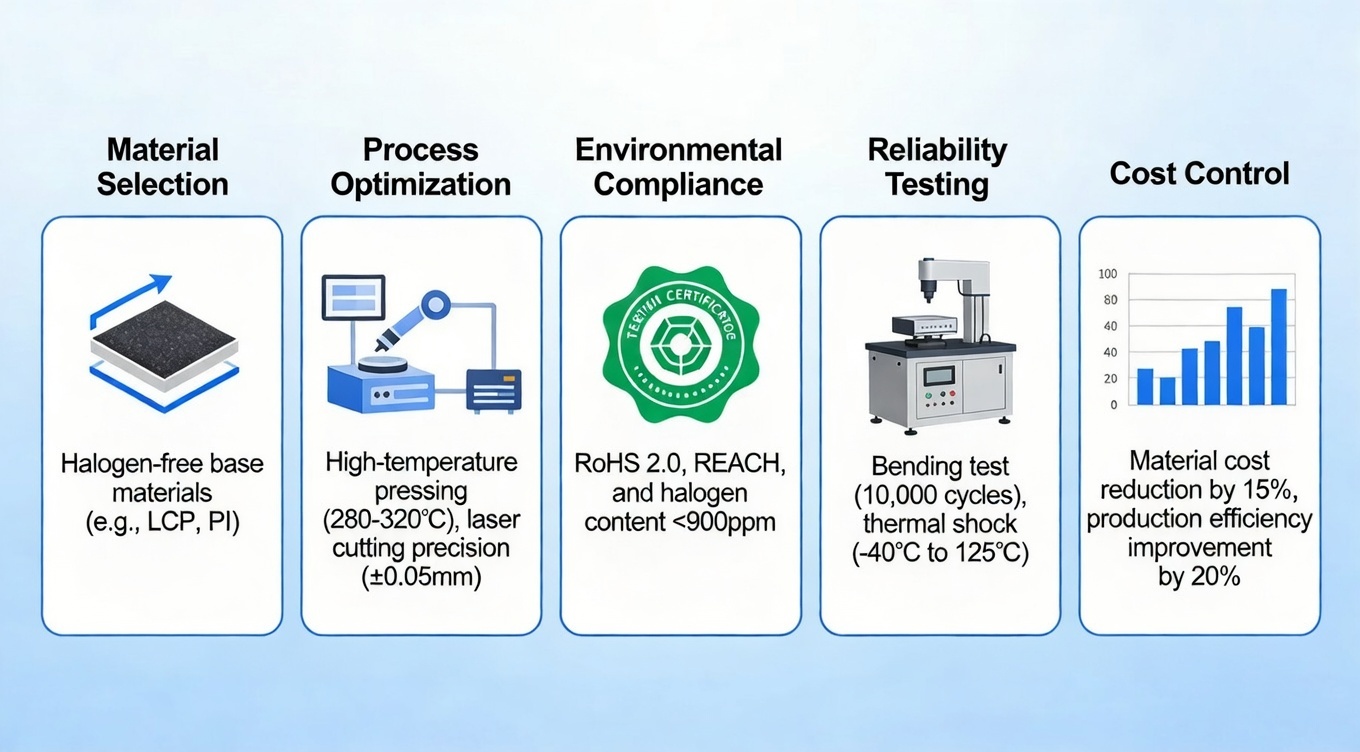
In Europe, halogen-free production aligns with major regulatory frameworks such as the EU RoHS Directive, REACH, and evolving eco-design mandates. These regulations target hazardous substances and encourage the use of safer alternatives. For flexible circuit boards, compliance means ensuring that total halogen content — often measured as Br + Cl — remains below strict thresholds (commonly <900 ppm or total halogens <1500 ppm) in finished materials.
What “Halogen-free” Means in PCB Manufacturing
A halogen-free FPC is typically produced using halogen-free laminates and bonding films to comply with internationally recognized material limits such as IEC 61249-2-21, which defines the maximum allowable halogen content in PCB laminates. Compliance often involves:
- Total bromine (Br) < 900 ppm
- Total chlorine (Cl) < 900 ppm
- Total halogen (Br + Cl) < 1500 ppm
These material restrictions reduce harmful emissions during combustion and align with Europe’s broader sustainability goals, including stricter waste treatment and reduced environmental impact.
Halogen-free FPCs are commonly achieved using advanced flame-retardant resin systems based on phosphorus or phosphorus-nitrogen chemistry, which can simultaneously retain flame resistance and maintain good dielectric and mechanical properties.
Core European Environmental Regulations
Europe’s most impactful regulatory frameworks include:
- RoHS (Restriction of Hazardous Substances) — Limits a suite of hazardous substances (including halogenated flame retardants) in electronic equipment.
- REACH (Registration, Evaluation, Authorization and Restriction of Chemicals) — Manages chemicals used in materials throughout their lifecycle.
- WEEE (Waste Electrical and Electronic Equipment Directive) — Requires responsible disposal and recycling of electronic waste.
Together, these directives push manufacturers toward halogen-free solutions to meet product compliance and end-of-life environmental standards, rising in importance by 2026 and beyond.
Key Design and Production Requirements for Halogen-Free FPCs by 2026
As halogen-free FPC demand grows in Europe, designers and manufacturers must prioritize key technical requirements to align with regulatory and performance expectations.
Material Composition and Testing Limits
Halogen-free production begins with material selection:
- Base Laminates: Must have low halogen content compliant with IEC 61249-2-21.
- Bonding Films & Coverlays: Halogen-free alternatives must offer comparable adhesion and thermal stability.
- Testing Methods: Chemical analysis (e.g., ion chromatography, XRF) verifies halogen content at or below specified limits.
In addition to chemical limits, high Tg ratings and thermal performance must be benchmarked, as halogen-free resins sometimes exhibit slightly different thermal behavior than traditional halogenated materials.
Manufacturing Process Controls
Halogen-free FPC production requires strict process controls because:
- Resin systems can flow differently during lamination, affecting layer uniformity.
- Drilling and etching of halogen-free materials may require adjusted chemistries to prevent undercut and maintain copper integrity.
- Inspection protocols like 100 % electrical test, AOI, and TDR verify final material integrity and signal performance.
Manufacturers targeting Europe often adopt advanced imaging (e.g., laser direct imaging) and automated inspection tools to maintain quality while ensuring compliance.
Verification and Traceability
Traceability — documentation of material batches, process parameters, and test results — becomes increasingly important for European buyers. This ensures products not only meet material and regulatory standards but also support audit processes for safety-critical applications.
Linking to high-interaction internal pages such as “FPC Materials Guide” or “PCB Quality Standards” can improve relevance signals through Google Search Console.
European Industry Expectations for Halogen-Free FPCs
Various European sectors have specific requirements that shape halogen-free FPC production standards. Below are some of the key industries driving demand and technical expectations:
Automotive & E-Mobility Standards
In the European automotive sector — especially with the rise of electrification and ADAS — halogen-free materials are increasingly mandated by OEM sustainability policies. FPCs in battery management systems and powertrain modules must minimize environmental impact while maintaining thermal and mechanical reliability under vibration and thermal cycling.
Renewable Energy & Power Electronics
Renewable systems such as solar inverters and wind turbine controllers operate in harsh environments where long-term reliability is expected. Halogen-free FPCs help meet the sustainability profiles of clean energy projects, aligning with European Green Deal goals and reducing toxic emissions during manufacturing and failure events.
Medical Device Compliance
Medical electronics in Europe often require documentation of materials and process compliance for clinical safety reviews. Halogen-free FPCs reduce toxic risk in case of fire or thermal fault and support regulatory filings under MDR (Medical Device Regulation) systems.
Industrial Automation & Telecommunications
Industrial systems and telecom infrastructure often demand lifecycle spans of 10+ years. Halogen-free designs with robust dielectric properties and stable performance across temperature extremes are increasingly specified, supported by compliance with IEC and EN safety standards.
In each of these sectors, halogen-free FPC standards are not just an environmental choice — they are increasingly a technical requirement for long-term reliability and compliance.
Engineering Challenges and Best Practices for Halogen-Free FPC Production
Producing high-quality halogen-free FPCs requires thoughtful engineering decisions:
Material Selection and Performance Trade-offs
Halogen-free resins may demonstrate different cure behavior and CTE compared to halogenated systems. Designers must balance:
- Thermal stability (e.g., Tg, Td)
- Dielectric performance at target signal speeds
- Adhesion between layers
Selecting materials with optimized phosphorus or nitrogen flame-retardant chemistries ensures compliance without sacrificing performance.
Impedance & High-Speed Considerations
For high-speed designs (e.g., 10–25 Gbps links), halogen-free materials must support controlled impedance with minimal loss. Designers should simulate stack-ups and verify with test methods like TDR to ensure stable channel performance.
Reliability Under Thermal / Moisture Stress
Halogen-free boards must still meet reliability expectations under cyclic temperature and moisture exposure. Process steps like pre-bake, controlled lamination, and post-process drying ensure moisture content remains low, aiding in long-term performance.
FAQ – Halogen-free FPC Production Standards in Europe 2026
Q1: What defines a halogen-free FPC in European production?
A halogen-free FPC uses materials where total bromine and chlorine content each remain below defined thresholds (e.g., Br + Cl <900 ppm), aligning with standards like IEC 61249-2-21.
Q2: Why is halogen-free production important for European automotive projects?
European OEMs increasingly mandate halogen-free materials to meet sustainability goals and reduce toxic emissions in manufacturing and end-of-life scenarios.
Q3: Do halogen-free materials affect board performance?
Modern halogen-free laminates can match traditional boards in thermal and dielectric properties when properly specified, supporting high-speed and high-reliability applications.
Why Choose BESTFPC for Halogen-Free FPC Projects
BESTFPC offers comprehensive production capabilities to meet the stringent halogen-free standards required by European markets:
- Expertise in halogen-free material selection and stack-up engineering
- Advanced manufacturing with stringent process controls and inspection
- Documentation support for RoHS, REACH, and IEC compliance
- Engineering collaboration for high-speed and reliability-critical designs
By integrating environmental compliance and robust engineering support, BESTFPC helps European customers navigate technical requirements while ensuring PCB performance and delivery reliability.
Conclusion – Aligning Sustainability and High Performance in PCB Manufacturing
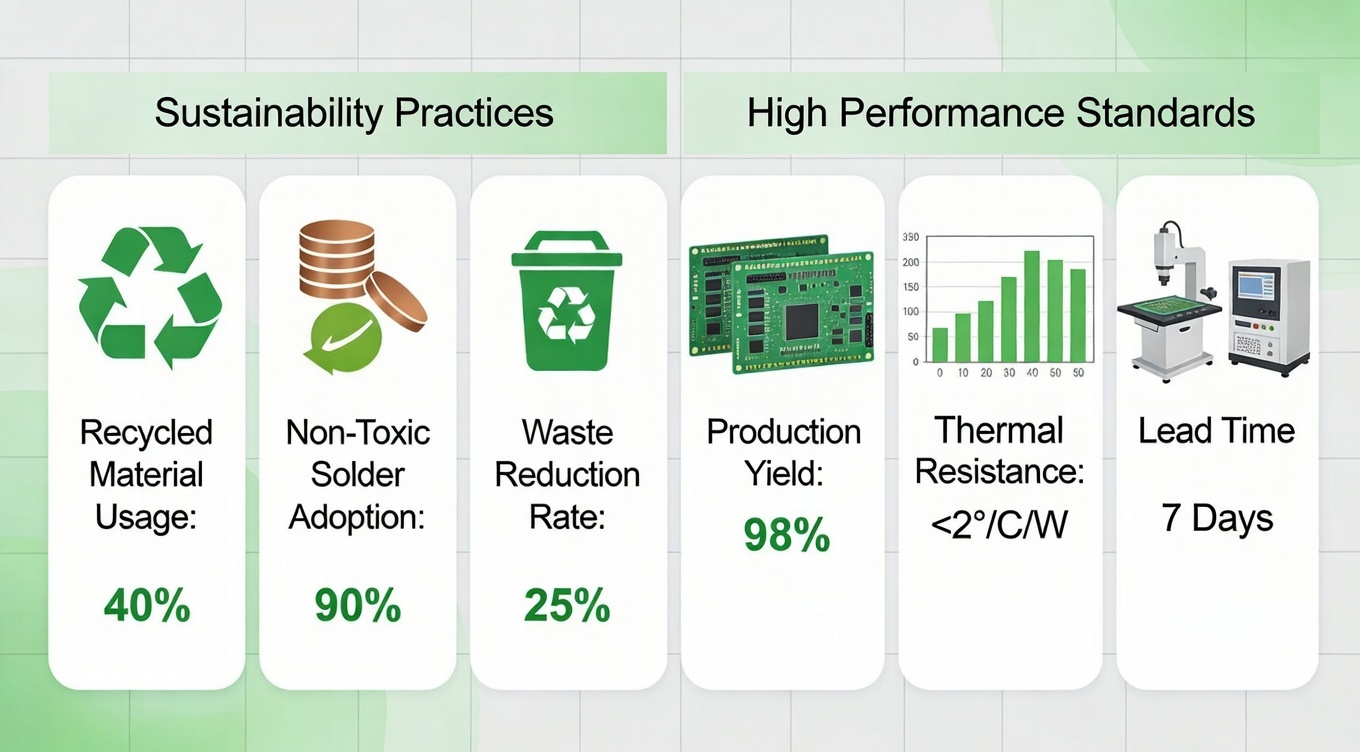
Halogen-free FPC production standards represent the evolving intersection of environmental responsibility and advanced electronic performance in Europe. As regulatory mandates mature by 2026, designers and manufacturers must adopt halogen-free practices that meet both sustainability expectations and demanding technical performance criteria.
Whether for automotive electrification, renewable energy systems, medical electronics, or industrial infrastructure, halogen-free flexible PCBs are emerging as a core requirement. Partnering with a supplier like BESTFPC, who understands both the technical nuances and compliance landscape, provides European buyers with the confidence to build sustainable and high-performance electronics.


.png)
.png)
.png)
.png)

.png)