


 2026-01-27
 BEST
BESTTable of Contents
- What Is FPC Reliability Testing—and Why It Matters in the USA
- Core Reliability Testing Standards & Methods for Flexible PCB
- Key Industries in the USA Where FPC Reliability Is Non-Negotiable
- How to Evaluate FPC Reliability Test Data When Selecting a Supplier
- Long-Tail Keywords Driving US-Market Visibility
- Why BESTFPC Is a Trusted Partner for FPC Reliability Testing
- Conclusion: Reducing Risk Through Proven FPC Reliability
What Is FPC Reliability Testing—and Why It Matters in the USA
FPC reliability testing refers to a comprehensive verification process designed to confirm that flexible printed circuits can maintain electrical, mechanical, and structural integrity throughout their intended service life. Unlike basic electrical testing, which only verifies initial functionality, reliability testing evaluates how an FPC behaves under prolonged mechanical stress, environmental exposure, and thermal cycling. For the US electronics market, this distinction is critical.
In the United States, flexible PCBs are widely used in high-value, high-liability products such as automotive electronics, medical devices, aerospace systems, and industrial automation equipment. These products are expected to operate reliably for years, often under harsh conditions involving vibration, heat, humidity, and repeated flexing. A failure in the field can result in safety risks, regulatory penalties, product recalls, and severe brand damage.
As a result, US OEMs and EMS companies increasingly require documented FPC reliability testing aligned with IPC standards and industry best practices. Reliability data is no longer optional supporting material—it is a core qualification requirement used to approve suppliers, validate designs, and mitigate lifecycle risk. A manufacturer’s ability to conduct, document, and continuously improve reliability testing directly influences purchasing decisions and long-term supplier relationships.
Core Reliability Testing Standards & Methods for Flexible PCBs
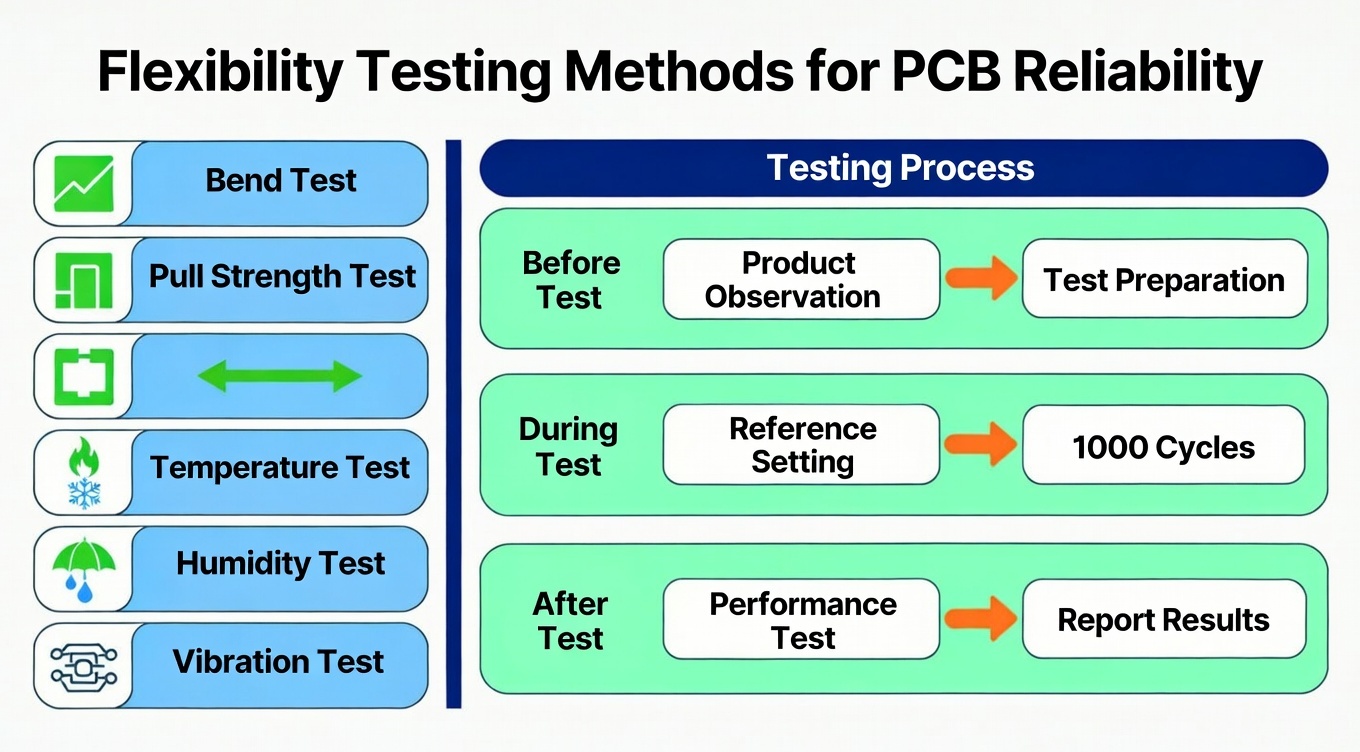
FPC reliability is evaluated through multiple categories of testing, each targeting specific failure mechanisms. In the US market, these tests are typically aligned with IPC-6013, IPC-TM-650, and application-specific requirements.
Electrical & Functional Reliability Testing
Electrical reliability testing verifies that conductive paths remain stable and insulated under stress. Core tests include continuity testing to confirm uninterrupted signal paths and isolation resistance testing to ensure no unintended short circuits occur. These tests are performed not only at initial inspection but also after environmental and mechanical stress exposure.
Functional testing applies real operating voltages, currents, and signal patterns to validate that the FPC performs as intended in an actual circuit environment. For US buyers, functional reliability testing is particularly important in high-speed, safety-critical, or power-sensitive applications, where minor electrical instability can cause system-level failures.
Mechanical Durability & Flex Life Testing
Mechanical reliability is central to flexible circuit performance. Dynamic flex testing subjects FPCs to repeated bending cycles that simulate real-world motion, such as hinge movement, vibration, or wearable device operation. Resistance changes, cracking, or delamination are monitored throughout the test.
Static bend testing evaluates the FPC’s ability to maintain integrity under sustained bending conditions. Peel strength testing measures the adhesion between copper conductors and the flexible substrate, a critical indicator of long-term durability. In US automotive and industrial applications, mechanical failure is one of the most common causes of field returns, making these tests essential.
Environmental & Accelerated Stress Testing
Environmental reliability testing exposes FPCs to extreme temperature, humidity, and rapid thermal transitions. Thermal cycling alternates between low and high temperatures to induce material expansion and contraction, revealing fatigue-related failures. Thermal shock testing accelerates this process by rapidly transferring samples between temperature extremes.
Humidity testing evaluates insulation resistance and corrosion behavior under high moisture conditions, which is especially relevant for outdoor, medical, and industrial equipment in the US market. Highly Accelerated Life Testing (HALT) goes further by pushing FPCs beyond normal operating limits to identify design and process weaknesses early in development.
Material, Adhesion & Insulation Reliability
Material reliability testing focuses on the long-term stability of substrates, adhesives, and coverlays. Thermal aging tests evaluate how bonding strength changes after prolonged heat exposure. Surface insulation resistance testing and high-potential (Hi-Pot) testing verify that insulating materials maintain dielectric integrity under voltage stress.
These tests are particularly important for applications where failure could result in electrical leakage, signal interference, or safety hazards. US buyers often request detailed material reliability data as part of supplier audits and compliance documentation.
Key Industries in the USA Where FPC Reliability Is Non-Negotiable
Automotive Electronics
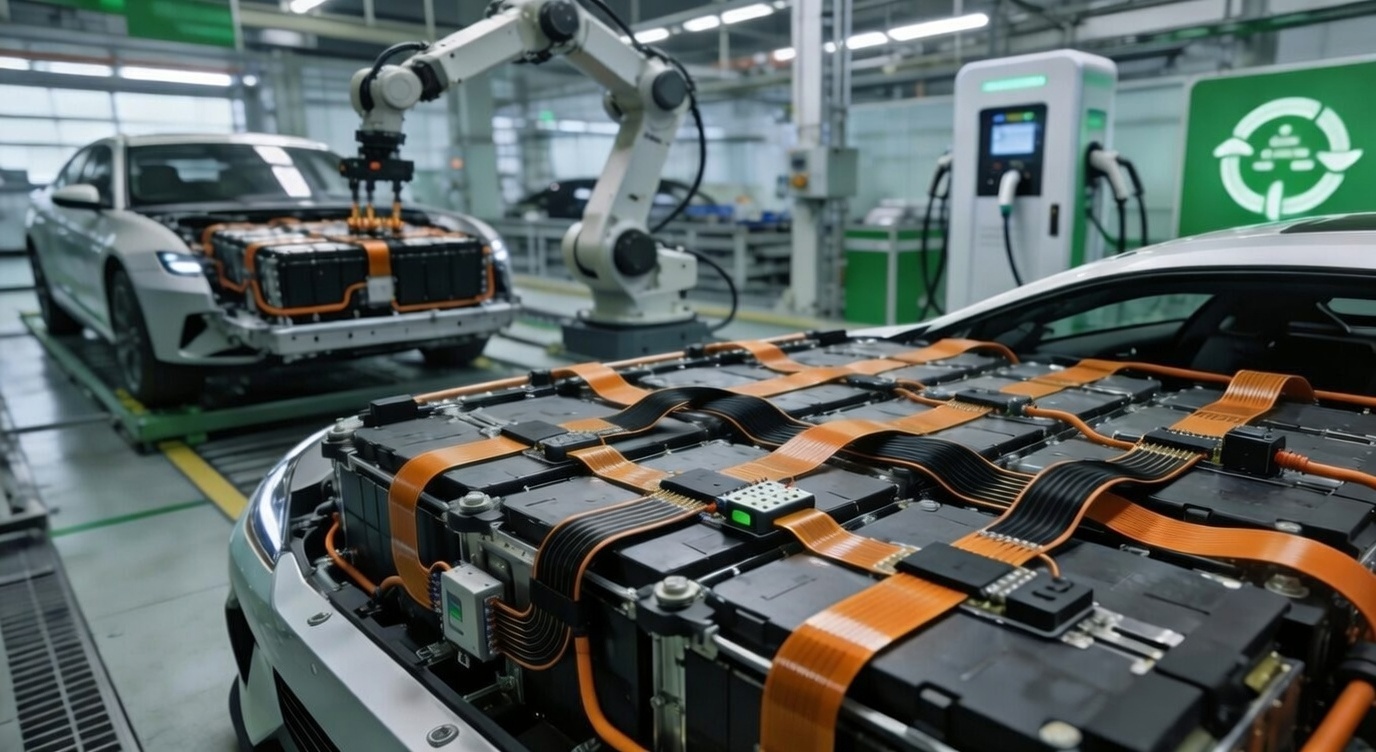
Modern vehicles rely on flexible circuits for infotainment systems, ADAS modules, battery management systems, and sensor networks. These applications experience continuous vibration, temperature fluctuations, and long service lifetimes. Automotive OEMs in the USA require FPC reliability testing that demonstrates mechanical endurance, thermal stability, and electrical consistency under real driving conditions.
Aerospace & Defense Systems
Aerospace and defense electronics demand the highest levels of reliability. Flexible circuits used in avionics, communication systems, and control modules must withstand extreme temperatures, mechanical shock, and long operational cycles. Reliability testing often extends beyond standard IPC requirements and includes customized environmental and mechanical profiles.

Medical Devices
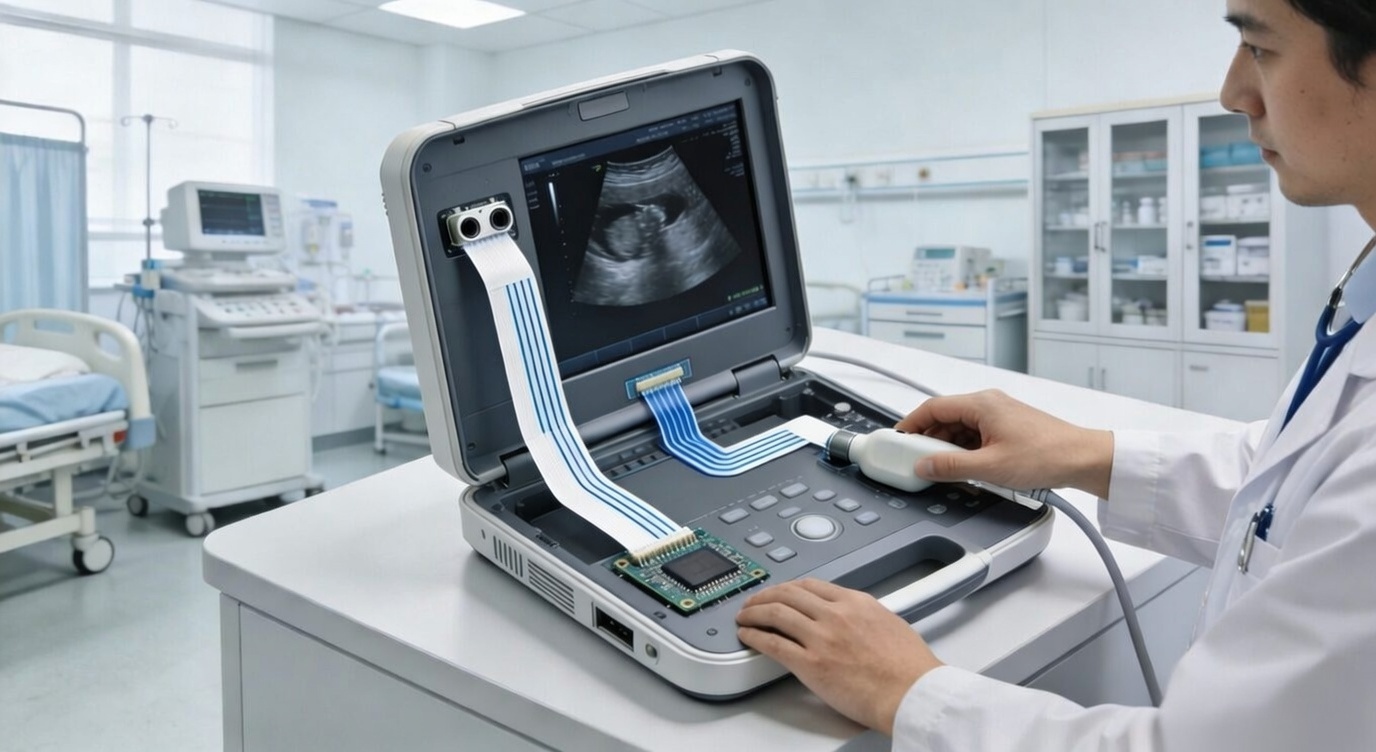
Medical electronics require absolute reliability to ensure patient safety and regulatory compliance. FPCs used in diagnostic equipment, monitoring devices, and wearable medical systems must demonstrate stable performance over extended periods. Comprehensive reliability testing supports FDA submissions and risk management processes.
Industrial Automation & Robotics
In industrial environments, flexible circuits are exposed to vibration, dust, moisture, and continuous operation. Reliability testing validates that FPCs can maintain performance in factories, control cabinets, and robotic systems, reducing downtime and maintenance costs for US manufacturers.
How to Evaluate FPC Reliability Test Data When Selecting a Supplier
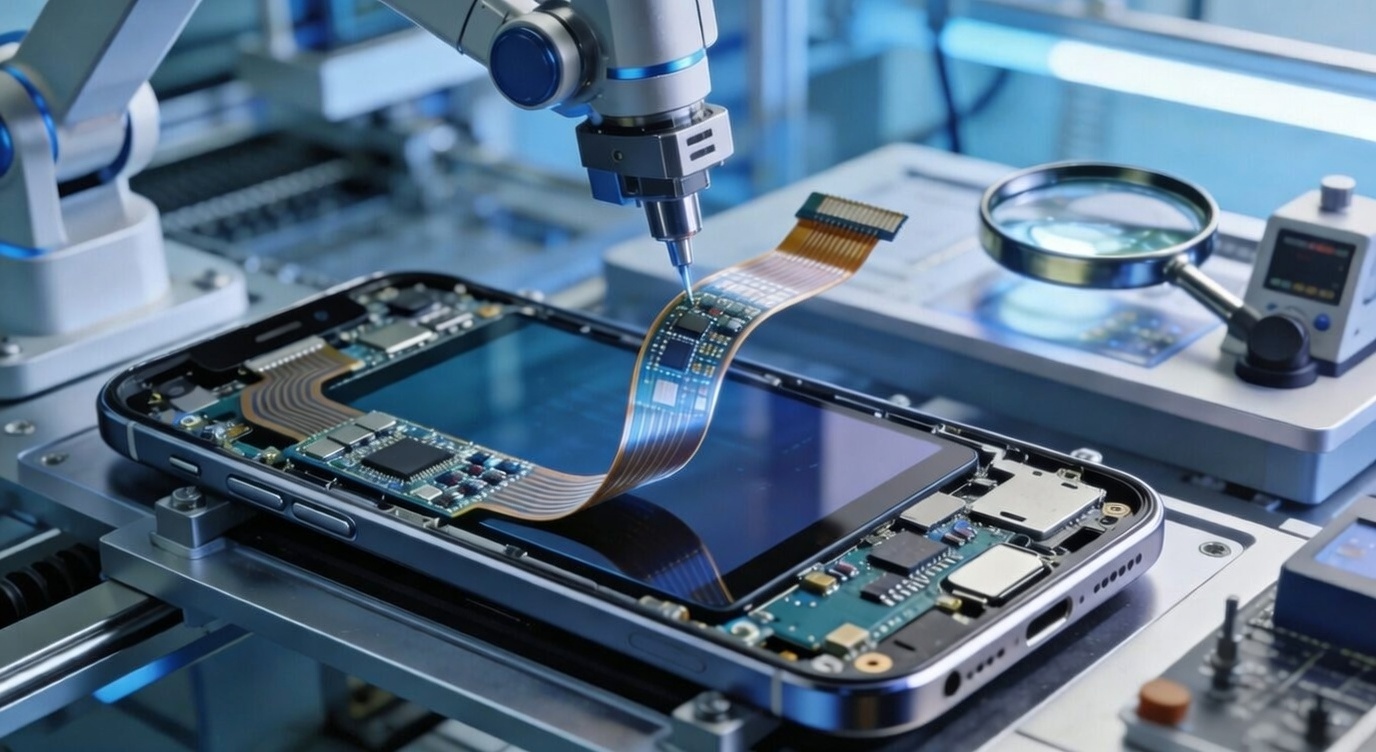
When choosing an FPC supplier, US buyers should look beyond marketing claims and focus on measurable reliability evidence. Complete test reports with batch traceability are essential, allowing engineers to correlate test data with production lots.
Suppliers should demonstrate repeatable testing processes and, where possible, third-party or independent validation. The ability to customize reliability testing based on specific application conditions—such as extended thermal cycling or vibration profiles—indicates a mature quality system.
Equally important is transparency. Reliable suppliers openly share test methodologies, acceptance criteria, and corrective action processes, enabling customers to assess risk objectively.
Long-Tail Keywords Driving US-Market Visibility
To increase search exposure and capture qualified traffic, this article integrates long-tail search terms such as:
- FPC reliability testing standards USA electronics
- Flexible PCB mechanical durability testing
- IPC-6013 flex circuit qualification
- Environmental stress testing flexible PCB
- High-reliability FPC manufacturing USA
These terms reflect how US engineers and procurement teams search for reliability-focused suppliers.
Why BESTFPC Is a Trusted Partner for FPC Reliability Testing
BESTFPC integrates reliability-focused manufacturing controls, testing-ready processes, and detailed documentation to meet US market expectations. Our approach emphasizes preventive quality engineering, ensuring potential failure mechanisms are identified and addressed early.
Through structured process control, material qualification, and application-oriented reliability planning, BESTFPC supports customers in automotive, medical, industrial, and high-reliability electronics sectors. Internal quality systems are aligned with IPC standards, and reliability data can be provided to support supplier qualification and project approval.
Strategic internal resources such as FPC quality control documentation, testing capability overviews, and industry-specific application pages help customers quickly evaluate our technical readiness and reliability commitment.
Conclusion: Reducing Risk Through Proven FPC Reliability
For US-market electronics, FPC reliability testing is a critical foundation for product safety, performance, and brand trust. Understanding testing methods, industry expectations, and supplier evaluation criteria empowers buyers to make informed decisions.
By partnering with a manufacturer that prioritizes reliability testing and transparent quality systems, US companies can reduce lifecycle risk, improve product performance, and accelerate market success. BESTFPC stands ready to support these goals with reliability-driven flexible PCB solutions.


.png)
.png)
.png)
.png)

.png)