


 2026-03-19
 BEST
BEST
Table of Contents
As augmented reality (AR) glasses rapidly evolve, ultra-thin rigid-flex PCBs are becoming essential for compact, lightweight, and high-performance wearable devices. In the Middle East, especially UAE and Saudi Arabia, demand is rising due to smart city initiatives and industrial AR deployment.
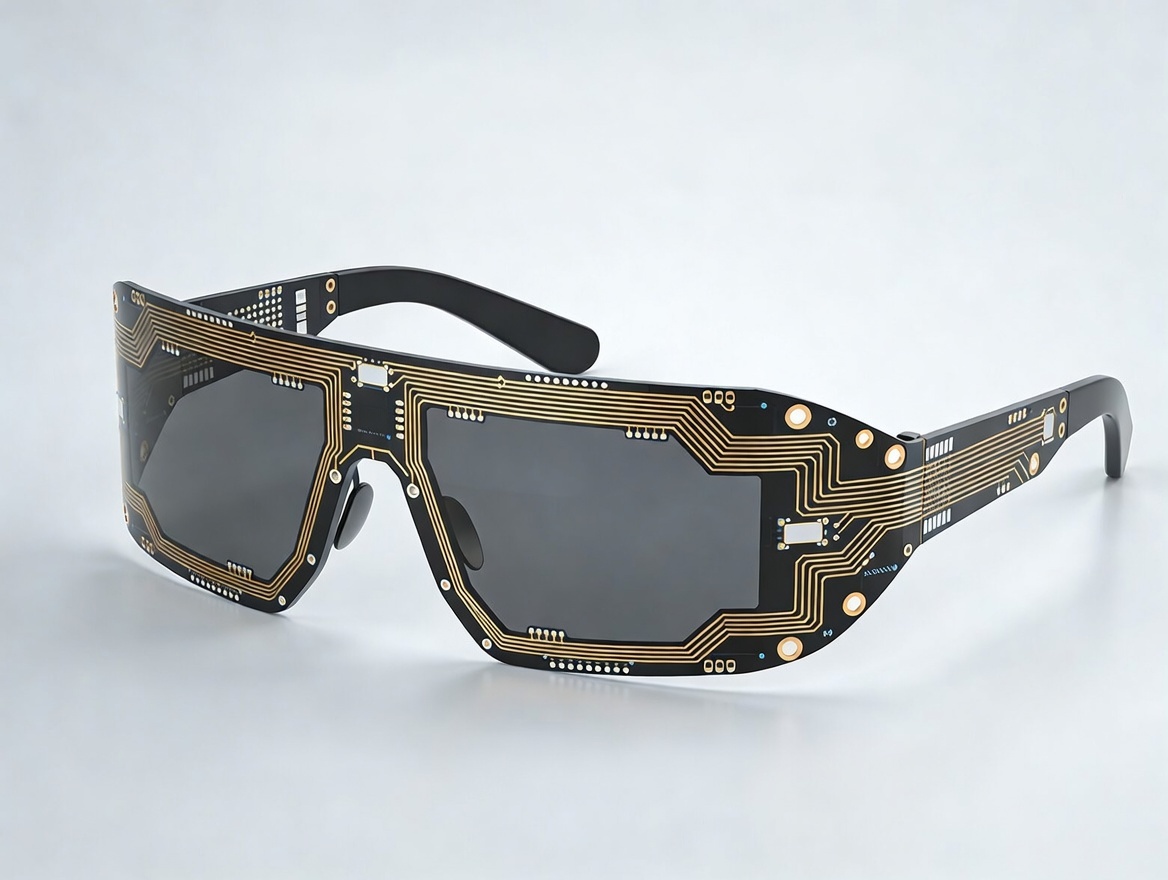
1. Why Ultra-thin Rigid-Flex PCBs Are Critical for AR Glasses
Engineering Solution
BESTFPC recommends integrating multi-layer rigid-flex structures to reduce connectors and improve reliability. This approach minimizes signal loss while enhancing mechanical flexibility.
1.1 Space Constraints
Flexible circuits enable bending around frames, solving space limitations in AR glasses.
1.2 Signal Integrity
Controlled impedance ensures stable high-speed data transmission for displays and sensors.
1.3 Weight Reduction
Ultra-thin boards below 0.2mm significantly enhance comfort for long-term wear.
2. Engineering Design Specifications for Ultra-thin Rigid-Flex
Engineering Solution
We recommend adhesiveless PI materials combined with rolled annealed copper to maximize flexibility and durability.
2.1 Stack-up Design
Typical designs include 2-layer flex + 2-layer rigid configurations with microvias.
2.2 Material Selection
Modified PI materials improve thermal resistance and reliability.
2.3 Dynamic Flex Life
Designs should exceed 100,000 bending cycles for wearable reliability.
3. Manufacturing Challenges and Solutions for Middle East Market
Engineering Solution
BESTFPC uses high-Tg materials and protective coatings to withstand high temperatures and humidity conditions common in Middle Eastern environments.
3.1 Certifications
IPC-6013 and ISO compliance ensure consistent quality.
3.2 Reliability Testing
Thermal cycling and humidity tests guarantee long-term performance.
3.3 Supply Chain
Efficient logistics reduce lead times and ensure stable delivery.
4. BESTFPC Engineering Solutions for AR Applications
Engineering Solution
We provide DFM feedback within 12 hours to optimize designs before production.
4.1 HDI Capability
Laser drilling supports microvias below 75μm.
4.2 Prototyping
Explore our services: Rigid-Flex PCB | Flexible PCB Prototype
4.3 Cost Optimization
Panelization strategies reduce manufacturing costs by up to 25%.
5. Market Trends in the Middle East AR Industry
Engineering Solution
Future-ready PCB designs should allow scalability for additional sensors and modules.
5.1 UAE & Saudi Growth
Government initiatives are accelerating wearable technology adoption.
5.2 Industrial AR
Applications include maintenance, logistics, and workforce training.
5.3 Future Demand
Ultra-thin flexible electronics demand is expected to surge by 2030.
6. How to Choose the Right Supplier
Engineering Solution
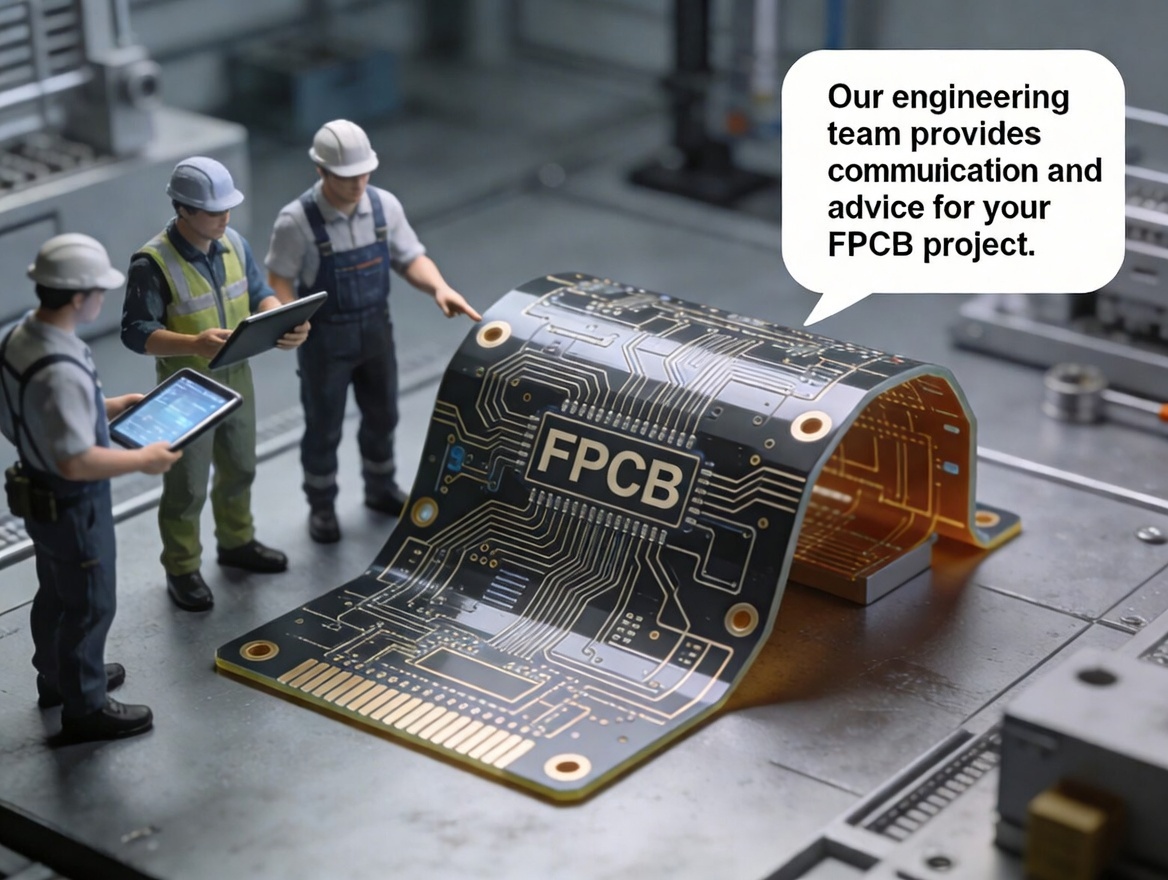
Choose suppliers offering early-stage engineering collaboration and DFM support.
6.1 Technical Capability
Ensure HDI capability and ultra-thin manufacturing experience.
6.2 Compliance
Verify IPC and ISO certifications.
6.3 Engineering Support
Real-time feedback reduces development cycles.


.png)
.png)
.png)
.png)

.png)