


 2026-03-14
 BEST
BESTTable of Contents
- What Is FPCB Overmolding and Why It Matters
- FPCB Overmolding Manufacturing Process Explained
- Key Materials Used in FPCB Overmolding
- Engineering Challenges in Flexible PCB Overmolding
- Industry Applications of Overmolded FPCB in the UK
- Key Design Factors for Successful Overmolded Flex PCB Products
- FAQ: Flexible PCB Overmolding
- Why BESTFPC Is a Reliable Partner for FPCB Overmolding Projects
- Conclusion
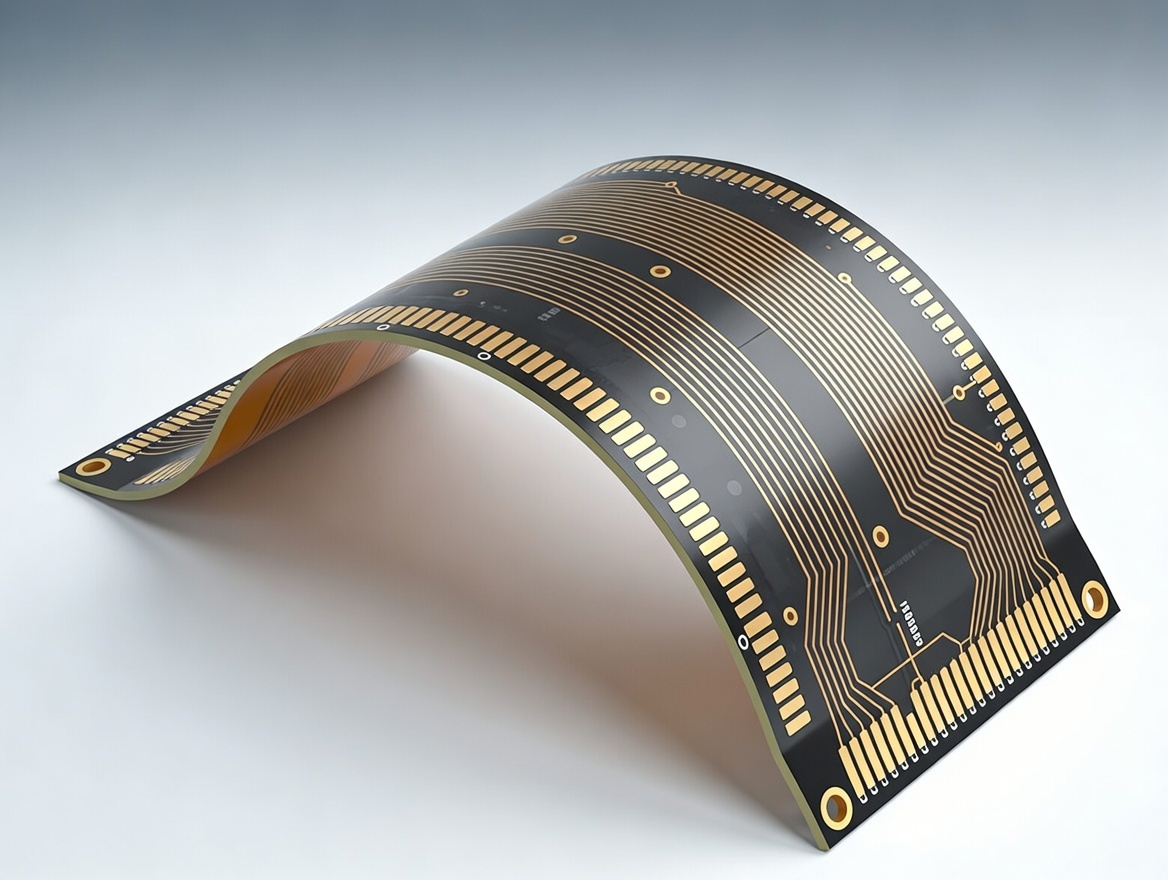
What Is FPCB Overmolding and Why It Matters
Flexible printed circuit boards (FPCBs) have become essential components in modern electronics because they allow compact circuit integration, lightweight structures, and improved mechanical flexibility. However, as electronic products become more complex and are used in harsher environments, protecting flexible circuits from mechanical damage, moisture, vibration, and contamination becomes increasingly important. This is where FPCB overmolding technology plays a critical role.
FPCB overmolding refers to the process of encapsulating a flexible circuit using a thermoplastic or thermoset material through injection molding. The molded material forms a protective layer around the circuit and its components, creating a durable and integrated structure. This process transforms a delicate flexible circuit into a robust electronic module that can withstand mechanical stress and environmental exposure.
In modern electronic devices, overmolding offers several advantages compared with traditional PCB protection methods such as conformal coating or mechanical housings. First, overmolding provides superior sealing against dust, humidity, and liquids. Second, the molded structure improves strain relief at connector interfaces, reducing the risk of conductor breakage. Third, overmolding enables designers to integrate mechanical features such as mounting clips, cable guides, and sealing structures directly into the molded part.
For manufacturers in the United Kingdom, these advantages are particularly valuable in industries such as automotive electronics, medical devices, and industrial automation. Many electronic products must meet strict reliability standards while operating in demanding environments. Overmolded FPCBs help achieve these requirements by combining electrical functionality with mechanical durability.
Another benefit of overmolding is design integration. Instead of assembling multiple components—such as PCB, connector housing, and protective casing—engineers can integrate these functions into a single molded structure. This reduces assembly complexity, lowers manufacturing costs, and improves product reliability.
As the UK electronics industry continues to develop advanced products in areas such as electric vehicles, wearable technology, and smart infrastructure, FPCB overmolding technology has become an increasingly important solution for achieving compact, reliable, and environmentally resistant electronic modules.
FPCB Overmolding Manufacturing Process Explained
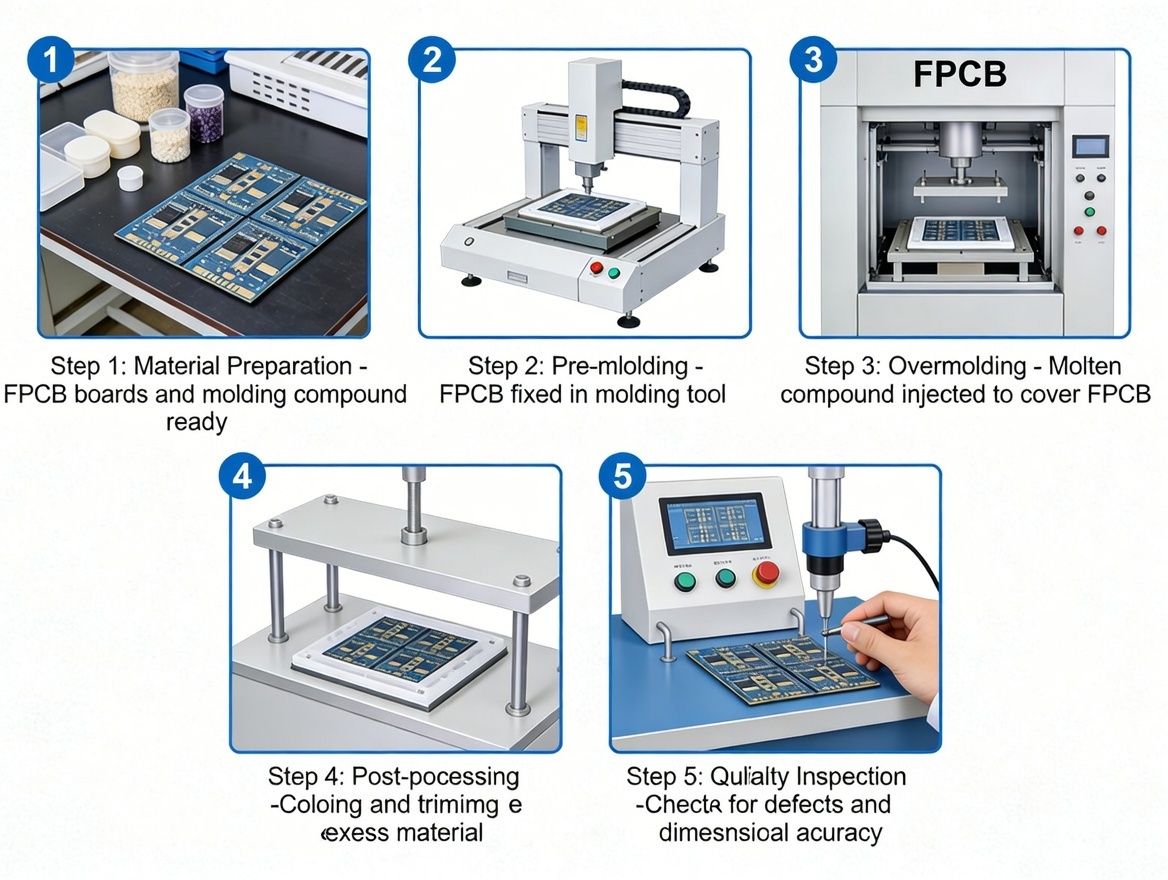
The FPCB overmolding process combines flexible circuit manufacturing with injection molding technology. Achieving reliable results requires careful coordination between PCB fabrication and molding design.
The process typically begins with the production of the flexible PCB. These circuits are usually manufactured using polyimide substrates and rolled annealed copper conductors, which provide excellent flexibility and thermal stability. After fabrication, components may be mounted onto the flexible circuit using surface mount technology if required.
Once the FPCB assembly is completed, the circuit is positioned within a specially designed injection mold. The mold must precisely support the flexible circuit while leaving selected areas exposed for connectors or electrical interfaces. Maintaining proper alignment is critical because any displacement during injection molding could damage the circuit or affect electrical connections.
Next, molten polymer material is injected into the mold cavity under controlled pressure and temperature conditions. Common materials include thermoplastic elastomers, polyamide, or thermoplastic polyurethane. These materials flow around the flexible circuit and encapsulate it, forming a protective structure once the material cools and solidifies.
Temperature management during overmolding is particularly important. Flexible circuits contain copper traces and electronic components that can be sensitive to excessive heat. Engineers must ensure that molding temperatures and injection pressures do not exceed the tolerance limits of the PCB materials.
Another key step involves designing appropriate bonding between the molded polymer and the flexible circuit surface. Poor adhesion may lead to delamination or moisture penetration over time. Surface treatment techniques such as plasma treatment or chemical activation are sometimes used to improve adhesion between the polymer and the polyimide substrate.
Finally, the molded component is removed from the mold and undergoes inspection and testing. Electrical testing ensures that the circuit functions correctly, while mechanical tests verify that the overmolded structure meets reliability requirements.
Because the process combines electronics manufacturing and plastic molding, successful FPCB overmolding projects require collaboration between PCB engineers, mold designers, and materials specialists.
Key Materials Used in FPCB Overmolding
Material selection plays a major role in determining the performance of an overmolded flexible circuit. Engineers must carefully choose materials that provide both mechanical protection and compatibility with the flexible PCB.
One of the most common overmolding materials is thermoplastic polyurethane (TPU). TPU offers excellent flexibility, abrasion resistance, and chemical resistance. These properties make it suitable for applications where the electronic module must withstand repeated movement or mechanical stress.
Another widely used material is polyamide (nylon). Nylon provides high mechanical strength and good heat resistance, making it ideal for industrial electronics and automotive applications. However, nylon can absorb moisture, so additional design considerations may be required for humid environments.
Thermoplastic elastomers (TPE) are also popular in overmolding applications. TPE materials combine rubber-like flexibility with thermoplastic processing advantages. They are commonly used in wearable electronics and consumer devices where comfort and flexibility are important.
When selecting overmolding materials, engineers must consider several key factors:
- compatibility with polyimide substrates
- thermal expansion properties
- adhesion strength
- chemical resistance
- environmental durability
Matching the coefficient of thermal expansion between the molding material and the flexible circuit is particularly important. Large differences in thermal expansion can create mechanical stress during temperature changes, which may eventually damage the circuit.
In some high-performance applications, engineers may also integrate rigid-flex PCB structures into the overmolded design. Rigid sections support components, while flexible sections provide routing between modules. This approach further enhances reliability while maintaining design flexibility.
Engineering Challenges in Flexible PCB Overmolding
Although FPCB overmolding provides significant benefits, it also introduces several engineering challenges that must be carefully addressed during design and manufacturing.
One of the most critical challenges is thermal stress. Injection molding processes typically operate at temperatures between 180°C and 250°C. Flexible circuits must be designed to withstand these temperatures without degrading or warping. Polyimide substrates are commonly used because they offer excellent thermal stability compared with other flexible materials.
Another challenge involves mechanical stress during molding. High injection pressure can potentially deform the flexible circuit or damage delicate solder joints. Mold designs must include proper support structures to hold the circuit securely during the injection process.
Adhesion between the molded material and the PCB surface is also essential. Poor adhesion may create small gaps that allow moisture or contaminants to enter the encapsulated area. Over time, this can lead to corrosion or electrical failure. Surface preparation techniques are often used to improve bonding strength.
Designers must also consider electromagnetic interference (EMI). Overmolding materials are typically non-conductive, which means they do not provide electromagnetic shielding. If the electronic module requires EMI protection, additional shielding layers or conductive coatings may be necessary.
Finally, maintaining electrical reliability is crucial. The molding process must not alter trace geometry, damage components, or introduce electrical leakage paths. Careful design validation and testing are required to ensure the final product meets reliability standards.
Industry Applications of Overmolded FPCB in the UK
The United Kingdom has a diverse electronics manufacturing ecosystem that includes automotive, aerospace, medical, and industrial technology sectors. Each of these industries benefits from the advantages of FPCB overmolding.
In the automotive industry, overmolded flexible circuits are widely used in sensors, lighting systems, and electric vehicle electronics. These components must operate reliably in environments exposed to vibration, temperature fluctuations, and moisture.
The medical electronics sector also relies heavily on overmolded circuits. Medical devices such as diagnostic sensors, wearable monitoring equipment, and surgical instruments require compact electronics that are protected from contamination and sterilization processes.
In aerospace applications, flexible circuits are often used in avionics systems and satellite equipment where weight reduction and reliability are critical. Overmolding protects the circuits from mechanical shock and environmental exposure.
The consumer electronics industry uses overmolded flexible circuits in products such as headphones, wearable devices, and smart accessories. Overmolding improves product durability while maintaining a sleek design.
Because these industries demand high reliability and precision, manufacturers must ensure that both PCB fabrication and overmolding processes meet strict quality standards.
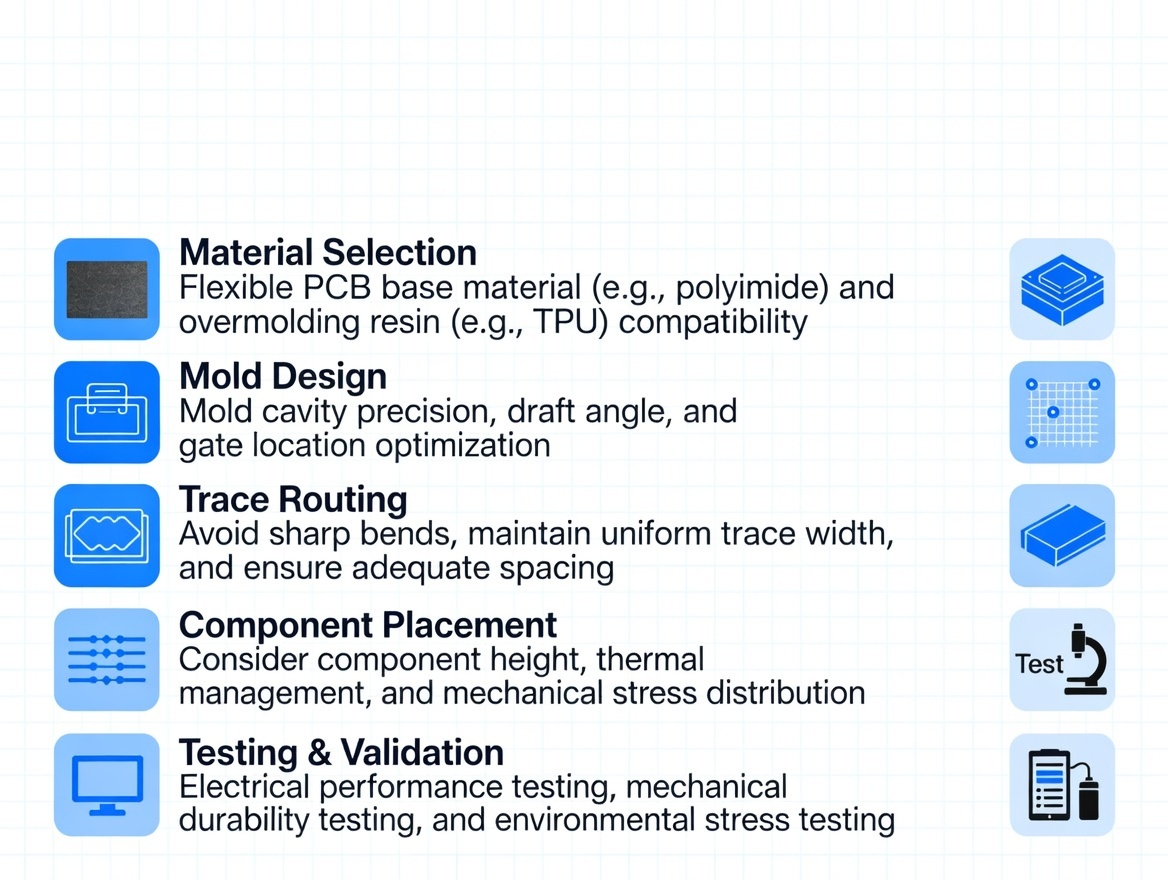
Key Design Factors for Successful Overmolded Flex PCB Products
Designing a reliable overmolded flexible circuit requires careful attention to several engineering factors.
First, engineers must define clear separation between molded and exposed areas of the circuit. Connectors, test points, and antenna structures may need to remain uncovered to maintain functionality.
Second, proper strain relief design is essential. Overmolding should reinforce cable exit points and prevent mechanical stress from concentrating on fragile copper traces.
Third, thermal expansion compatibility between the molding material and PCB substrate must be considered to avoid long-term reliability issues.
Fourth, designers should evaluate manufacturability early in the design process. Working closely with experienced PCB and molding manufacturers helps avoid costly redesigns later in development.
FAQ: Flexible PCB Overmolding
What is FPCB overmolding?
FPCB overmolding is a manufacturing process where a flexible circuit is encapsulated using injection-molded plastic to protect it from mechanical and environmental damage.
Why use overmolding instead of conformal coating?
Overmolding provides stronger mechanical protection and environmental sealing compared with thin protective coatings.
What industries use overmolded flexible circuits?
Automotive electronics, medical devices, aerospace systems, and consumer electronics commonly use this technology.
Why BESTFPC Is a Reliable Partner for FPCB Overmolding Projects
For companies developing advanced electronic modules, selecting an experienced PCB supplier is essential. BESTFPC provides comprehensive solutions for flexible circuits and rigid-flex PCBs, supporting customers from prototype development to mass production.
Key capabilities include:
- flexible PCB manufacturing
- rigid-flex PCB fabrication
- multilayer HDI technology
- strict quality inspection processes
Recommended internal links for SEO:
- Flexible PCB Manufacturing
- Rigid-Flex PCB Solutions
- HDI PCB Technology Guide
By combining advanced PCB manufacturing expertise with strong engineering support, BESTFPC helps companies develop reliable overmolded electronic products for demanding applications.
Conclusion
FPCB overmolding technology has become an essential solution for protecting flexible circuits in modern electronic products. By encapsulating the circuit within a molded structure, manufacturers can significantly improve mechanical durability, environmental resistance, and design integration.
As the UK electronics industry continues to innovate in automotive, medical, and consumer technologies, the demand for high-reliability flexible circuits will continue to grow. Partnering with experienced manufacturers such as BESTFPC ensures that overmolded PCB solutions meet both performance and production requirements.


.png)
.png)
.png)
.png)

.png)