


 2026-04-13
 BEST
BESTBio-compatible FPC for Implantable Devices
Complete Canada Market Guide for Advanced Medical Electronics
Master biocompatible flexible PCB technology for implantable medical devices in Canada. Learn FPC biocompatibility standards, material selection, design requirements, regulatory compliance, and supplier selection criteria for Canadian medical device manufacturers, biomedical engineers, and procurement teams developing next-generation implantable electronics.
Table of Contents
- Introduction: Biocompatible FPC in Medical Implants
- Biocompatible FPC Fundamentals
- Biocompatibility Standards and Requirements
- Material Selection for Implantable FPC
- Design Requirements for Implantable Devices
- Canada Medical Device Market and Applications
- Regulatory Compliance and Certifications
- Critical Supplier Selection Criteria for Canadian Engineers
- Why Choose BESTFPC for Biocompatible FPC Solutions?
- Frequently Asked Questions (FAQ)
Introduction: Biocompatible FPC in Medical Implants
Implantable medical devices represent one of the most critical and rapidly growing segments of the medical technology industry. From pacemakers and neurostimulators to drug delivery systems and biosensors, implantable devices directly interface with the human body and must meet the highest standards of biocompatibility, reliability, and performance. Canada's medical device market, valued at approximately $7.8 billion and ranked 8th globally, is home to over 2,000 companies developing innovative medical technologies.
At the heart of modern implantable devices lies sophisticated electronics—and biocompatible flexible printed circuits (FPC) are becoming essential to device miniaturization, performance, and reliability. Unlike traditional rigid PCBs, biocompatible FPCs conform to the complex geometry of implanted devices, enable dense sensor integration, minimize device profile, and provide superior reliability in the challenging biological environment.
This comprehensive guide explores biocompatible FPC technology for implantable medical devices, material selection, biocompatibility standards, design requirements, regulatory compliance, and supplier selection criteria specifically tailored to Canada's medical device industry. Whether you're developing cardiac pacemakers, neurostimulators, cochlear implants, or advanced biosensors, understanding biocompatible FPC technology is critical to achieving clinical success, regulatory approval, and market competitiveness. BESTFPC brings 19 years of specialized FPC manufacturing experience, including advanced biocompatible solutions optimized for Canadian medical device applications.
Biocompatible FPC Fundamentals
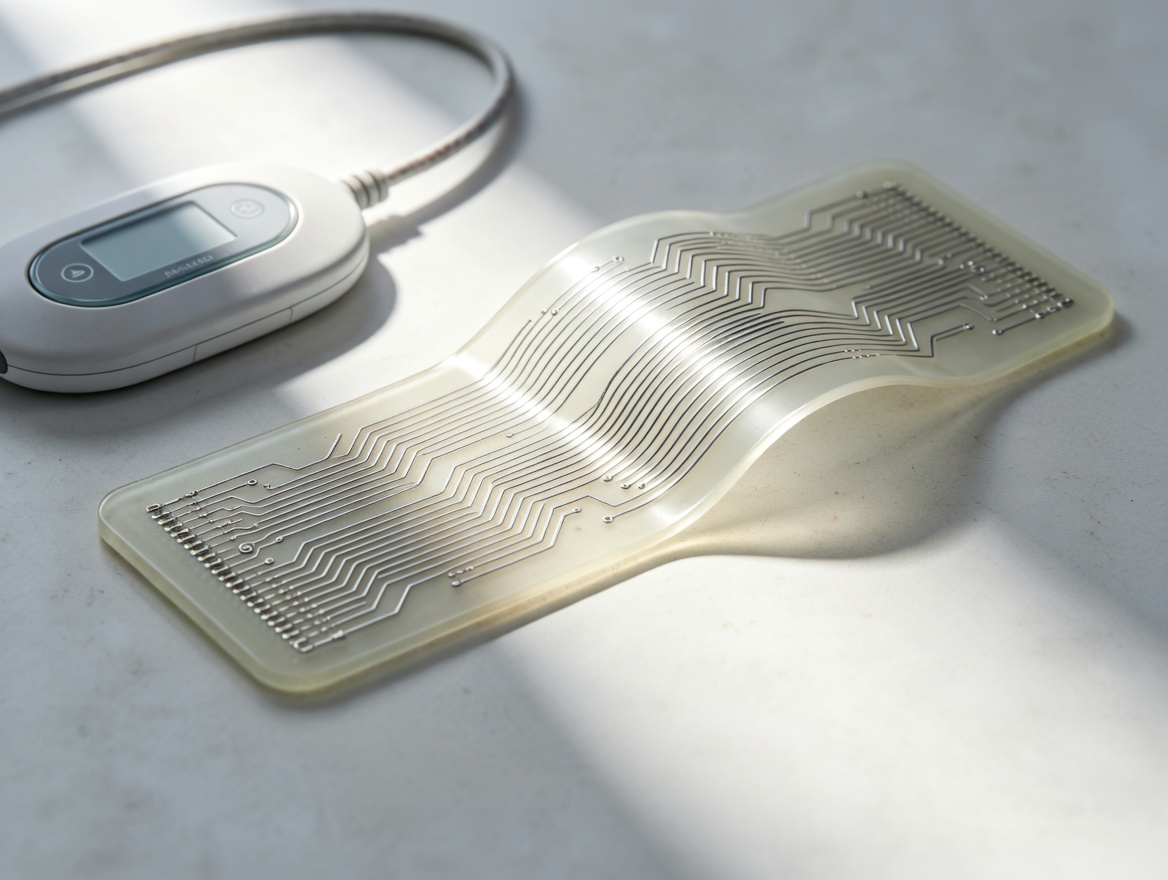
Biocompatible FPCs for implantable devices must combine electrical performance, biocompatibility, mechanical reliability, and long-term stability in the biological environment. Understanding FPC fundamentals is essential for optimizing device design and achieving superior clinical outcomes.
Key biocompatible FPC characteristics:
• Biocompatibility: Materials and manufacturing processes must meet ISO 10993 biocompatibility standards, ensuring safe long-term contact with tissue. Polyimide and LCP are preferred substrates for implantable applications.
• Electrical Performance: Low-noise design and high signal integrity enable accurate sensor measurements and reliable device operation. Trace impedance control and shielding minimize electromagnetic interference.
• Mechanical Flexibility: Polyimide substrate and stress-relief design enable reliable performance under mechanical stress and body movement. >100,000 flex cycles typical durability.
• Long-term Stability: Materials must maintain electrical and mechanical properties over device lifetime (5-10+ years). Accelerated aging testing validates long-term reliability.
• Miniaturization: Advanced FPC design enables ultra-compact device profiles, improving patient comfort and surgical implantation.
• Biocompatible Coating: Specialized coatings (parylene, silicone) provide additional biocompatibility and moisture barrier protection.
Material selection for biocompatible FPC: Polyimide (PI) is the standard substrate material for implantable applications, offering excellent biocompatibility, thermal stability, and mechanical properties. Liquid Crystal Polymer (LCP) is increasingly used for high-frequency applications and superior moisture resistance. Copper thickness typically ranges from 0.5 oz to 1 oz for implantable applications, balancing electrical performance with device profile minimization.
Biocompatibility Standards and Requirements
Biocompatibility is the cornerstone of implantable device safety and regulatory approval. Comprehensive biocompatibility evaluation ensures that FPC materials and manufacturing processes do not cause adverse biological reactions or long-term tissue damage.
ISO 10993 Biocompatibility Framework
Material Testing · Biological Evaluation · Risk Assessment
ISO 10993-1 provides the framework for biocompatibility evaluation of medical devices. The standard requires evaluation based on device contact type (surface, external communicating, implant), contact duration (temporary, short-term, long-term), and contact location (skin, mucous membrane, tissue, bone, blood).
Key biocompatibility tests: Cytotoxicity (cell culture testing), sensitization (skin sensitization testing), irritation (tissue irritation testing), acute systemic toxicity (animal testing), subacute/subchronic toxicity (long-term animal testing), genotoxicity (genetic damage testing), implantation (tissue response testing).
For implantable FPCs, comprehensive biocompatibility evaluation is required, including long-term implantation studies to assess tissue response and material degradation over the device lifetime.
Biocompatibility compliance strategy: BESTFPC maintains ISO 10993 compliance through rigorous material selection, manufacturing process validation, and third-party biocompatibility testing. We work with accredited biocompatibility testing laboratories to ensure FPCs meet all regulatory requirements for implantable applications.
Material Selection for Implantable FPC
Material selection is critical for biocompatible FPC performance and long-term reliability. Different materials offer distinct advantages for specific implantable applications.
| Material | Biocompatibility | Thermal Stability | Moisture Resistance | Typical Applications |
|---|---|---|---|---|
| Polyimide (PI) | Excellent | -40 to +130°C | Good | Pacemakers, neurostimulators, sensors |
| Liquid Crystal Polymer (LCP) | Excellent | -40 to +150°C | Excellent | High-frequency implants, long-term devices |
| PEEK (Polyetheretherketone) | Excellent | -40 to +150°C | Excellent | High-performance implants, orthopedic devices |
| Parylene Coating | Excellent | -50 to +120°C | Excellent | Additional biocompatibility layer |
Adhesive Selection for Biocompatible FPC
Adhesives used in FPC manufacturing must also meet biocompatibility requirements. Acrylic and epoxy adhesives are commonly used, but material selection depends on specific biocompatibility requirements and device application. Adhesive-free construction (thermoplastic bonding) is increasingly used for maximum biocompatibility.
Copper and Coating Materials
Copper traces must be protected from corrosion in the biological environment. Electroless nickel immersion gold (ENIG) plating is the standard finish for implantable FPCs, providing excellent corrosion resistance and biocompatibility. Solder mask materials must also meet biocompatibility requirements, with specialized medical-grade solder masks available.
Design Requirements for Implantable Devices
Implantable FPC design must address unique challenges: miniaturization, reliability in harsh biological environments, long-term stability, and compliance with medical device standards. Here are critical design considerations:
Miniaturization
Implantable devices must be as small as possible to minimize surgical trauma and patient discomfort. FPC design optimizes trace routing and component placement to achieve minimal device profile.
Mechanical Reliability
Implanted devices experience mechanical stress from body movement, muscle contraction, and tissue growth. FPC design includes stress-relief features and mechanical testing to ensure long-term reliability.
Signal Integrity
Implanted sensors must maintain measurement accuracy in the presence of electromagnetic noise from body tissues and external sources. Careful trace routing and shielding minimize noise.
Power Efficiency
Implantable devices are often battery-powered with limited energy budgets. FPC design minimizes power consumption through low-resistance traces and efficient circuit design.
Hermetic Sealing
Implantable devices must be hermetically sealed to prevent body fluid ingress. FPC edge sealing and encapsulation are critical for long-term reliability.
Biocompatibility Validation
All materials and processes must be validated for biocompatibility. Comprehensive testing ensures safe long-term implantation without adverse biological reactions.
Canada Medical Device Market and Applications
Canada's medical device market is experiencing rapid growth, driven by aging population demographics, increasing prevalence of chronic diseases, government healthcare investments, and strong innovation ecosystem. Understanding Canada's specific market dynamics and implantable device applications is essential for developing competitive products.
Canada Implantable Device Market Overview
Market Size & Growth: Canada's implantable devices market is projected to grow from USD 102.4 billion in 2025 to USD 178.9 billion by 2031, at a CAGR of 9.6%. The market is driven by increasing demand for advanced cardiac devices, neurostimulation systems, orthopedic implants, and drug delivery systems.
Major Application Categories: (1) Cardiac devices (pacemakers, ICDs, CRT systems) - largest segment; (2) Neurostimulation (spinal cord stimulators, deep brain stimulation); (3) Orthopedic implants; (4) Drug delivery systems; (5) Biosensors and monitoring devices.
Key Market Drivers: Aging population (65+ demographic growing rapidly), chronic disease prevalence, government healthcare funding, strong medical device manufacturing ecosystem, proximity to US market, and regulatory alignment with FDA standards.
Canadian Medical Device Manufacturers: Major companies like Medtronic, Abbott, Boston Scientific, and Biotronik have significant Canadian operations. Numerous Canadian companies specialize in innovative medical devices, creating strong demand for advanced biocompatible FPC solutions.
Regulatory Compliance and Certifications
Implantable medical devices in Canada are regulated by Health Canada's Medical Devices Directorate (MDD) and Biologic and Radiopharmaceutical Drugs Directorate (BRDD). Regulatory compliance is essential for market access and device approval.
Key Regulatory Requirements for Implantable FPC
Health Canada Approval: Implantable devices require Health Canada approval before market launch. Approval process includes biocompatibility evaluation, safety testing, and clinical data review.
ISO 13485 (Medical Device Quality Management): Manufacturers must maintain ISO 13485 certification to ensure consistent quality and regulatory compliance.
ISO 10993 (Biocompatibility): Comprehensive biocompatibility evaluation is required for all implantable devices and materials.
IEC 60601 (Electrical Safety): Implantable devices must meet electrical safety standards to prevent patient harm.
FDA Alignment: Many Canadian devices are also approved by FDA, requiring compliance with US regulatory requirements.
Compliance Strategy: BESTFPC maintains ISO 13485 and ISO 10993 compliance, ensuring biocompatible FPCs meet Canadian regulatory requirements. We work closely with device manufacturers to support regulatory submissions and maintain compliance throughout device lifecycle.
Critical Supplier Selection Criteria for Canadian Engineers and Procurement Teams
Selecting the right biocompatible FPC supplier is critical to implantable device success. A supplier's capabilities directly impact device performance, biocompatibility, regulatory approval, and time-to-market. Here are the critical decision factors that Canadian medical device engineers and procurement teams evaluate:
Key Supplier Evaluation Criteria
1. Biocompatibility Expertise: Does the supplier have deep expertise in biocompatible FPC design and material selection? Can they guide material choices for your specific implantable application? Biocompatibility expertise is non-negotiable for implantable devices.
2. Regulatory Compliance: Does the supplier maintain ISO 13485 and ISO 10993 compliance? Can they provide biocompatibility documentation and support regulatory submissions? Regulatory compliance is essential for market access.
3. Biocompatibility Testing: Does the supplier have access to accredited biocompatibility testing laboratories? Can they conduct comprehensive testing to support regulatory approval? Third-party testing validation is critical.
4. Material Traceability: Can the supplier provide complete material traceability and documentation? Are all materials certified for medical device applications? Traceability is essential for regulatory compliance and quality assurance.
5. Design Optimization: Does the supplier provide design consultation to optimize miniaturization, reliability, and biocompatibility? Can they recommend optimal design approaches for your specific device? Design expertise accelerates development.
6. Manufacturing Scale: Can the supplier scale from prototypes to commercial production? Does their manufacturing capacity match your growth plans? Scalability ensures consistent supply and cost optimization.
7. Long-term Partnership: Is the supplier committed to long-term partnership and continuous improvement? Do they provide ongoing technical support and process optimization? Long-term partnership ensures device success.
Red flags to watch for: Suppliers unwilling to discuss biocompatibility requirements, lack of ISO 13485 or ISO 10993 compliance, inability to provide material documentation, or poor quality control are warning signs. Choosing an inappropriate supplier can result in biocompatibility issues, regulatory delays, or device failures.
Why Choose BESTFPC for Biocompatible FPC Solutions?
BESTFPC brings 19 years of specialized flexible PCB manufacturing experience, including advanced biocompatible solutions specifically designed for implantable medical device applications. Our biocompatible FPC capabilities combine technical expertise, biocompatibility excellence, rigorous quality assurance, and proven reliability in demanding medical applications.
BESTFPC's commitment to biocompatible FPC excellence is demonstrated through continuous innovation, investment in advanced manufacturing equipment, close collaboration with Canadian medical device companies, and proven track record delivering reliable biocompatible solutions for leading medical device manufacturers worldwide.
Frequently Asked Questions (FAQ) About Biocompatible FPC for Implantable Devices
Below are answers to the most frequently asked questions about biocompatible FPC technology, design, and supplier selection.
Partner with BESTFPC for Biocompatible FPC Solutions
Develop next-generation implantable medical devices with BESTFPC's advanced biocompatible FPC solutions, Canada market expertise, and commitment to medical device excellence.


.png)
.png)
.png)
.png)

.png)