


 2026-01-19
 BEST
BEST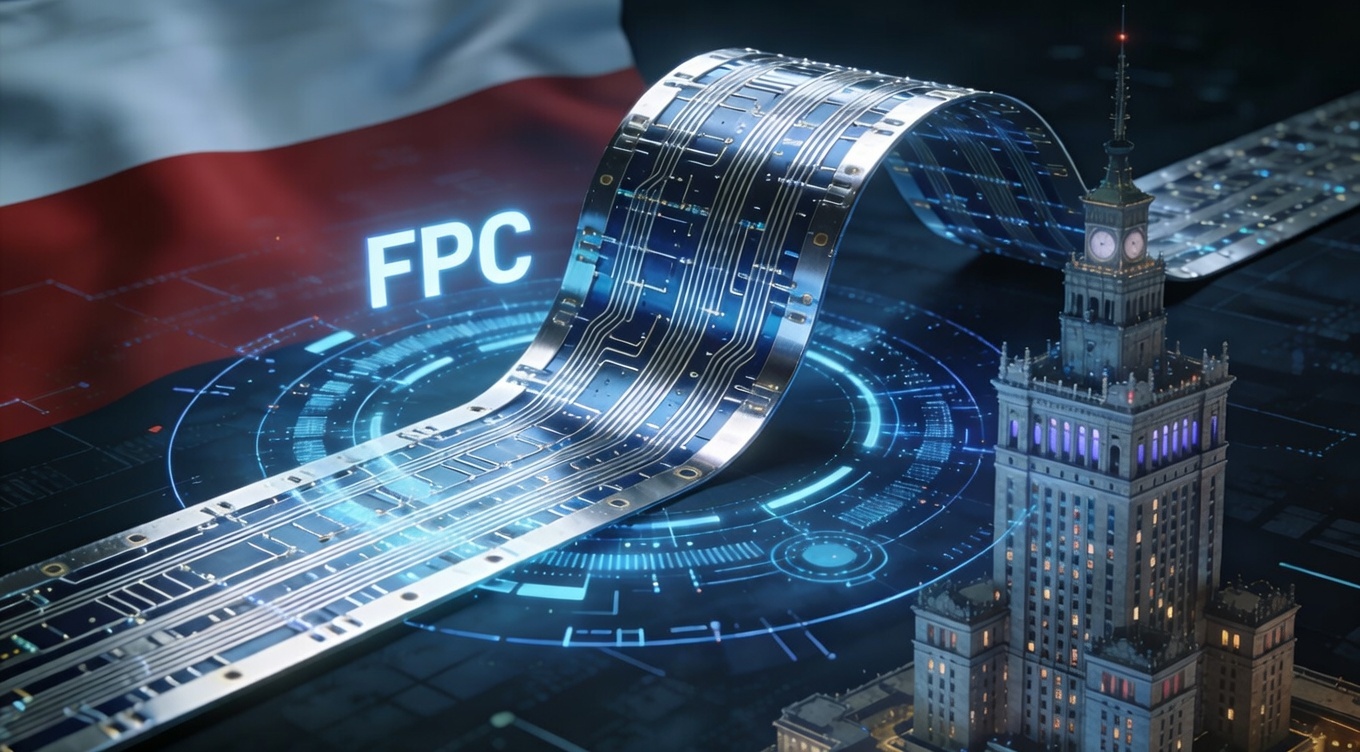
The Poland flexible printed circuit board (FPC) market is gaining traction as European manufacturers seek high-performance, lightweight, and space-saving interconnect solutions for modern electronics. Poland’s strategic location within the EU and growing electronics manufacturing base make it a compelling market for FPC suppliers that support advanced design, prototyping, and production solutions.
Flexible PCBs are becoming indispensable across a broad range of applications because they provide superior design flexibility compared to traditional rigid PCBs, making them ideal for miniaturized and dynamic devices.
Table 1: FPC Demand Drivers in Poland (2025 Forecast)
Driver Growth Indicator Application Sector Consumer Elec. Miniaturization +8.5% CAGR Phones, Wearables Automotive Electronics +7.1% CAGR EVs, Sensors Medical Devices & Automation +9.2% CAGR Diagnostic/Industrial (Note: projected based on European PCB market trends)
Understanding Flexible Printed Circuit Boards (FPC): Benefits & Market Demand
Flexible Printed Circuit Boards (FPCs) are printed electronic circuits built on flexible substrates like polyimide or PET — enabling bending, folding, and compact integration that rigid PCBs cannot achieve.
Why FPCs Are Critical Now
- Miniaturization & Space Constraints: FPCs allow designers to fit complex circuits into space-limited designs like foldable devices and compact wearables.
- Improved Reliability: Eliminates dense wiring harnesses, reducing assembly complexity.
- High Signal Integrity: Suitable for advanced RF and high-speed electronics.
Table 2: FPC vs Rigid PCB Comparison
Feature FPC Rigid PCB Flexibility ✔️ ❌ Weight Light Heavier Assembly Complexity Low Medium Ideal Applications Wearables, Robotics Standard boards
Global FPC market projections show robust growth; by 2032, flexible PCB market valuation could expand significantly with strong CAGR, reflecting broad adoption across tech sectors.
Poland’s FPC Manufacturing Landscape & Key Players
Local Manufacturers & Industry Capabilities
While Poland’s domestic FPC manufacturing base is still evolving compared to Asia, several companies contribute to the broader PCB ecosystem:
- PCB Service Sp. z o.o. – PCB manufacturing and non-destructive testing equipment support local PCB supply chains.
- PRINTOR – Offers PCB production plus testing and assembly services to meet varied customer needs.
Polish PCB sector players often focus on rigid and conventional PCBs, with some capability in flex and rigid-flex boards via partnerships or European contracts, rather than extensive in-house FPC manufacturing.
European FPC Suppliers & Market Connections
Because Poland is part of the European manufacturing ecosystem, many European PCB suppliers serve the FPC demand across EU markets, including medical, industrial, and automotive segments, often with local distribution or contract production partnerships.
Poland’s Electronics Industry & FPC Demand Drivers
Poland’s electronics manufacturing sector spans from consumer devices to industrial automation, creating increasing demand for FPC solutions that deliver weight savings, flexibility, and design density. A growing automotive and e-mobility market is particularly influential for advanced FPC uses (sensors, battery management systems, etc.).
Core Application Sectors for FPCs in Poland
FPCs are widely adopted across industries where compact and reliable circuitry is crucial.
Consumer Electronics & Communication Devices
FPCs enable lightweight and compact designs for phones, wearables, and IoT devices. Their ability to bend and integrate into tight spaces helps product designers meet modern expectations.
Table 3: FPC Use Cases – Consumer Electronics
Product Core Requirement FPC Benefit Foldable Phone Flexible interconnects Reduced connectors Smartwatch Small size & durability Multi-layer FPC
Automotive & E-Mobility Electronics
Electric vehicles and automotive subsystems increasingly adopt flexible circuits for battery management, sensors, and infotainment due to their weight and space advantages. This trend extends to European OEM collaborations.
Medical & Industrial Automation Devices
Medical devices (portable scanners, diagnostic equipment) and automation systems utilize FPCs for their reliability and design flexibility, especially in dynamic environments such as wearable health monitors and robotics.
Choosing the Right FPC Manufacturer: Key Considerations
When selecting an FPC manufacturer for Poland-targeted projects, businesses should evaluate:
| Criteria | Why It Matters | Impact |
|---|---|---|
| Manufacturing Capability | Multi-layer, HDI, rigid-flex options | More design options |
| Compliance & Quality | IPC, ISO standards | Reliability & safety |
| Turnaround Time | Rapid prototyping | Faster development |
| Price & MOQ | Small batch pricing | Suitable for SMEs |
Choosing a partner like BestFPC ensures you benefit from global manufacturing resources + localized support, ideal for designers needing technical feedback, rapid quotes, and reliable delivery.
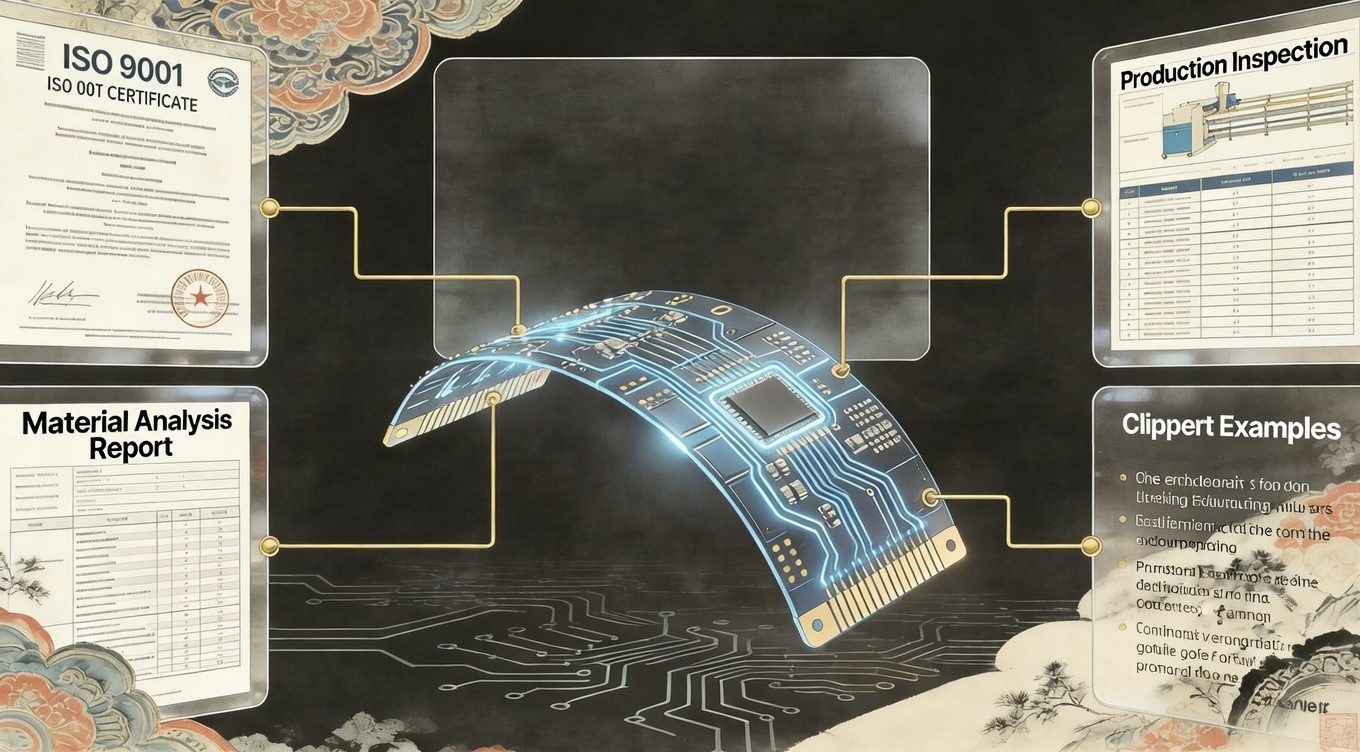
How BestFPC Aligns With Poland’s FPC Market Needs
As the demand for flexible circuits rises in Poland’s tech markets, companies require partners capable of high-quality, customized FPC solutions with competitive pricing and fast delivery:
- Customized Solutions for Multiple Industries: BestFPC supports consumer electronics, medical devices, automotive electronics and more.
- Engineering Expertise: From design review to advanced production process consultation.
- Scalable Production: From prototypes to volume runs, fitting diverse project budgets and schedules.
This blend of technical depth, small batch agility, and global logistics makes BestFPC a strong choice for Poland-focused electronics innovators.


.png)
.png)
.png)
.png)

.png)