


 2026-01-16
 BEST
BESTIsrael’s electronics and advanced systems sectors are rapidly adopting rigid flex printed circuit boards as pivotal components in next-generation products. From aerospace and defense electronics to robotics, medical instrumentation, and communication technologies, rigid flex PCBs offer designers unparalleled performance, reliability and form factor freedom — qualities that align with Israel’s innovation-driven economy.
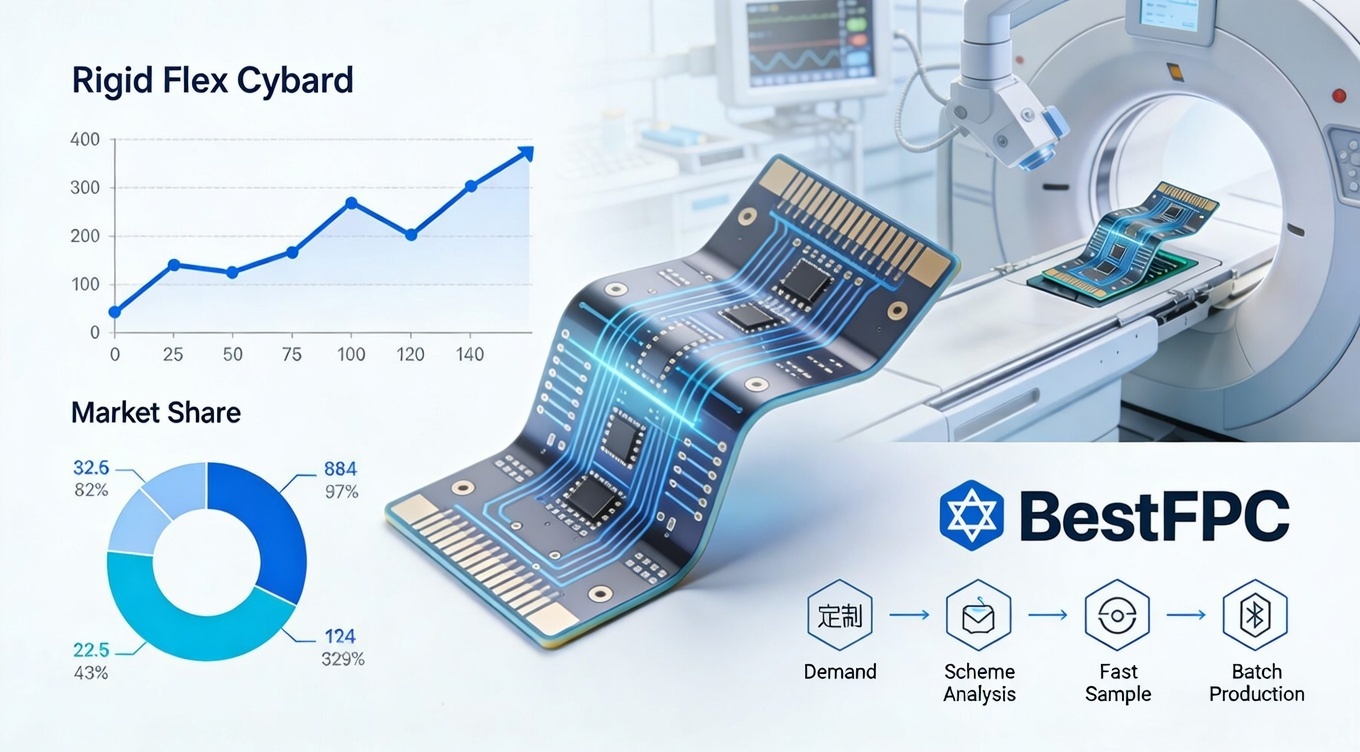
According to the WECC Global PCB Production Report, rigid flex boards represent a significant share of manufacturing categories in the Middle East & Africa region — with Israel included — illustrating their growing importance in modern PCB demand.
What Are Rigid Flex PCBs? (Definition & Core Benefits)
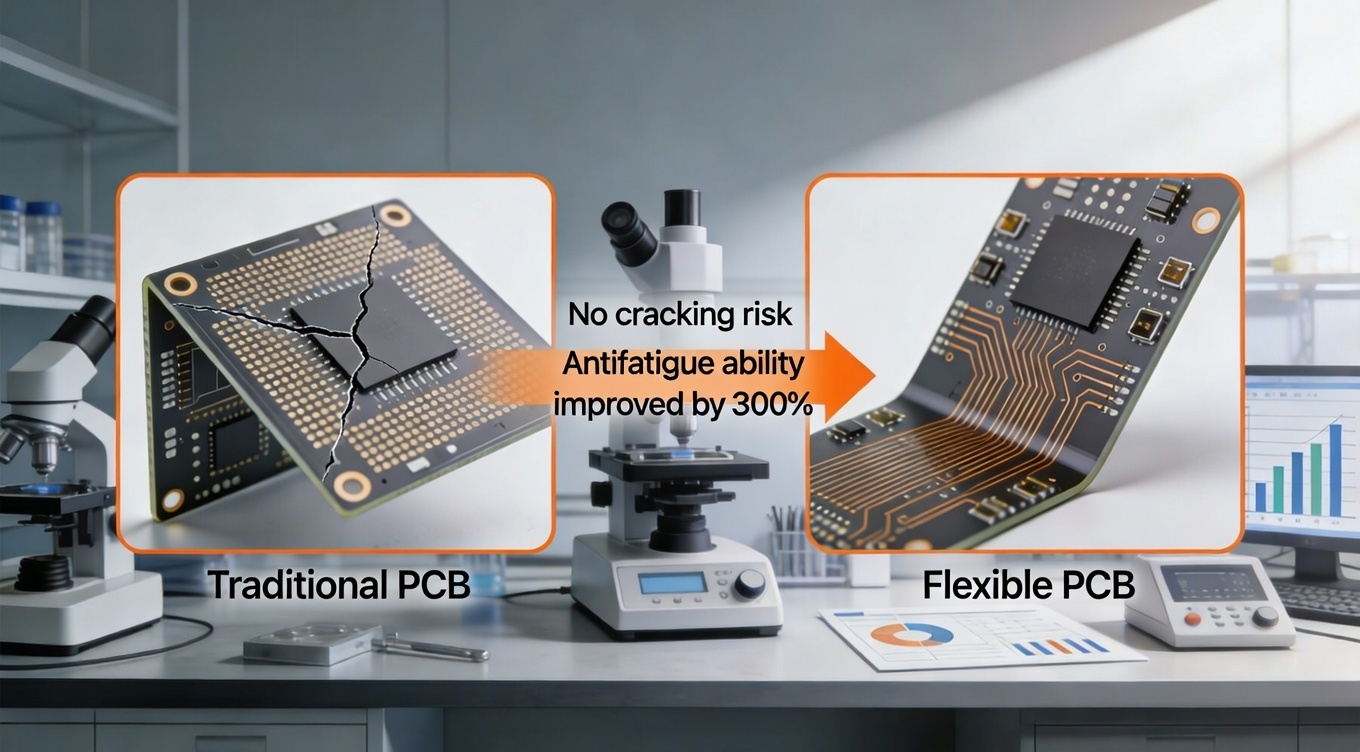
Rigid flex PCBs combine the strengths of both rigid and flexible circuit technologies into a single board architecture. Unlike traditional rigid or flex boards alone, rigid flex integrates hard and pliable sections to optimize design flexibility and reliability.
This hybrid architecture lets designers produce 3D folding configurations and compact layouts that were previously impossible — eliminating bulky connectors while maintaining structural support for component mounting.
Why Rigid Flex Boards Are Critical for Israel’s High-Tech Industries
Israel’s tech ecosystem is anchored in advanced electronic systems where performance, miniaturization and reliability are paramount. Rigid flex PCBs are key enablers across multiple sectors:
Aerospace & Defense Sector Needs
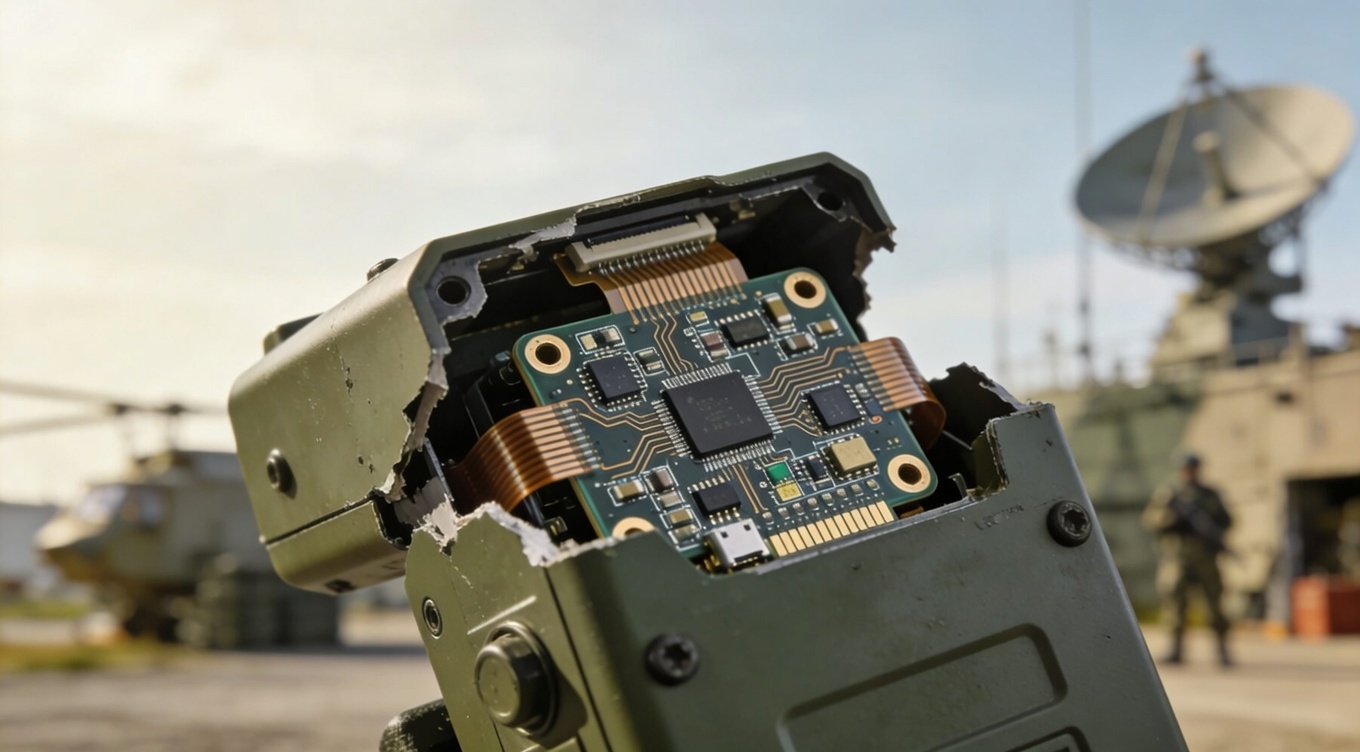
Rigid flex PCBs are widely used in aerospace and defense electronics because they sustain high vibration, shock and temperature cycles — a necessity for both flight avionics and rugged field equipment.
Robotics & Automation Growth
As Israeli industry increasingly embraces automation and robotics — from manufacturing systems to advanced logistics solutions — rigid flex PCBs support compact electromechanical integration and reliable motion systems.
Medical Devices & Wearables
Medical instrumentation and wearables demand compact boards with high reliability. Rigid flex designs deliver consistent electrical performance while enabling ergonomic and space-efficient device architectures.
Consumer & Communication Electronics
Smart communication devices and compact computing platforms benefit from rigid flex’s ability to reduce connector counts and cable harness complexity — a performance and assembly advantage.
Key Performance Advantages of Rigid Flex PCBs (Design + Reliability)
Space & Weight Savings
Rigid flex boards remove the need for interconnect cables and bulky connectors, significantly reducing overall device size and weight — a critical benefit for portable systems and aerospace electronics.
Electrical & Signal Integrity Benefits
By integrating rigid and flexible sections into one continuous structure, rigid flex designs improve signal integrity and reduce parasitic losses — a major advantage in high-frequency or communications applications.
Reliability in Harsh Environments
Rigid flex PCBs withstand thermal cycling, mechanical stress and vibration — attributes that align closely with the needs of defense systems, UAV electronics and industrial automation.
Design & Manufacturing Considerations for Israel Market
Material Selection & Stack-Up Optimization
Selecting the right combination of rigid substrate (e.g., FR-4, high-TG laminates) and flexible films (polyimide) ensures reliable performance across operating temperature ranges and mechanical stresses.
Thermal, Vibration & Environmental Challenges
For high-reliability applications typical in Israel’s aerospace and defense sectors, engineering teams must account for rigorous environmental testing and thermal management strategies.
Compliance with Industry Standards
Products must adhere to international standards — such as IPC Class II/III or MIL-STD benchmarks — to meet performance and safety expectations in mission-critical applications.
BestFPC: Your Rigid Flex PCB Partner for Israel Success
Custom Prototyping & Small Batch Expertise
BestFPC specializes in custom rigid flex PCB prototyping, small batch runs, and iterative design support — ideal for Israeli innovators who require responsive development cycles.
High-Precision Manufacturing & QC
Our production lines incorporate strict quality control, ensuring consistent layer alignment, microvia precision and overall board reliability for advanced rigid flex builds.
Speed, Support & Global Logistics
With international shipping and support infrastructure, BestFPC supports Israel clients with expedited production schedules and proactive customer service.
Real-World Case Insights (Defense & UAV Applications)
In systems like UAV flight controllers — common in Israel’s defense and commercial sectors — rigid flex PCBs enable compact mounting of IMUs, processors, and sensor networks while resisting vibration and temperature stress.
Israeli defense electronics prioritize high-frequency signal integrity with strict EMI/RFI constraints — further demonstrating rigid flex PCBs’ value in these environments.
Future Outlook: Israel & Global Rigid Flex PCB Trends
Market forecasts show significant global growth for rigid flex technology as electronics miniaturize, mobility increases, and high-reliability systems expand — a trend mirrored in Israel’s high-tech landscape.
This expanding demand signals opportunity for manufacturers who can deliver precision, quality and agile production services.
FAQs on Rigid Flex PCB for Israel Clients
Q1: What makes rigid flex better than separate rigid + flex boards?
A: Integrated architecture reduces connectors, improves reliability, and enables 3D designs.
Q2: Can BestFPC handle complex stack-ups and microvia designs?
A: Yes — our processes support advanced HDI and multilayer rigid flex designs.
Q3: What lead times can Israel customers expect?
A: Typical prototyping cycles range from rapid turnaround to small batch production schedules.


.png)
.png)
.png)
.png)

.png)