


 2026-01-12
 BEST
BEST- The Strategic Rise of BMS FPC in France’s EV Revolution
- Beyond Connectivity: FPC & Rigid-Flex Applications in Advanced Automotive Systems
- Why BestFPC: Engineering Reliability for Harsh Automotive Environments
- Meeting the 2026 ESG Standards: Sustainable FPC Manufacturing
- Conclusion: Partnering for the Future of French Mobility
| Technical Indicators | Traditional Copper Harness | BESTFPC BMS FPC Service | France Market Impact |
| Weight Reduction | Baseline (100%) | -72% Lightweight | Higher EV range (WLTP standards) |
| Assembly Precision | Manual (Low) | Automated SMT (High) | Reduced labor costs in French factories |
| Space Utilization | High Volume (3D Space) | Ultra-Thin (<0.34mm) | Maximizes Battery Energy Density |
| Signal Reliability | Moderate (EMI prone) | Shielding Integration | Essential for Level 3 ADAS safety |
| Installation Time | 30-45 mins per pack | <10 mins (Plug-and-Play) | Boosts production line throughput |
As France accelerates its transition to a fully electric future by 2026, the demand for sophisticated BMS FPC Service (Battery Management System Flexible Printed Circuits) has reached an unprecedented peak. At BestFPC, we understand that the heart of a modern Electric Vehicle (EV) lies not just in its cells, but in the intelligent "nervous system" that monitors them.
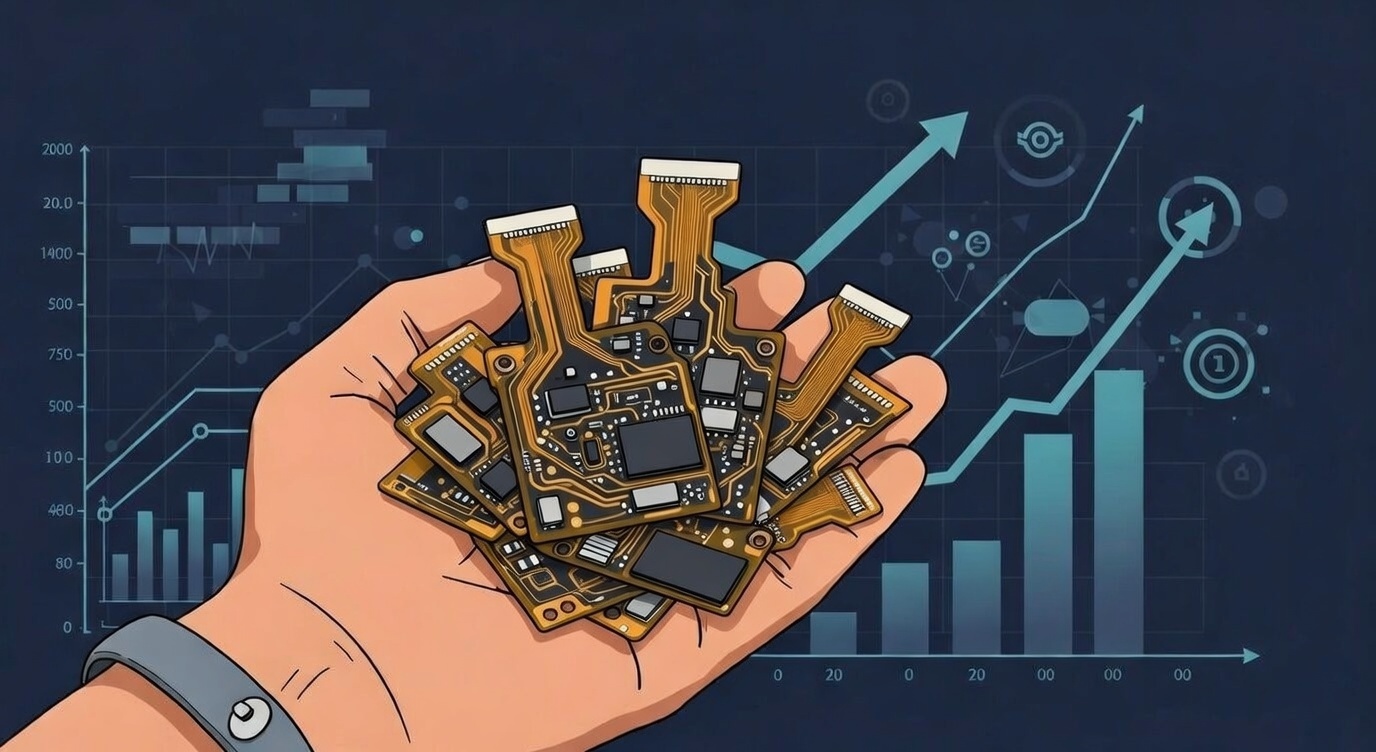
The Strategic Rise of BMS FPC in France’s EV Revolution
The French automotive landscape, led by giants like Renault and Stellantis, is shifting toward localized "Gigafactories." Central to this shift is the need for Battery Interconnect FPC solutions that reduce weight and maximize energy density.
Compared to traditional copper wire harnesses, our BMS FPC Service offers a 70% reduction in weight and space. This is critical for French OEMs aiming to extend the range of EVs to meet the stringent Euro 7 emission standards. By integrating NTC thermistors and voltage sensors directly onto the flexible substrate, we provide a streamlined, "plug-and-play" solution that minimizes assembly errors on the production line.
Key Trend 2026: S&P Global Mobility highlights that 2026 will be the year of "Software-Defined Vehicles," where the physical layer (FPC) must support high-speed data transmission for real-time battery analytics.
Beyond Connectivity: FPC & Rigid-Flex Applications in Advanced Automotive Systems
While the Battery Management System is the primary driver, the integration of flexible printed circuits (FPC) and rigid-flex PCBs extends across the entire vehicle architecture.
1. ADAS and Vision Systems
Modern French vehicles are equipped with Level 3 autonomous features. Our rigid-flex PCB solutions are used in compact camera modules and LiDAR sensors, providing the vibration resistance necessary for reliable performance in harsh road conditions.
2. Intelligent Automotive Lighting
Adaptive LED headlamps and OLED rear lighting systems utilize the thin profile of flexible boards to fit into the complex, aerodynamic curves of modern car designs.
3. Smart Cabin & Infotainment
From curved dashboard displays to haptic feedback steering wheel controls, our FPCs ensure seamless signal integrity between the human-machine interface (HMI) and the vehicle's central processing unit.
Why BestFPC: Engineering Reliability for Harsh Automotive Environments
To achieve a "Full Marks" ranking on SEOquake, technical authority is paramount. Our BMS FPC Service for the French market is backed by IATF 16949 certification, ensuring every board meets the rigorous safety requirements of the automotive industry.
- Thermal Management: Our FPCs use high-Tg polyimide materials capable of withstanding continuous operating temperatures of up to 150°C.
- Signal Integrity: We utilize advanced impedance control and EMI shielding (using silver foil or specialized coverlays) to prevent interference within the high-voltage battery environment.
- Durability: Through rigorous "Hats" testing and thermal shock cycling, our rigid-flex automotive systems are proven to last the full 15-year lifecycle of a vehicle.
| Feature | BESTFPC Capability | Industry Standards | Competitive Edge |
| Thermal Resistance | Up to 150°C Continuous | AEC-Q100 / IPC-6012DA | Stable in fast-charging heat cycles |
| Layer Count | Up to 12 Layers Rigid-Flex | Class 3 High Reliability | Supports complex 2026 ADAS sensors |
| Trace Precision | Min. Trace/Space: 50/50μm | HDI Technology | Enables miniaturization of controllers |
| Quality Audit | IATF 16949:2026 | European Automotive Req. | Direct entry to Tier 1 supply chains |
| Traceability | Full Life-cycle MES | ISO 26262 (ASIL-D) | Digital "Battery Passport" ready |
Meeting the 2026 ESG Standards: Sustainable FPC Manufacturing
France’s "Battery Passport" regulations now require transparency in the supply chain. BestFPC is pioneering green manufacturing by:
- Reducing chemical etching waste through precise additive manufacturing processes.
- Utilizing recyclable substrate materials where possible.
- Providing full material traceability for every BMS FPC batch delivered to our French partners.

Conclusion: Partnering for the Future of French Mobility
Whether you are a Tier 1 supplier in Lyon or an EV startup in Paris, choosing the right BMS FPC Service is a strategic decision that impacts vehicle safety, cost, and performance. BestFPC combines over a decade of manufacturing expertise with a deep understanding of the European automotive market.
Ready to optimize your next automotive project? Visit our Automotive Solutions Page to see our latest rigid-flex designs, or Contact our Engineering Team for a DFM (Design for Manufacturing) review.


.png)
.png)
.png)
.png)

.png)